

Best Cat Beds for Cold Floors: Warmth for Tile & Hardwood Winters
Cats are heat-seeking creatures. They find the sun patch, the laptop, the fresh laundry, and the warmest spot in the house with unerring precision — and in winter, the floor they walk on works against them. Cold air sinks, tile and hardwood drain heat from the body, and a cat that sleeps twelve to sixteen hours a day at floor level spends the season losing warmth to the surface beneath it. A bed that sits on that same cold floor can either fight the problem or become part of it. In this guide, we'll cover why cold floors are a winter problem for indoor cats, the features that make a floor-level bed genuinely warm, the styles that suit a cat's sleeping habits, and how to place and care for the bed through the season.
This guide complements the dog-focused version of the same problem in our cold floors guide, and it draws on the cat-specific winter work we've done before: the overall winter warm cat bed guide, the temperature thresholds in how cold is too cold for cats indoors, and the extra-warmth setup in best warm cat beds for winter. If you're unsure whether your cat is actually uncomfortable, the signs an indoor cat is too cold is the place to start.
Why Cold Floors Are a Winter Problem for Cats
Floors are the coldest horizontal surface in any room. Cold air sinks, tile and stone conduct heat away from the body faster than almost any other household surface, and hardwood and laminate sit directly over uninsulated subfloors. In summer this is a feature — a cool floor is a cat's favorite retreat on a hot day. In winter it's the reason your cat ends up on the radiator, the keyboard, and under the duvet: everything raised is warmer than everything at floor level.
The physics matter more for cats than for dogs in one specific way: cats are small. A 10-pound cat has far less body mass to lose heat from, and a cat's normal sleeping posture — curled into a tight ball with paws tucked — is an energy-saving strategy that already assumes a warm surface underneath. When the surface is cold, the cat has two options: burn calories to stay warm, or relocate. A well-insulated bed at floor level solves the problem at its source, which is why the winter cat bed guide treats the surface under the bed as seriously as the bed itself.
What to Look For in a Cat Bed for Cold Floors
The best floor-level cat beds combine insulation, elevation, and warmth that works without electricity:
- A thick insulating bottom layer. The floor pulls heat downward; a thermal or foam base that blocks that pull is the single most important feature.
- A self-warming surface. Reflective thermal lining returns your cat's own body heat instead of letting it sink into the fabric — no cords, no noise, no outlets.
- Raised walls or bolsters. Walls trap a layer of still air around the sleeper, and still air is one of nature's best insulators.
- An enclosed or cave-style option. Cats love enclosed spaces, and a roof keeps warm air from escaping from above.
- A washable cover. Hair, dander, and the occasional accident mean the bed needs a removable, machine-washable cover.
- A non-slip bottom. A cat leaping in or out should not send the bed skidding across a smooth floor.
- Low, easy entry. Senior cats with arthritis need a bed they can walk into without a hop — the priority for the senior setup in our senior cats with arthritis guide.
- The right size. Most cats need a bed roughly 18 to 20 inches across; a snug fit traps warmth better than an oversized one.
If your cat also shows the classic signs of winter sluggishness, our guide to why cats sleep more in winter explains what's normal and what isn't.
The Best Bed Styles for Cats on Cold Floors
Self-warming donut and nest beds for the floor-level curl
A donut or nest bed with raised walls and a self-warming thermal base is the all-purpose answer to a cold floor. The walls block the drafts that travel along the floor, the rim gives a cat something to lean against while it curls, and the thermal lining recycles body heat back to the sleeper. The snug size does double duty: it fits a cat's natural curling posture and concentrates warmth in a small volume. Place it where your cat already naps, and the transition is instant — cats vote with their feet, and a warm bed in the right corner wins the election every time.

Warmth that works without electricity — shop the Winter Warm Pet Bed
Cave and covered beds for the den instinct
Cats are den animals at heart, and a cave bed turns that instinct into insulation. A roof keeps rising warm air in the sleeping chamber, the enclosed walls shield the sleeper from room drafts, and the single small opening gives a cat the sense of security that sends it into deep, restorative sleep. For a bed that sits on the coldest surface in the house, the enclosed design is genuinely functional, not just charming: it turns the floor's disadvantage into a nest that holds its own microclimate. Our guide to cat beds with raised edges for anxiety covers why that enclosed feeling matters so much to anxious sleepers.

Den-style warmth for cold floors — see the cave design
Thermal pads for the cat that won't leave its spot
Some cats have already chosen their winter post — the sill, the sofa corner, the spot on the rug — and refuse to relocate. A self-warming thermal pad meets them where they are: a flat, quilted layer with a reflective core that returns body heat, no power required. Laid inside a favorite bed, on a rug over a cold floor, or in the carrier, a thermal pad upgrades any resting spot into an insulated one. It's also the gentlest option for seniors, because it adds warmth without changing the shape of the bed your older cat already trusts.

Upgrade any napping spot — shop the thermal layer
Placement: Where a Cold-Floor Cat Bed Belongs
Placement decides whether a warm bed gets used. Keep it out of the direct path of exterior doors and drafty hallways, and never directly on uninsulated tile if you can help it — a rug underneath adds a visible insulation layer, and our cold floors guide explains the layering trick in detail. Cats also calibrate placement to their daily map: the spot where the afternoon sun lands, the corner with a view of the room, the quiet edge near the radiator. Offer the bed in the spot your cat already prefers, warm and draft-free, and it will do the rest. For room-by-room planning, our winter pet bed setup guide works just as well for cats.
Our Top Pick for Cats on Cold Floors
Our top recommendation is a plush, self-warming bed with tall soft walls, a thick insulating base, and a washable faux fur cover — in donut or cave form depending on whether your cat curls in the open or burrows for cover. It covers every requirement on the list: insulation where the floor pulls hardest, reflective warmth that needs no electricity, still-air walls that block drafts, and a snug footprint that matches a cat's curled sleeping posture.

Shop the Winter Warm Pet Bed — the top pick for cats on cold floors
Quick Buying Checklist
Before you order, run any cold-floor cat bed through this list:
- Thick insulating bottom layer that blocks the floor's heat pull
- Self-warming thermal lining — no electricity, no noise
- Tall raised walls that trap still air and block drafts
- Cave or covered style for cats that burrow
- Snug 18 to 20 inch footprint that concentrates warmth
- Removable, machine-washable cover
- Non-slip bottom for tile and hardwood
- Low, easy entry for senior or arthritic cats
- Soft, coat-friendly fabric that doesn't snag
- Placement in the cat's preferred warm spot, on a rug, away from drafts
Caring for a Cat Bed Through Winter
Winter is hair-and-dander season, and a bed that sleeps in daily needs a weekly rhythm. Vacuum the bed every few days, wash the cover every one to two weeks, and dry it fully so the fill stays lofty — our guide to washing a round fur pet bed without ruining the fluff walks through the full routine. Check the non-slip base monthly: on a smooth floor, a worn grip turns the bed into a sled, and a sliding bed is a bed a cautious cat stops trusting. Keep a spare cover in rotation so the bed is never out of service on wash day.
Related Articles
- Best Dog Beds for Cold Floors: Tile, Hardwood & Winter Warmth Guide
- Best Warm Cat Beds for Winter: Self-Warming, Cave & Donut Guide
- How Cold Is Too Cold for Cats Indoors?
- Best Cat Beds for Senior Cats with Arthritis
- Do Cats Feel Cold? Signs Your Indoor Cat Is Too Cold in Winter
Frequently Asked Questions
Do cats actually get cold on the floor?
Yes. Cold air sinks and hard surfaces conduct heat away from the body, so the floor is the coldest place a cat can rest in winter. A small cat resting in a tight curl on uninsulated tile loses warmth continuously, which is exactly why cats abandon floor-level spots for radiators, beds, and laps when the temperature drops.
What is the warmest type of bed for a cat on a cold floor?
The warmest setup is a bed with a thick insulating base plus a self-warming reflective lining, with raised walls or an enclosed cave roof to hold still air in. That combination insulates from below, recycles the cat's own body heat, and stops drafts — no electricity needed. A thermal pad under or inside the bed adds another layer on the coldest floors.
Where should I put my cat's bed in winter?
Put it where your cat already naps, on a rug rather than bare floor, away from exterior doors, drafty hallways, and single-pane windows. A spot with a view of the room and the afternoon sun patch is ideal. Cats choose placement by their daily map, so matching the bed to an existing favorite spot matters more than any other placement rule.
My cat ignores new beds — how do I get them to use it?
Place the bed where the cat already sleeps, and let it season the bed with the cat's own scent — don't wash it more often than needed at first. A favorite blanket or a dusting of catnip on the surface speeds the adoption. A warm bed in the wrong corner loses to a cold spot in the right one every single time.
Warm Floors, Warm Cats, All Winter
A cat on a cold floor is a cat fighting a losing thermal battle, and a well-insulated bed ends it. Choose a snug, self-warming bed with a thick base, tall walls, and a washable cover, place it where your cat already naps, and the season's coldest surface becomes the warmest spot in the house — exactly where your cat intended to sleep all along.
More From the Winter Warm Pet Bed Collection
All three beds below come from our Winter Warm Pet Bed collection — plush, heat-reflective, and machine-washable, sized for every pet from the smallest cat to the largest dog.
 |
 |
 |
Shop the full Winter Warm Pet Bed collection
Picks From Our Friends at RuleNo
Three winter picks from the RuleNo store that pair perfectly with a warm cat winter:
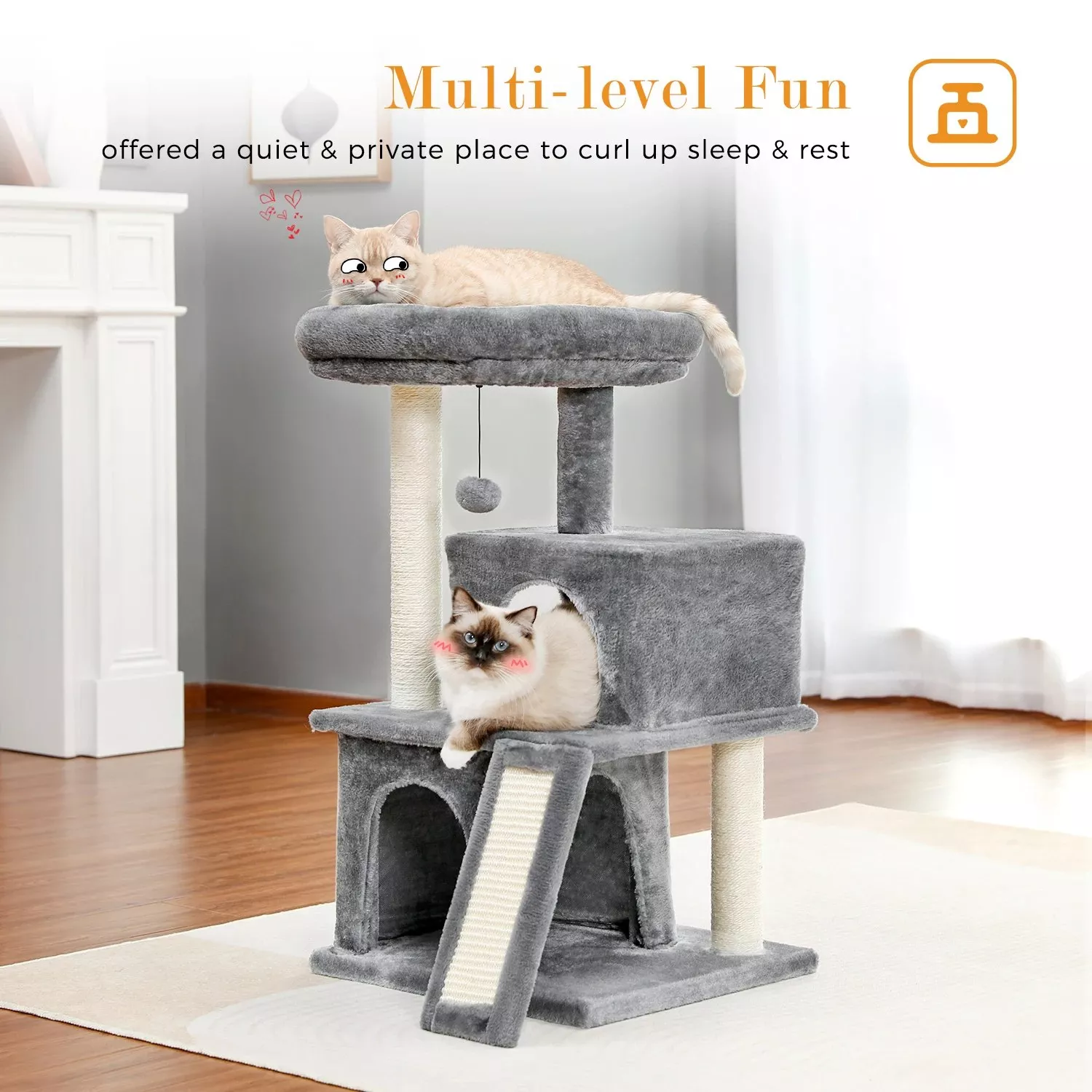 Multilevel Cat Tree with Double Condos, Spacious Perch & Scratching Post A cozy climbing tower with condos and perches, giving indoor cats warm spots up off the floor. US $48.51 US $111.49 |
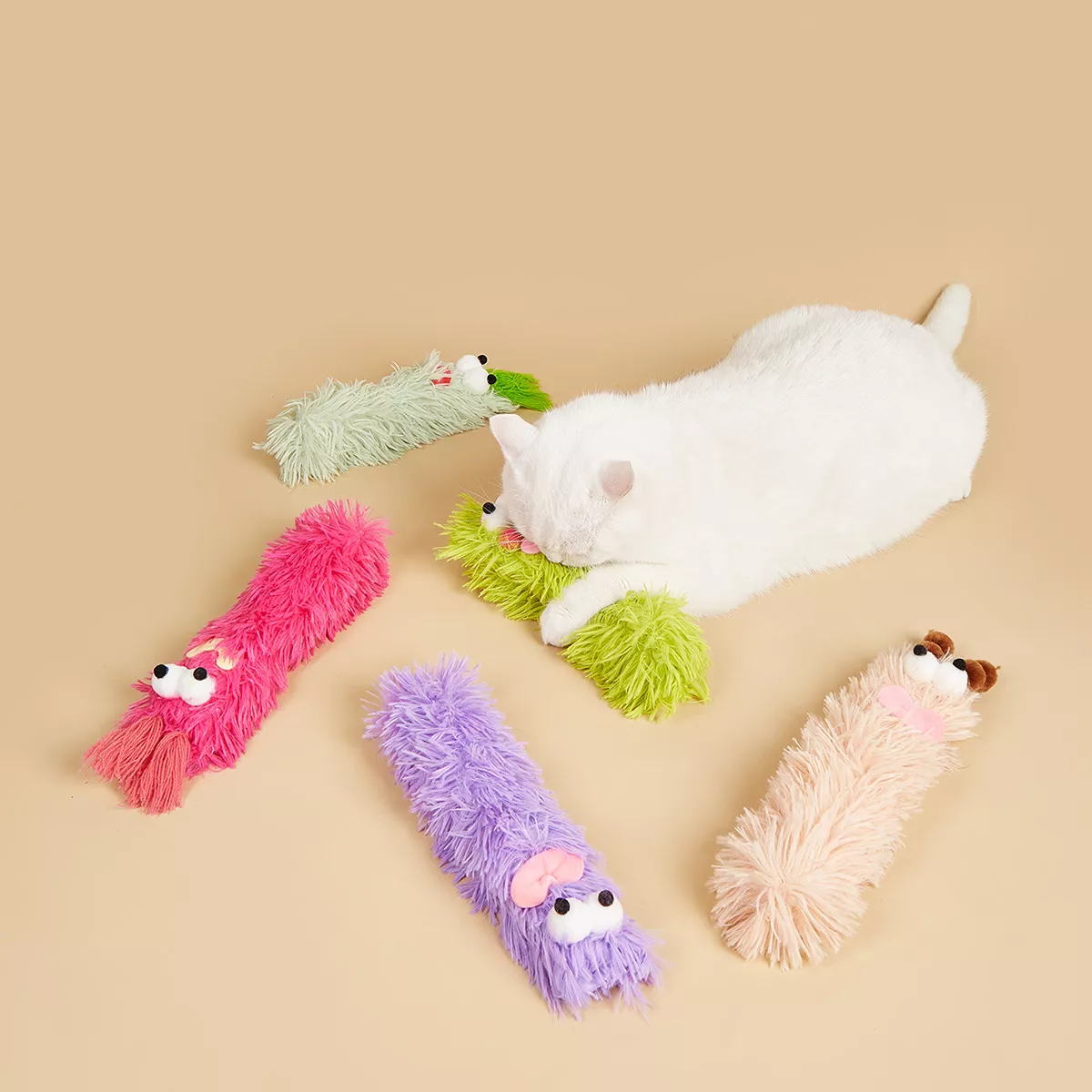 Interactive Catnip Pillow Toy A soft catnip pillow that seasons a new bed with play and makes the napping spot feel like home. US $5.97 US $18.95 |
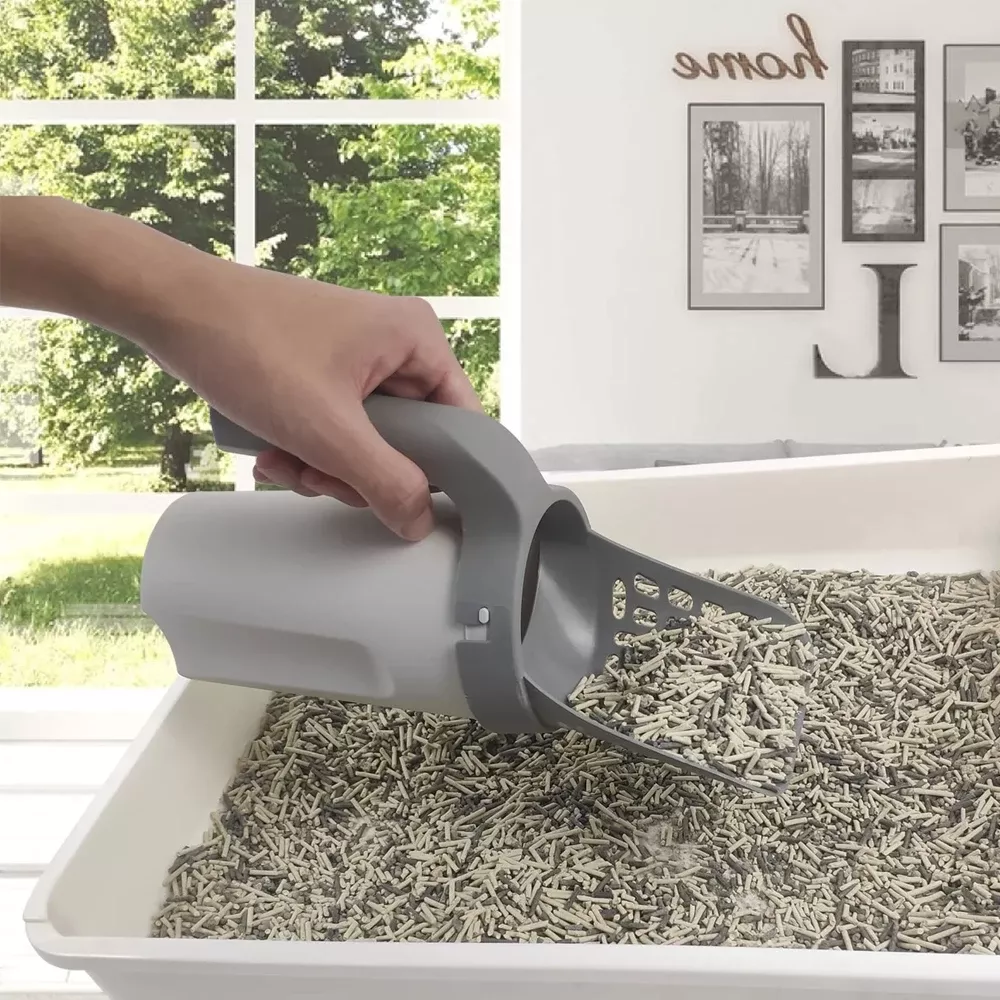 Self-Cleaning Cat Litter Scoop with Waste Bin A mess-free litter scoop with a built-in waste bin, keeping the winter-time indoor routine quick. US $12.51 US $53.06 |
