

When Can a Puppy Sleep in a Dog Bed Instead of a Crate? Safe Transition Tips
The Fast Answer
There is no universal age when every puppy is ready to sleep outside a crate. Look for readiness: your puppy can settle, is managing overnight toilet needs for their stage, is not chewing or swallowing bedding, and can rest safely in a puppy-proofed area. Transition gradually, keep the crate available, and ask your veterinarian or a qualified trainer if you are unsure.
Want a separate cozy rest spot? The Winter Warm Pet Bed is a no-electric round faux-fur bed, available in six colors. Buy one for $29.99, two for $53.98, or three for $76.47. The bundles are quantities, not sizes.
Crate naps may be working well, but you may be wondering when your puppy can move to a dog bed for overnight sleep. The best answer is not a birthday or a magic number. It is a gradual decision based on your puppy’s habits, the room you can safely offer, and whether you can supervise the change. A dog bed can become a comfortable destination while the crate remains a useful familiar option.
This guide focuses on a puppy’s own bed in a safe sleeping area, not sharing a human bed. If your puppy is still learning house-training, chewing bedding, or waking distressed, slow down rather than treating the transition as a test they have to pass.

Readiness matters more than age
Puppies mature at different rates, and their sleep needs, bladder control, chewing, and comfort with being alone do not all develop on one schedule. Consider an overnight bed transition only when the current setup is working safely and your puppy is showing several of these signs:
- Your puppy can relax on a bed during supervised daytime practice without repeatedly trying to shred or swallow the fabric.
- Overnight toilet arrangements are already appropriate for your puppy’s age and routine, with no expectation that a bed will solve accidents.
- Your puppy can settle in a puppy-proofed area, and you can check on them or hear when they need help.
- The room has been checked for cords, small objects, unsafe gaps, and anything else your puppy could chew or get trapped in.
- You can keep the crate or another familiar safe space available while you test the change.
These are practical observations, not a diagnosis or a guarantee. If your puppy has repeated accidents, persistent distress, sudden changes in sleep, or destructive chewing, speak with your veterinarian or a qualified positive-reinforcement trainer before changing the routine.
Keep the crate and bed separate choices
A crate and a dog bed serve different purposes. A crate can be a familiar, bounded resting space when used positively and appropriately. A bed gives your puppy a softer place to settle when the surrounding area is safe. The transition does not need to be all-or-nothing: many households keep the crate available with its door open while adding a separate bed nearby.
Do not assume a plush bed is safe inside a closed crate for a puppy who chews, shreds, or eats fabric. Follow the crate and bedding guidance you have from your veterinarian or trainer, and choose the setup that prevents access to hazards when you cannot supervise.
Try a gradual three-step transition
- Build a positive daytime association. Place the bed near the familiar crate. Let your puppy investigate at their own pace, and reward calm approaches or settling. Keep practice brief and relaxed.
- Offer supervised rest in the safe area. When your puppy is calm after play or a potty break, invite them to rest on the bed while you are nearby. Keep the crate accessible so they can choose their usual spot.
- Test a short, monitored sleep period. Only after supervised practice is going well, try a nap or part of the night in a puppy-proofed area. Keep the familiar crate available and return to the prior setup if your puppy chews, panics, or has difficulty settling.
Make one change at a time. Avoid moving the bed, changing the bedtime routine, and removing the crate all on the same night. Familiar cues, a predictable final potty opportunity, and a quiet sleeping location can make the new option easier to understand.

Choose a bed that fits the puppy, not just the photo
Measure your puppy while they are relaxed in their usual sleeping position. A curled puppy may need less room than one who stretches out, and a growing dog can outgrow a small bed quickly. Check the product’s actual dimensions and weight guidance, then reassess as your puppy grows. Do not treat a bundle quantity as a size option.
The Winter Warm Pet Bed is offered in three sizes: Small is 18 inches for pets up to 10 pounds, Medium is 22 inches for pets up to 18 pounds, and Large is 26 inches for pets up to 30 pounds. The product guidance recommends sizing up for stretchers. Those measurements are the store’s listed guidance, so compare them with your puppy’s current measurements and expected growth rather than assuming one size fits every breed.
| Bed size | Listed diameter | Listed weight guidance |
|---|---|---|
| Small | 18 inches | Up to 10 pounds |
| Medium | 22 inches | Up to 18 pounds |
| Large | 26 inches | Up to 30 pounds |
Available bundles are Buy 1 for $29.99 (compare-at $49.99), Buy 2 for $53.98 (compare-at $59.98), and Buy 3 for $76.47 (compare-at $89.97). The bundle numbers mean how many beds you receive, not Small, Medium, or Large sizing.
Pick a shape that suits how your puppy rests
| Resting style | What to consider |
|---|---|
| Curls up | A round faux-fur bed with a raised rim offers a defined place to curl. Watch your puppy’s comfort and chewing before leaving it unsupervised. |
| Likes privacy | A cave-style bed may suit a puppy that chooses sheltered corners, if the design is safe for that individual and easy to monitor. |
| Stretches out | Check the usable sleeping surface and consider sizing up when the listed dimensions allow. |
Set up the sleeping area for success
Start near the crate or another familiar resting spot, then keep the bed in a quiet place away from drafts, busy foot traffic, and household hazards. If you use a playpen or gated room, confirm that the enclosure is secure, the puppy has enough room to move, and the bed cannot block access to water or the exit you use for potty trips. A pen is not a substitute for supervision or an overnight toilet plan.
Keep a regular wind-down routine: calm activity, a final toilet opportunity that fits your puppy’s needs, then a low-key cue to rest. If your puppy wakes, respond to the need rather than scolding. Repeated crying, accidents, or chewing are signals to reassess the setup, not proof that your puppy is being stubborn.

Price, materials, and care
The Winter Warm Pet Bed uses 100% polyester faux fur with high-density PP cotton fill and does not use electricity. For care, the store’s instructions are machine wash cold on a gentle cycle and tumble dry low or air dry; do not bleach or iron. If your puppy is actively chewing or likely to ingest fabric, remove the bed and supervise rather than relying on a care label to address that risk.
The store lists processing at 1–2 business days, domestic delivery at 5–10 business days, and returns within 30 days for unused items in their original packaging. Check the current product page for the latest terms before ordering.
Common buying objections, answered
Will a puppy automatically use a new bed? No bed can guarantee that. Let your puppy explore it, reward calm use, and keep the familiar crate available while the new habit develops.
Does this bed need a plug? No. The Winter Warm Pet Bed is a no-electric option. It is not a substitute for a safe room temperature or veterinary care.
Can I wash it after an accident? The listed care instructions allow cold gentle machine washing and low tumble drying or air drying. Check the product instructions and make sure the bed is fully dry before use.
What if my puppy chews the bed? Remove it when you cannot supervise, return to a safer setup, and ask a veterinarian or trainer for help if chewing continues or your puppy may have swallowed material.
A quick puppy sleep-space checklist
- Is the sleeping area puppy-proofed, quiet, and easy to monitor?
- Is your puppy ready for a change based on behavior, not an arbitrary age?
- Can the crate remain available while the bed is introduced gradually?
- Does the bed fit the puppy’s measured sleep posture and current weight guidance?
- Will you remove bedding if chewing or swallowing is a concern?
- Is the overnight potty plan appropriate for your individual puppy?

Choose Your Puppy’s Color
The Winter Warm Pet Bed is available in six colors, with three bundle quantities. Choose the size from the listed measurements, then introduce the bed during calm, supervised practice.
Related Winter Pet-Bed Guides
- How to Get a Puppy to Sleep in Their Own Bed
- Best Dog Bed for Puppies in Winter
- Best Dog Beds for Puppies That Get Cold
- Best Dog Beds for Dogs That Sleep in a Crate in Winter
Frequently asked questions
At what age can a puppy move from a crate to a dog bed?
There is no universal age. Use behavior, toilet needs, chewing, and the safety of the room to guide the decision, and consult your veterinarian or trainer when uncertain.
Should the dog bed go inside the crate?
Only if the bedding is appropriate for your individual puppy and your trainer or veterinarian’s guidance. If your puppy chews or shreds fabric, do not leave a plush bed where they can access it unsupervised.
How do I choose the bed size?
Measure your puppy’s usual resting posture and compare it with the product dimensions and listed weight guidance. Size up for stretchers when appropriate, then reassess as the puppy grows.
Does the Winter Warm Pet Bed use electricity?
No. The listed materials are polyester faux fur and high-density PP cotton fill; it does not use electricity.
How is it cleaned?
The listed care is machine wash cold on gentle and tumble dry low or air dry. Do not bleach or iron.
What are the shipping and return terms?
The store lists 1–2 business days for processing and 5–10 business days for domestic delivery. Returns are within 30 days for unused items in original packaging. Check the product page for current terms.
Make the New Rest Spot Easy to Choose
Build the habit slowly, keep the safe option available, and choose a bed that fits your puppy today. The Winter Warm Pet Bed starts at $29.99, with Buy 2 for $53.98 and Buy 3 for $76.47.
Picks From Our Friends at RuleNo
Product prices checked October 1, 2026. Options can affect the final price, so confirm the selected version on RuleNo.
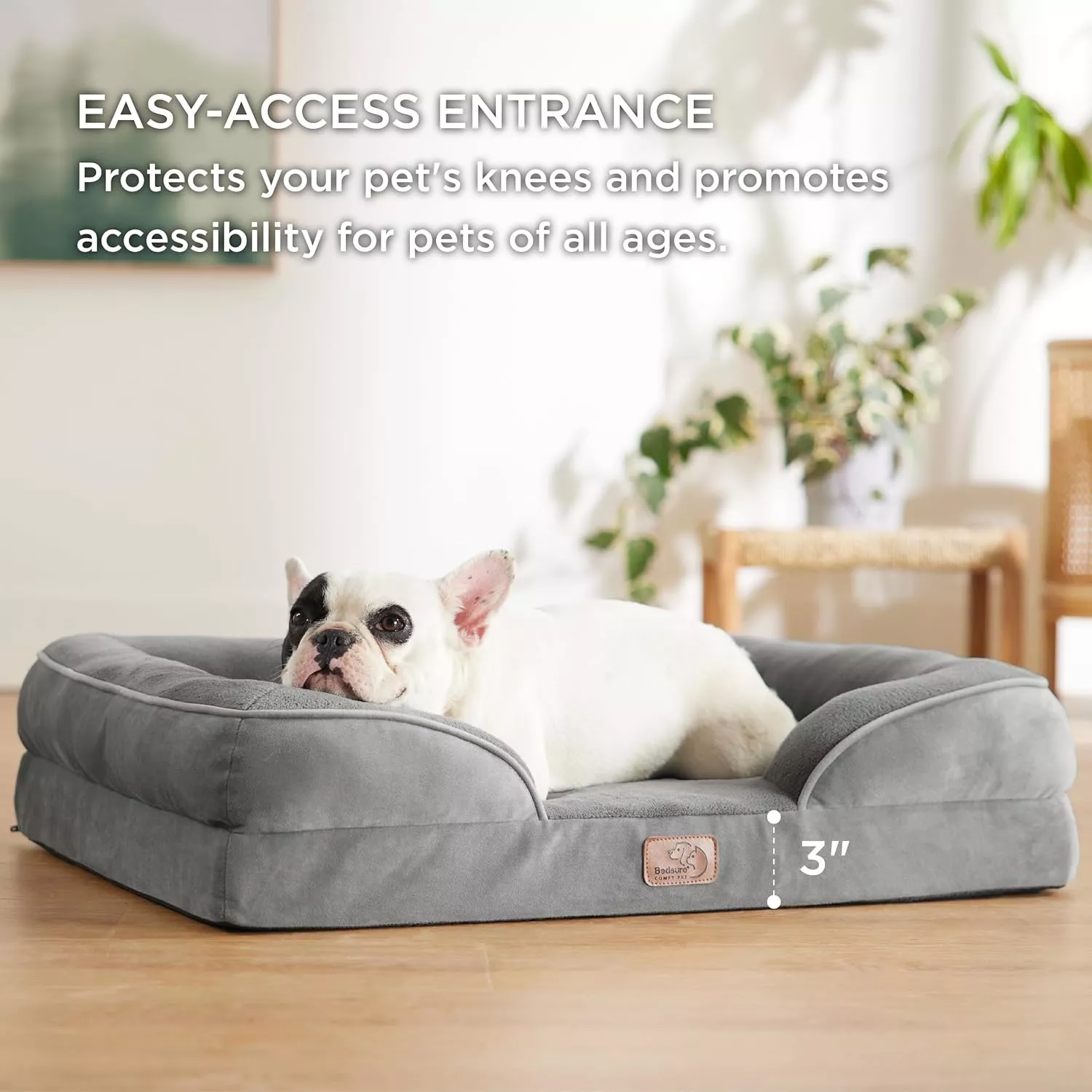 Orthopedic Dog Bed for Medium Dogs A separate supportive resting option for a puppy growing into a medium bed. $41.67 |
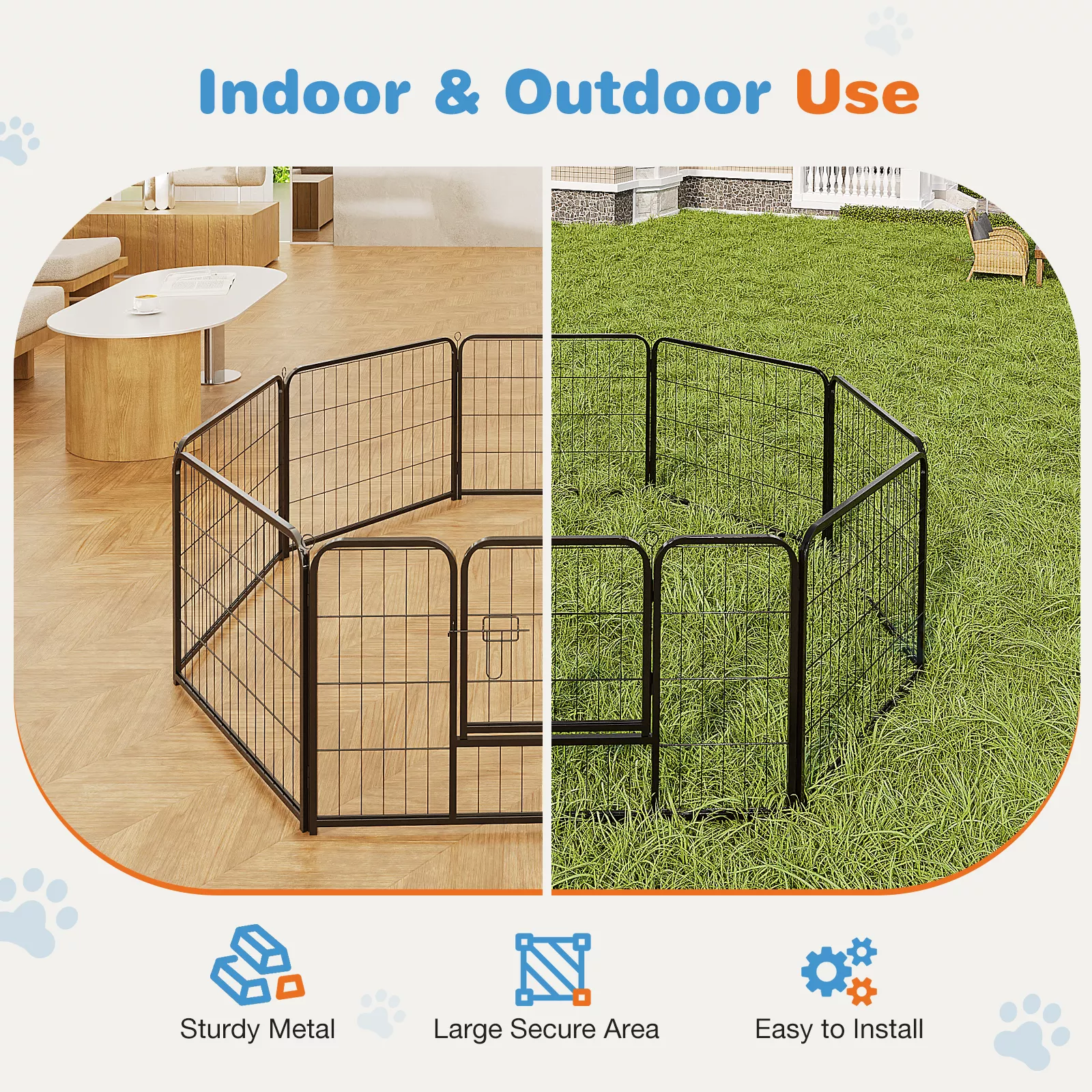
A configurable boundary to consider when setting up a puppy-proofed rest area. $101.01 |
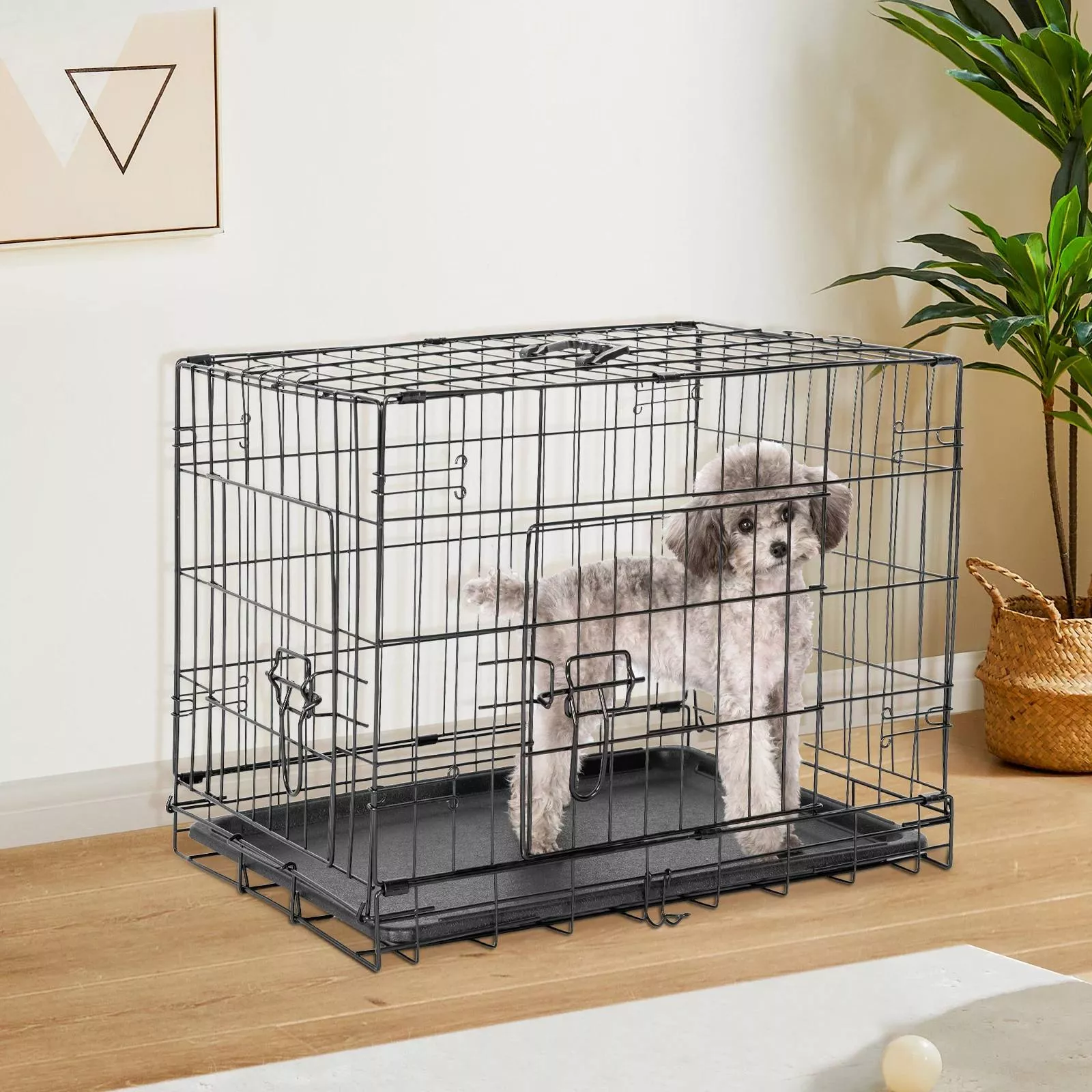
A familiar bounded sleep option to keep available while you introduce a separate bed. $57.51 |
