

Why Do Cats Sleep on the Bathroom Floor Instead of Their Bed? 8 Reasons and Safe Fixes
If your cat stretches out on the bathroom floor instead of using their pet bed, the behavior may be about temperature, privacy, routine, or the feel of the surface. Tile can be cool and predictable. The bathroom may also be quieter than the rest of the home, while a bed in the wrong place can feel too warm, too exposed, or difficult to enter. The goal is not to force your cat off the floor. It is to understand the appeal and offer a safer warm surface nearby.
The Fast Answer
Check the room for drafts and moisture, keep cleaners and cords out of reach, then place a warm bed on a stable rug near your cat's chosen route. Start with a quiet, low-entry setup and reward voluntary bed use.
Winter Warm Pet Bed: $29.99, reduced from $49.99. It uses faux fur and high-density PP cotton fill for machine-free comfort, with six colors available.
1. The Tile Feels Cool
Some cats actively seek a cool surface, particularly after activity or when a warm room feels stuffy. Bathroom tile provides a consistent sensation that fabric does not. That preference can be normal, but a hard floor is not the same as a comfortable long-term resting surface.
Fix: Offer a bed with a rug underneath so your cat can choose a softer surface without losing the familiar floor-level position.

2. The Floor Is Firm and Predictable
Some cats avoid beds that shift, compress, or feel uneven. A hard floor never changes shape under their paws. A stable round bed on a non-slip rug can make the transition easier because the bed stays put when your cat steps in, turns, or settles.
Smooth the fill before offering the bed and leave enough surrounding space for a clear exit. Do not wedge the bed into a tight corner.
3. The Bathroom Offers Privacy
A bathroom floor may be away from household traffic. The walls and doorway create boundaries, while the floor still lets your cat see and hear what is happening. This can appeal to cats that want privacy without being completely isolated.
Try a quiet corner outside the busiest route. A cave-style bed can add privacy, but keep the entrance open and avoid making your cat feel trapped.
4. The Room Has Familiar Household Scents
Cats use scent to decide whether an area feels familiar. The bathroom may carry household smells and a predictable routine. A new bed can smell unfamiliar for the first few days.
Add one clean, familiar-smelling cloth to the bed, but avoid fragrance products, essential oils, loose strings, dryer sheets, and anything your cat could chew. Familiar scent should support the bed, not overwhelm it.
5. The Bed Is Too Warm or Too Exposed
A thick bed in direct sun or beside a heater may feel less appealing than a cooler floor. A bed in the center of a walkway may also feel exposed. Cats choose locations as much as they choose materials.
Move the bed to a dry spot with a view of the room but away from direct heat, drafts, doors, and heavy traffic. Let your cat test the position rather than changing it several times in one day.
6. The Bathroom Is on the Normal Walking Route
Your cat may pass through the bathroom repeatedly, making the floor an easy place to stop. A bed in a distant room has to compete with convenience. Cats often prefer the place that fits their existing route.
Fix: Put the bed near the route first. Once your cat uses it, move it only a few inches at a time if you want it in another room.
7. The Current Bed Is the Wrong Shape or Size
A cat that curls may want raised edges. A cat that stretches may need more open room. A senior cat may avoid a deep edge that is hard to cross. If the bed crowds the body or slides during entry, the bathroom floor may win simply because it is easier.
Choose the size that fits your cat's usual posture and size up when your cat stretches, is close to the listed weight limit, shares the bed, or needs room to turn.
8. Floor Sleeping Has Become a Routine
Repeated behavior becomes familiar. A cat may return to the bathroom floor at the same time each day because the lighting, household noise, temperature, and route all feel predictable. Redirecting the habit works best when the replacement appears during the same quiet period.
Sudden changes in hiding, thirst, appetite, mobility, breathing, or sleep location deserve veterinary advice. A bed can support comfort, but it is not a diagnosis.

Bathroom Floor vs. Winter Warm Pet Bed
| What matters | Bathroom floor | Winter Warm Pet Bed |
|---|---|---|
| Surface | Hard tile or smooth flooring | Soft faux fur with PP cotton fill |
| Temperature | Cool and variable | Insulated comfort without electricity |
| Support | Firm but unforgiving | Cushioned resting surface |
| Privacy | Walls and doorway create boundaries | Raised edges or a nearby cave-style setup |
| Safety | Possible drafts, water, cleaners, and slips | Place on a dry, stable, non-slip rug |
| Cleaning | Can collect dampness and residue | Machine wash cold on gentle |
Which Size Should I Choose?
| Size | Diameter | Recommended maximum |
|---|---|---|
| Small | 18 inches | 10 lbs |
| Medium | 22 inches | 18 lbs |
| Large | 26 inches | 30 lbs |
Choose the smallest size that fits your cat's normal curled posture without crowding. Size up when your cat sleeps stretched out, is close to the listed maximum, shares the bed, or needs more room to turn. The product variants are bundle quantities, not different sizes, so choose Small, Medium, or Large from the size guide and then select the bundle quantity for your home.
Quick Bed-Style Chooser
| Your cat tends to... | Start with... | Why |
|---|---|---|
| Loaf on the open floor | Donut or raised-edge bed | Adds boundaries while keeping the floor-level view |
| Hide near the bathroom | Cave-style bed | Adds privacy without cold tile |
| Move carefully or avoid jumps | Low-entry bed | Reduces the step for senior or stiff cats |
Bundle Value
| Bundle | Total | Per bed | Original price |
|---|---|---|---|
| Buy 1 | $29.99 | $29.99 | $49.99 |
| Buy 2 | $53.98 | $26.99 | $59.98 |
| Buy 3 | $76.47 | $25.49 | $89.97 |
Multiple beds let you offer one floor-level warm spot near the bathroom, one in a quiet room, and one where the family spends time instead of moving one bed around the home.
Three-Step Placement Plan
- Match the route: place the bed near the bathroom path but away from splashes, cleaners, heaters, cords, and door swings.
- Match the feeling: use a warm rug, stable surface, familiar scent, and the bed style that fits your cat's privacy and posture.
- Build the routine: offer the bed during the same quiet periods when your cat usually chooses the floor, and reward voluntary settling.
Buying Checklist for a Cold-Floor Alternative
- Measure your cat's curled and stretched sleeping positions.
- Size up if your cat is close to the weight limit, stretches, shares, or needs extra turning room.
- Choose a donut for open-floor curlers, a cave for privacy-seekers, or low entry for senior and stiff cats.
- Check the floor temperature and use a stable, dry, non-slip location.
- Keep the bed away from wet areas, cleaners, heaters, and electrical cords.
- Choose the color that fits your cat's space, with six Winter Warm Pet Bed colors available.
Common Buying Objections, Answered
Does the Winter Warm Pet Bed need electricity?
No. The verified product description lists faux fur and high-density PP cotton fill, with no electricity or heating element required.
Will my cat definitely stop sleeping on the floor?
No bed can guarantee an individual cat's behavior. A nearby placement, correct size, stable rug, familiar scent, and voluntary rewards give the new spot a better chance than forcing a cat away from the floor.
Is it washable?
Wash it in cold water on a gentle cycle, tumble dry low, and do not bleach or iron.
What is it made from?
The product description lists 100% polyester faux fur and high-density PP cotton fill, and describes the materials as hypoallergenic and non-toxic.
How long does delivery take?
Processing is typically 1–2 business days. Domestic delivery is typically 5–10 business days after shipment, while international delivery is typically 10–21 days.
What if I choose the wrong size?
Unused items in original packaging may be returned within 30 days of delivery. Measure first, and size up when your cat is close to the limit or prefers to stretch.
Cold-Floor Safety Checklist
- Keep the bathroom floor dry and remove cleaner residue before allowing access.
- Use a non-slip rug under any bed placed on tile or smooth flooring.
- Store cleaners, medication, razors, cosmetics, and small objects securely.
- Keep cords, styling tools, and hot appliances unplugged and out of reach.
- Keep the bed away from heaters, open flames, wet floors, and strong drafts.
- Ask a veterinarian about sudden hiding, thirst, appetite changes, pain, or unusual behavior.

Related Winter Cat-Bed Guides
- Why Does My Cat Sleep on the Refrigerator?
- Why Does My Cat Sleep on the Heating Vent?
- Why Do Cats Sleep in the Sink Instead of Their Bed?
Frequently Asked Questions
Is it bad if my cat sleeps on the bathroom floor?
Not automatically. The behavior can be normal, but cold tile, dampness, cleaner residue, slippery surfaces, and drafts can make the location less suitable for long naps. Offer a dry cushioned alternative nearby.
Why does my cat prefer the floor to a soft bed?
The floor may feel cool, firm, predictable, quiet, or easy to access. Change the feature that matters most by using a stable rug, correct size, quiet placement, and the right bed shape.
How do I redirect my cat without stressing them?
Offer the bed nearby during the same quiet periods, add one safe familiar-smelling cloth, reward voluntary investigation, and avoid lifting your cat into the bed repeatedly.
Can cold tile make my cat uncomfortable?
Tile is a hard temperature-variable surface. Some cats choose it because they like coolness, while others may find it uncomfortable during cold weather. Watch your cat's behavior and provide a dry insulated option.
When should I call a veterinarian?
Call for advice about sudden or persistent hiding, unusual thirst, appetite changes, pain, breathing changes, limping, vomiting, or other behavior changes.
Can I wash the Winter Warm Pet Bed?
Yes. The verified care guidance is machine wash cold on gentle, tumble dry low, with no bleach or iron.
Make the Cold Floor Optional
Give your cat a dry, cushioned warm spot from $29.99, with six colors to choose from.
Picks From Our Friends at RuleNo
These complementary pet finds can help create a more intentional climbing, grooming, or play routine away from the cold floor. Prices were checked on September 22, 2026 and may change.
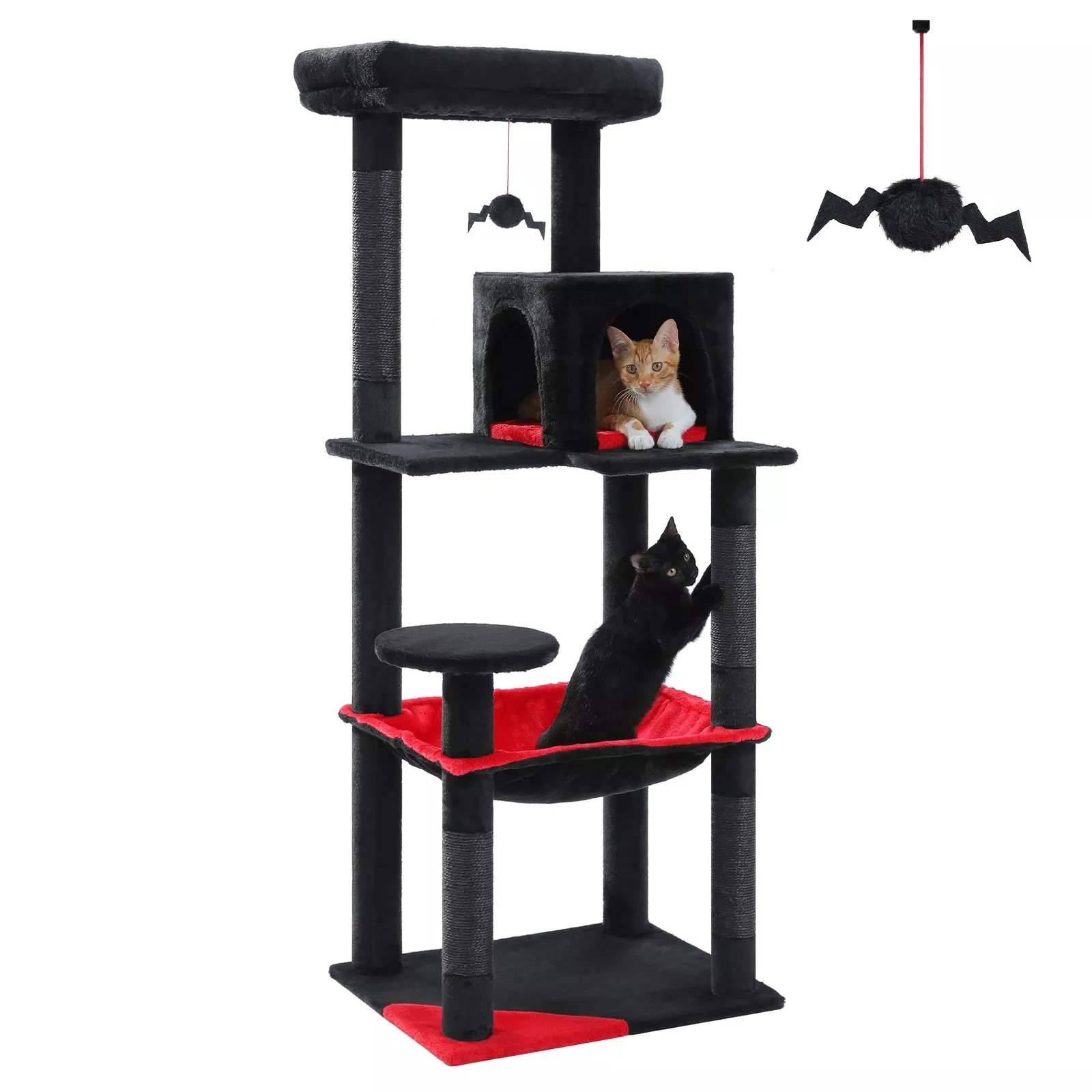 Gothic Cat Tree for Indoor Cats Gothic Cat Tree for Indoor CatsAdd a structured indoor perch and retreat away from the cold bathroom floor. $68.67 |
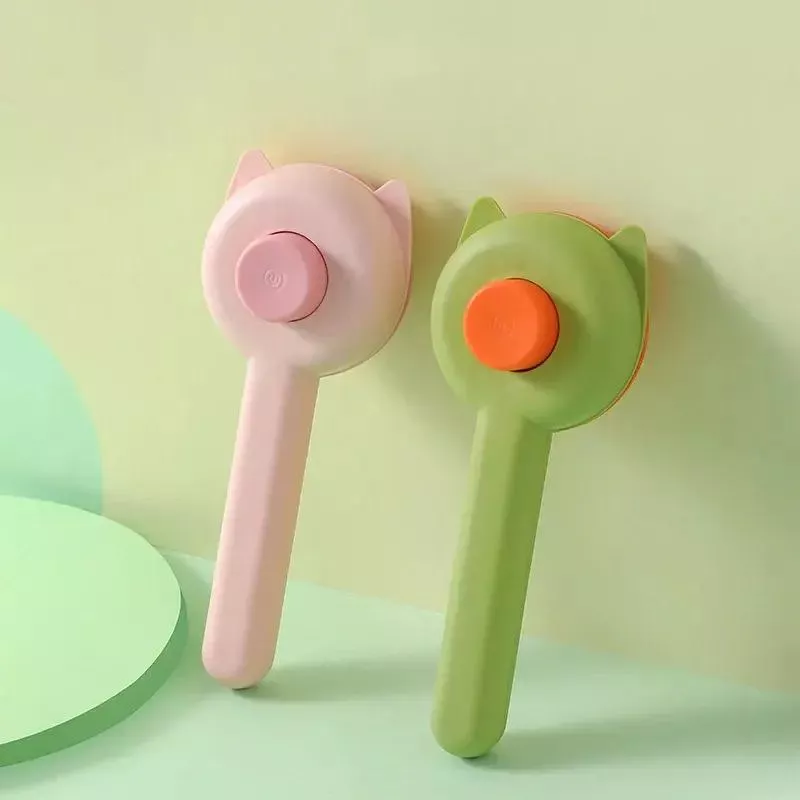 One-Click Pet Hair Removal Grooming Brush One-Click Pet Hair Removal Grooming BrushKeep coat care organized and make the warm resting area easier to maintain. $3.67 |
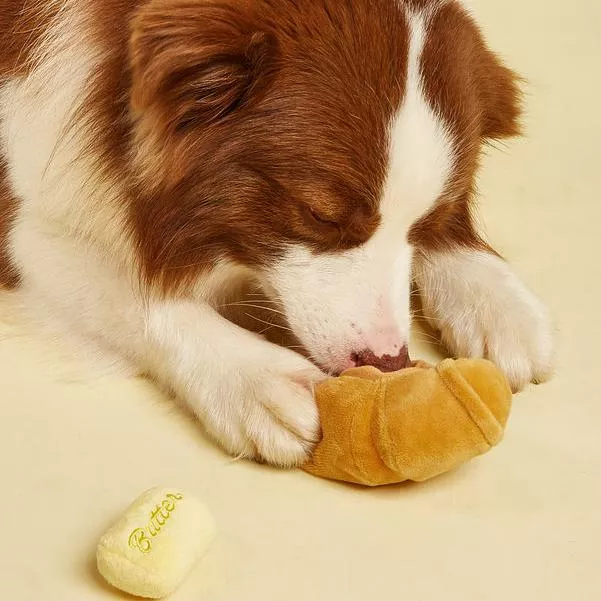 Food-Shaped Squeaky Dog Toy Food-Shaped Squeaky Dog ToyCreate a positive reason to leave the bathroom floor and play elsewhere. $6.51 |
