

Why Does My Cat Sleep Near the Water Heater Instead of Their Bed? 7 Reasons and Safer Fixes
A water heater closet or utility room can feel appealing to a cat in winter. It may be warmer or quieter than the rest of the house, with a tucked-away corner that seems private. But water heaters, pipes, valves, vents and utility equipment are not pet furniture. This guide explains why cats seek the space and how to offer a comfortable resting area without compromising appliance access or pet safety.
The Fast Answer
Warmth, privacy and habit can draw a cat toward a water heater. Keep their bed outside the utility enclosure, away from hot surfaces, pipes, vents and service clearances. A round faux fur bed in a calm, accessible room offers a softer winter nap spot without a cord.
Seven reasons a cat may choose the water heater area
1. The room is warmer
Utility spaces can feel warmer than a drafty hallway. That does not make the appliance itself a safe heater for a cat. Instead, offer a bed in a normally heated room, positioned away from exterior doors and cold window glass.
2. The space is tucked away
Cats often appreciate a sheltered resting spot. A heater closet may feel like a den, but service access and ventilation make it the wrong place to create one. A protected interior-wall nook elsewhere can provide the same sense of retreat.
3. Their bed is on a cold floor
A thin mat on tile or concrete may not feel inviting in winter. Try a cushioned bed on a stable, dry surface that does not slide. Keep rugs and bedding outside any appliance clearance area.
4. They want quiet
A cat may seek a utility room to escape visitors, children or other pets. Give them a quieter permitted room with a clear exit, food and water accessible elsewhere, and no need to squeeze behind equipment.
5. They like a curl-up shape
Some cats curl tightly and press against a rim. A round faux fur bed can offer that nesting feel. Others stretch or prefer an open pad, so observe how your cat actually sleeps before choosing a bed.
6. It is part of their daily route
If the utility door is often open and a cat has napped there before, the location can become a routine. Redirect gently to the safer bed, reward voluntary use and keep the new spot consistent.
7. Their comfort needs may be changing
Senior cats and cats with reduced mobility can seek warmth or seclusion. A sudden change in sleep location, movement, appetite or behavior calls for veterinary advice. A cozy bed supports comfort but cannot diagnose or treat illness.

Can a cat sleep next to a water heater?
Do not place a bed against or behind a water heater. Equipment can have hot components, leaks, electrical connections, combustion or ventilation requirements, and access areas needed for inspection and service. Follow the unit's manual and local safety guidance for clearances; never block vents or controls with bedding. If the heater is gas-powered, treat any gas smell or suspected exhaust problem as an emergency and follow local utility and emergency guidance. A qualified professional should handle appliance concerns.
Water heater nook versus a dedicated bed
| Consideration | Near the heater | Protected bed location |
|---|---|---|
| Temperature | Heat varies near equipment | Soft bedding in a normally heated room |
| Access | Can obstruct service or escape | Clear route and easy access |
| Moisture | Leaks or condensation may occur | Dry location that is easy to inspect |
Three steps to a better winter nap spot
Step 1: choose a safe location. Keep the bed in a dry interior room away from the water heater, its pipes, vents, access panels, cords and clearance zone. Avoid blocking doors or walkways.
Step 2: match the sleep style. Curlers may prefer a raised rim; stretchers need room to extend; seniors may need a lower entry and stable footing. Do not assume a heated appliance is the only way to meet a cat's comfort needs.
Step 3: encourage the new routine. Let your cat explore the bed freely. Use familiar placement and reward voluntary visits. Do not force them in or promise an instant change. If the room itself is unusually cold, address room temperature safely rather than relying on the bed alone.

Choosing a Winter Warm Pet Bed size
The product description lists Small at 18 inches for pets up to 10 lb, Medium at 22 inches for pets up to 18 lb, and Large at 26 inches for pets up to 30 lb. If your cat stretches rather than curls, consider sizing up. The Buy 1, Buy 2 and Buy 3 options are bundle quantities, not bed sizes.
| Size | Diameter | Max weight |
|---|---|---|
| Small | 18 in | 10 lb |
| Medium | 22 in | 18 lb |
| Large | 26 in | 30 lb |
The product description lists faux fur polyester and PP cotton fill, with no electricity needed. One bed was priced at $29.99 when checked; see the product page for current bundle pricing before ordering.

Practical safety checklist
- Keep pet beds outside all manufacturer-required clearances.
- Never cover vents, pipes, access panels or controls.
- Keep utility doors secure if the space is unsafe for pets.
- Inspect for leaks and seek professional help for equipment problems.
- Choose a dry stable floor and leave a clear escape route.
- Ask a veterinarian about sudden changes in heat-seeking or mobility.
Common buying objections, answered
Is the bed electric? No. The product description says it reflects a pet's own body heat. It does not replace safe home heating.
Can I wash it? The listed care is cold gentle machine wash, tumble dry low or air dry, with no bleach or ironing. Let it dry fully before use.
Will my cat choose it? Preferences vary. Appropriate placement, size and patience can help, but there is no guarantee.
Can the bed go in the utility closet if there is room? Do not use space needed for equipment access, ventilation or clearances. A separate room is a safer default.
Six colors to fit a safer spot
Choose a comfortable bed location first, then check the product listing for the actual available colors. The image below is an illustrative color concept, not a verified catalog of variant colors.

Related winter cat-bed guides
- Why Does My Cat Sleep on the Heating Vent?
- Why Does My Cat Sleep on the Washing Machine?
- Why Does My Cat Sleep on the Dishwasher?
Frequently asked questions
Why does my cat keep going into the water heater closet?
It may be seeking warmth, privacy or a familiar hideaway. Keep the equipment zone clear and provide a permitted quiet resting space elsewhere.
Is it safe to put a pet bed against a water heater?
No. Keep bedding away from appliances, vents, pipes and service clearances; follow the manufacturer's instructions.
Is a self-warming bed the same as a heater?
No. This bed's product description says it needs no electricity and reflects the pet's own body heat. It cannot heat a cold room.
What size suits my cat?
Measure your cat in its usual sleep position and compare with the 18, 22 and 26 inch sizes and listed weight limits. Consider sizing up for stretchers.
When should I speak to a veterinarian?
Seek advice when heat-seeking begins suddenly or occurs with stiffness, appetite changes, unusual behavior or signs of illness.
What about delivery and returns?
Check the current shipping estimate and return terms on the store before ordering, since conditions depend on the destination and order.
Move the nap away from the equipment
Set up a soft bed where your cat can rest without obstructing a water heater or approaching hot components.
Choose Your Cat's BedThree fresh picks from RuleNo
Prices were checked on September 25, 2026 and can change. These are separate products on RuleNo.com, not included with the Winter Warm Pet Bed.
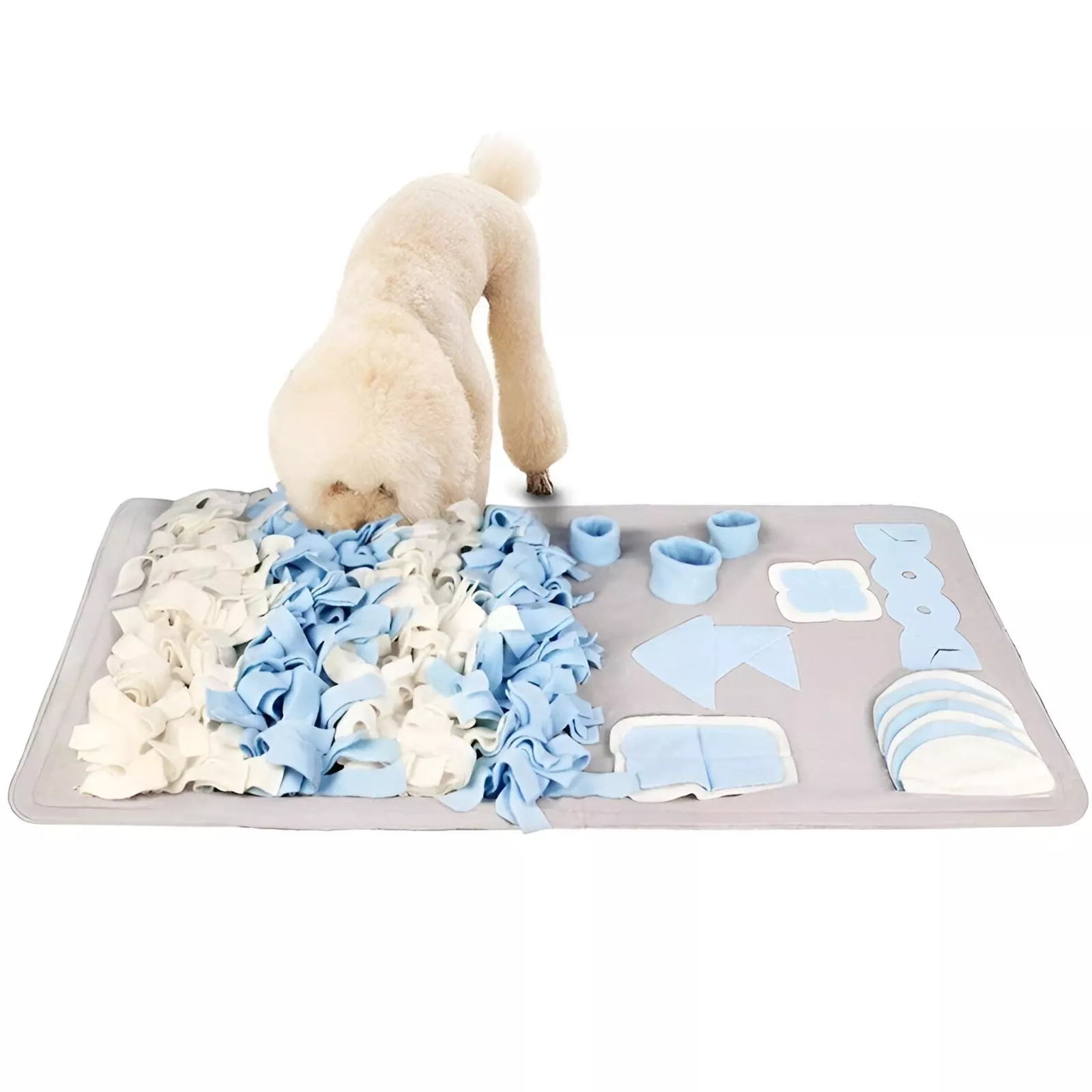 Durable Snuffle Mat for Dogs A separate enrichment activity for dogs. Sale $36.82 |
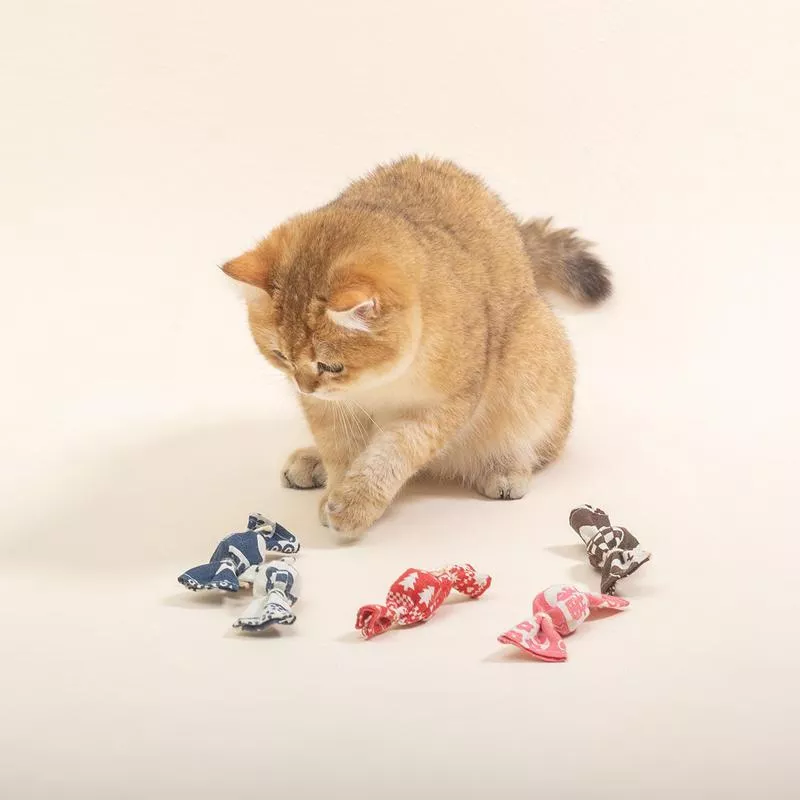 Interactive Cat Chew Toy with Bells & Catnip A play option away from utility equipment. Sale $2.01 |
 Portable Dog Water Bottle with Food Container Water and food storage for outings. Sale $15.51 |
