

Winter Pet Bed Cleaning: The Complete Cold-Weather Routine
Winter is hard on a pet bed in ways the other seasons never are. Snow, slush, road salt, and wet coats travel indoors on the cat or dog that uses the bed, the house is closed up so moisture and odor hang around instead of venting out, and the bed sits in its warm spot for more hours a day than it ever does in summer. The result is a bed that needs a different rhythm in the cold months — less deep-cleaning bravado, more steady maintenance — and a routine that accounts for the biggest winter problem of all: covers that take forever to dry. This guide lays out a complete cold-weather cleaning routine, from the daily two-minute check to the monthly deep clean, along with the winter-specific problems to watch for and the moment cleaning hands the job over to a replacement.
This guide builds on the care work we've already done: the gentle technique in how to wash a round fur bed without ruining the fluff, the material-by-material schedule in our pet bed cleaning guide, and the end-of-life signs in how long pet beds last. Winter adds its own layer on top of that foundation, and the washable-cover designs in our washable dog beds guide show what a winter-friendly bed looks like before the season starts.
Why Winter Changes the Cleaning Routine
The winter problem starts at the door. Every walk, porch visit, and barn check-in brings back moisture, grit, and de-icing salt in the coat and paws, and all of it ends up ground into the bed's surface as the pet settles in to thaw. Salt is the sneakiest of the three: it dissolves into damp fabric, leaves stiff white patches as it dries, and can irritate skin that spends hours pressed against the treated spot. Moisture is the more serious issue — a damp bed in a closed house dries slowly, and fabric that stays damp becomes a nursery for the odors and dust mites the other seasons never get a foothold on.
The house itself changes the equation too. Closed windows mean less air exchange, so smells that would vent out in June concentrate instead. Heating air is dry, which doubles the static that pulls loose fur deep into plush covers and makes every surface cling. And pets simply spend more hours on their beds in winter — a cat that naps four hours a day in summer may sleep fourteen in January — so whatever the coat carries lands in the same spot, day after day. A summer cleaning cadence quietly fails all of these at once, which is why the winter routine below runs a little faster and a little more often.
The Winter Cleaning Routine
The weekly vacuum and spot check
The backbone of the winter routine is a weekly vacuum of the whole bed — surface, walls, and the crease where the cushion meets the base, which is where fur and grit collect first. Use a soft brush attachment and go gently on plush and faux fur covers; the goal is to lift the loose hair out of the pile, not to flatten it, and a light pass twice is kinder to the fluff than one aggressive pass. While you're there, run your hand over the cover's surface and check for damp spots, salt crust, and pressed-in debris, and spot-clean any of the three immediately with a damp cloth and mild detergent — winter stains set fast and come out hard. Our guide to washing a round fur bed covers the gentle technique that keeps the pile standing after a season of this.

Keep the fluff fresh all season — shop the Winter Warm Pet Bed
Washing: covers, fills, and machine settings
In winter, wash the cover every one to two weeks rather than the every-two-to-four that works in summer — the extra traffic earns the extra load. Use cold or warm water and a mild, fragrance-free detergent, skip the softener that flattens pile and clogs fabric, and run an extra rinse cycle so no detergent residue stays behind to irritate skin. If the fill itself is washable, wash it monthly on the gentle cycle and check it for clumps when it comes out; if the bed is a solid foam base with a removable cover, the base gets a monthly air-out and a spot-clean while the cover does the washing. A bed the pet is nervous about — an anxious cat or an older dog that has bonded with the bed's scent — does better on the longer wash cycle, with a shorter vacuum-and-air routine between loads; our anxious-cat guide explains why scent matters so much to those sleepers.

Washable warmth, season after season — see the details
Winter drying and the spare-cover rotation
Drying is the step winter tries hardest to ruin. A cover that goes back on damp stays damp, and a damp cover in a cold room is the fast track to mildew and the musty smell no amount of washing removes afterward. Tumble-dry on low heat if the care label allows, add wool dryer balls to break up clumping in plush fill, and let thick covers run a second drying cycle rather than hoping the first was enough. If you air-dry indoors, spread the cover over a rack in the warmest room rather than hanging it in the cold — and keep a spare cover in rotation so the bed is never out of service while the first one dries. A rotating pair of covers is the single best winter upgrade a washable bed can get.

A spare cover keeps the bed in service — shop the collection
Winter-Specific Problems to Watch For
Four winter problems deserve their own line of defense. Damp and its musty odor mean the bed dried wrong or the room holds moisture — move the bed away from cold exterior walls and doors, and dry the cover longer next time. Salt stains respond to a spot clean with a damp cloth the day you find them; the longer salt sits, the stiffer the patch it leaves. Static that pulls fur into the cover eases with a light brushing pass after each vacuum, which also stands the plush pile back up. And flattened fill in a bed that's used fourteen hours a day is a winter sign you're cleaning on schedule but the bed itself is compressing — plump the cushion daily and check the fill's bounce monthly, because a bed that no longer springs back is warming less and insulating worse even when it's clean.
Our Top Pick for Winter
Our top recommendation is the plush, self-warming bed with tall soft walls, a thick insulating base, and a fully washable faux fur cover — the design that makes the winter routine easy instead of punishing. The cover pulls off and goes back on without tools, the washable fabric stands up to the biweekly cycle the season demands, and the insulating base means the bed stays warm on the days it's airing out. Pair it with a second cover in rotation and the whole routine becomes a five-minute job.

Shop the Winter Warm Pet Bed — the top pick for winter cleaning
Quick Winter Cleaning Checklist
Run the bed through this list every week of the cold season:
- Vacuum surface, walls, and the cushion-to-base crease
- Hand-check for damp spots, salt crust, and pressed-in grit
- Spot-clean stains the same day with mild detergent
- Wash the cover every one to two weeks, cold or gentle cycle
- Extra rinse cycle, no fabric softener
- Dry completely — low heat or the warmest indoor rack
- Keep a spare cover in rotation so the bed never sits empty
- Air out the fill or foam base monthly
- Plump the cushion daily and test the fill's bounce monthly
- Move the bed away from cold walls and drafty doors
When Cleaning Isn't Enough
Cleaning has a limit, and winter finds it faster than summer does. If odor returns within days of a wash, if the fill stays clumped after drying, or if the bed has compressed so far the pet is sleeping on the floor's cold pull, the honest answer is replacement — the signs in our how long pet beds last guide cover the full list. A fresh, washable, well-insulated bed is a better winter purchase than a fourth round of deep-cleaning a bed that has already given its best years, and the timing works in your favor: replacing a bed early in the season gives the pet months to bond with it before the coldest weather arrives.
Related Articles
- How to Wash a Round Fur Pet Bed Without Ruining the Fluff
- Pet Bed Cleaning Guide: How Often and How to Wash Every Type
- How Long Do Pet Beds Last? When to Replace Your Dog or Cat Bed
- Best Washable Dog Beds for Winter: Warm, Cozy & Easy to Clean
- Best Dog Beds for Dogs That Shed a Lot: Easy-Clean Winter Guide
Frequently Asked Questions
How often should I wash a pet bed in winter?
Wash the cover every one to two weeks in the cold months, vacuum the bed weekly, and air out or wash the fill monthly. Winter demands the faster cadence because pets spend more hours on the bed, wet coats and salt arrive daily, and closed-up houses concentrate odor. If the pet sheds heavily or the bed sits in a high-traffic, damp corner, err toward the weekly end of the range.
Why does my pet's bed smell musty in winter even after washing?
A musty smell that survives washing usually means one of two things: the bed went back together damp, or moisture is entering the setup faster than it leaves. Make sure the cover and fill are fully dry — low heat with dryer balls, or the warmest indoor rack — and move the bed away from cold exterior walls and doors where condensation forms. If the musty smell returns within days of a full wash, the fill itself has likely absorbed odor and the bed is ready to replace.
Can I dry a pet bed cover with a heater or radiator?
Indirect heat is fine; direct heat is not. Drying a cover on a rack in a warm room works well, but draping fabric over a radiator, vent, or space heater bakes the pile, shrinks some covers, and can damage the fill. Follow the care label — low tumble heat if allowed, air-dry in the warmest room if not — and never return a damp cover to the bed just because the pet is waiting.
What's the best winter bed for a messy, wet-coat pet?
A washable bed with a removable cover, an insulating base, and a fabric that dries fast. The wet-coat pets in winter test a bed's cleaning design more than its warmth, which is why our waterproof dog beds guide pairs so closely with this routine. Keep a towel by the door for the post-visit dry-off, keep the spare cover in rotation, and the wet-coat winter becomes a routine instead of a chore.
A Fresh Bed All Season Long
Winter cleaning is less about heroics and more about rhythm: a weekly vacuum, a cover wash every week or two, complete drying, and a spare cover ready to swap in. Build the routine around a bed that cooperates — washable, insulated, and quick to dry — and the cold months stop being a slow slide into musty fabric. The pet gets a fresh, warm bed every day of the season, and you get the easiest winter of bed care you've ever had.
More From the Winter Warm Pet Bed Collection
The bed below comes from our Winter Warm Pet Bed collection — plush, heat-reflective, and machine-washable, sized for every pet from the smallest cat to the largest dog.
 |
Shop the full Winter Warm Pet Bed collection
Picks From Our Friends at RuleNo
Three winter picks from the RuleNo store that pair perfectly with a fresh, clean pet season:
 Stainless Steel Tilted Double Dog Bowl, Anti-Skid, No Spill, Removable Feeding Bowls for Cats and Dogs No-spill removable bowls keep feeding time off the bed covers. US $18.97 US $40.95 |
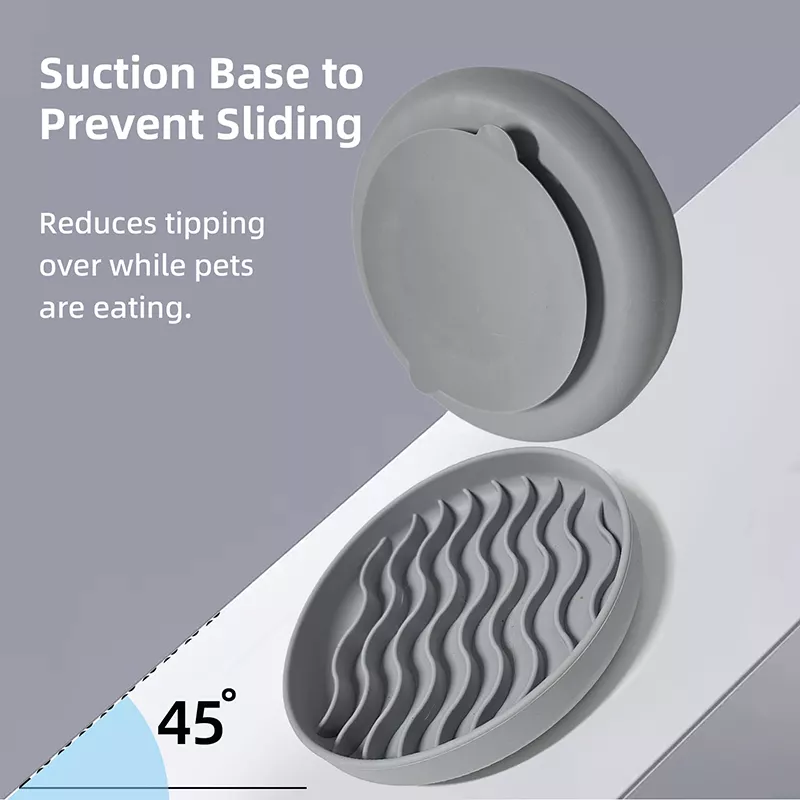 Silicone Non-Skid Slow Feeder Bowl for Dogs An easy-wash silicone feeder that cuts crumbs and spills at the source. US $16.82 US $38.80 |
 Flip Unlimited Cat Scratching Board A two-sided scratcher that keeps claws off bed covers and fabric. US $52.97 US $115.95 |
