

Best Cat Beds for Cats in Converted Sheds and Garden Studios in Winter
A converted shed or garden studio can become a peaceful winter retreat for a cat, but only when it performs like a safe indoor room. Insulation, reliable heating, dry construction, secure doors, ventilation, and separation from tools and garden chemicals matter more than the style of bed.
The best garden-studio cat bed has a thick insulated base, supportive raised sides, washable materials, a non-slip underside, and a broad exit. Place it against a dry interior wall, away from windows, exterior doors, heaters, cords, fertilizer, paint, sharp tools, and stored equipment.

Quick answer: Can a cat safely sleep in a converted shed in winter?
Yes, but only if the building is fully insulated, weatherproof, dry, ventilated, escape-proof, and kept at a safe stable temperature. An ordinary garden shed is not a safe winter bedroom. If the space becomes cold when power fails, contains chemicals or tools, has condensation, or cannot be checked regularly, move the cat and bed into the house.
What makes a garden studio different from a basic shed?
A habitable garden studio normally has finished insulated walls, a sealed roof, safe electrical work, secure windows, ventilation, and dependable heating. A basic storage shed often has thin walls, floor gaps, exposed framing, moisture, pests, sharp objects, and large temperature swings. A soft bed cannot correct those building-level hazards.
Measure temperature at bed height
Warm air rises, so a wall thermostat can read warmer than the floor where a cat sleeps. Put a separate thermometer near the bed and check morning, evening, and overnight readings during cold weather. Senior, underweight, short-haired, hairless, ill, and very young cats need extra protection from cold.
Insulate the floor beneath the bed
Concrete slabs and raised timber floors can pull warmth from bedding. Use a thick bed on a stable insulated layer or non-slip rug. Do not place bedding directly over a damp floor, loose insulation, an underfloor-heating fault, or an access hatch.
Choose a dry interior-wall nook
The strongest location is beside an interior wall or the least exposed wall, beyond the door swing and away from glazing. Keep the exit visible. Avoid corners with staining, condensation, musty smells, peeling finishes, or evidence of insects and rodents.
Best bed styles for a converted shed
Plush donut beds
Raised sides help contain warmth and give healthy adult cats a curled resting shape. Choose a stable base and enough internal space for the cat to change position comfortably.
Broad-opening cave beds
A cave-style bed can reduce drafts and visual activity. The entrance should be broad, stable, and unobstructed. Never wedge a cave beneath stored items or in a position where the opening could be blocked.

Low-entry bolster beds
Low bolsters are easier for senior cats and cats with arthritis. Pair the bed with a non-slip route to food, water, litter, and the main house.
Drafts around doors and windows
Check weather seals around frames and thresholds. Curtains may reduce radiant chill but must not block ventilation or create a tangle hazard. Keep the bed outside the stream of cold air from frequently opened doors.
Condensation and dampness
Condensation on windows, a musty odor, dark spots, or damp textiles signal a moisture problem. Improve ventilation and repair the source before using the room as a sleeping area. Wash or discard affected bedding and dry every layer completely.
Heating without creating a fire risk
Fixed heating installed for the room is generally easier to manage than a portable heater. Keep all bedding, curtains, paper, wood shavings, solvents, and stored products away from heat sources. Never cover a heater or run an extension cord under a rug or bed.
Power failures
An outbuilding can cool quickly when heating stops. Use a temperature alert if the cat spends time there, and create a plan for moving the cat indoors immediately during outages. Do not rely on an electric bed as the only source of warmth.
Extension cords and temporary wiring
Temporary cables are vulnerable to moisture, chewing, crushing, and overheating. Electrical work in a converted building should be suitable for the environment and completed by a qualified professional. Protect approved cords and keep plugs away from the bed and water.
Tools and sharp objects
Lock away saws, blades, drill bits, nails, screws, wire, garden stakes, and hand tools. Inspect the floor after every project. A single dropped fastener can injure a paw or be swallowed.
Paint, solvents, adhesives, and finishes
Keep paint, stain, varnish, adhesive, fuel, and solvents in secure storage outside the cat’s room. Allow renovated spaces to ventilate fully before the cat returns. “Dry to the touch” does not always mean fumes are gone.
Fertilizers, pesticides, and garden products
Fertilizer, weed killer, slug products, rodent bait, pesticides, bulbs, and concentrated plant food should never be accessible. Store them in locked cabinets elsewhere and clean spills according to product instructions.
Potentially toxic plants
Garden studios often hold overwintering plants. Identify every plant before allowing access. Lilies are especially dangerous to cats, including pollen and vase water. When identification is uncertain, remove the plant.
Exterior doors and escape prevention
A cat may slip out while someone carries equipment. Use a secure routine, check the cat’s position before opening the door, and consider a secondary barrier. Never prop the door open with the cat loose in the room.
Windows and ventilation
Secure screens so they cannot be pushed out. Tilt-and-turn windows can create dangerous gaps in some positions. Ventilate without creating an escape route or directing a cold draft across the bed.
Pests and wildlife
Rodents may attract a cat into walls, roof spaces, or stored materials. Seal entry points without trapping animals, remove food sources, and use pet-safe professional pest control. Avoid exposed traps and poison.
Noise from rain, wind, and branches
Outbuildings can amplify storms. Put the bed away from the roof edge and glazing, provide a familiar retreat, and move the cat indoors during severe weather. Overhanging branches and damaged roofing should be addressed promptly.
Senior-cat setup
Choose a low entry, supportive fill, stable rug, and short obstacle-free route. Senior cats may not show discomfort clearly, so monitor posture, mobility, appetite, grooming, and willingness to use the room.

Kittens and converted sheds
Kittens climb framing, chew cables, enter cabinets, and squeeze into tiny gaps. A detached studio is not suitable for unsupervised kitten sleep. Use a fully kitten-proofed indoor room instead.
Food, water, and litter
If the cat spends more than a brief supervised period in the studio, provide fresh water and appropriate litter access. Keep bowls away from chemicals and litter. Do not leave wet food for long periods in a heated room.
Cleaning routine
Vacuum the bed and surrounding floor regularly. Wash removable covers according to the care label, dry them thoroughly, and inspect seams and filling. Lift the bed to check for moisture, mold, pests, splinters, and dropped hardware.
When the cat should sleep indoors instead
- The structure is uninsulated or only partly insulated.
- Overnight temperature is not reliably controlled.
- There is dampness, condensation, mold, or a roof leak.
- Tools, fuel, chemicals, or toxic plants remain accessible.
- Heating depends on an unattended portable device.
- The building cannot be monitored during bad weather or power loss.
- The cat is very young, frail, ill, underweight, or recovering from surgery.
Garden-studio winter safety checklist
- Fully insulated and weatherproof structure
- Stable temperature measured at bed height
- Dry non-slip insulated base
- Bed away from doors, windows, heaters, and cords
- Tools and hardware locked away
- No accessible paint, fertilizer, pesticides, or toxic plants
- Secure doors, screens, and wall gaps
- Fresh water and litter access when needed
- Power-failure and severe-weather plan
- Daily in-person checks
Frequently Asked Questions
Is a self-warming bed enough in an unheated shed?
No. A self-warming bed can help retain body heat, but it cannot make an unheated or poorly insulated structure safe in winter.
Can I use a portable heater near the cat bed?
A fixed room-heating solution is safer. Keep any approved heater well away from bedding and combustible storage, follow its instructions, and never improvise wiring.
Should the bed sit near a sunny window?
Sun can feel pleasant during the day, but glass becomes cold after sunset and may create drafts. A dry interior-wall position is more consistent.
Is a cave bed better than a donut bed?
A cave offers more enclosure, while a donut provides easier visibility and access. The better choice depends on the cat’s mobility and preference, provided the location is safe.
How often should I check a cat in a detached studio?
Check frequently and always before closing the building. Remote temperature alerts can supplement, but not replace, in-person checks.
Can a senior cat sleep in a garden studio?
Only if it is reliably warm, dry, accessible, and closely monitored. A low-entry supportive bed and non-slip route are essential.
Final recommendation
Treat a converted shed as a cat room only when it truly functions like part of the house. First fix insulation, heating, moisture, wiring, storage, and escape risks. Then add a thick washable bed in a dry interior-wall nook with a clear exit.
Related winter guides
- Best Cat Beds for Storage Rooms in Winter
- Best Cat Beds for Garages in Winter
- Best Cat Beds for Sunrooms and Enclosed Porches
Explore Winter Warm Pet Bed

Fresh picks from RuleNo
Prices checked September 20, 2026 and may change.
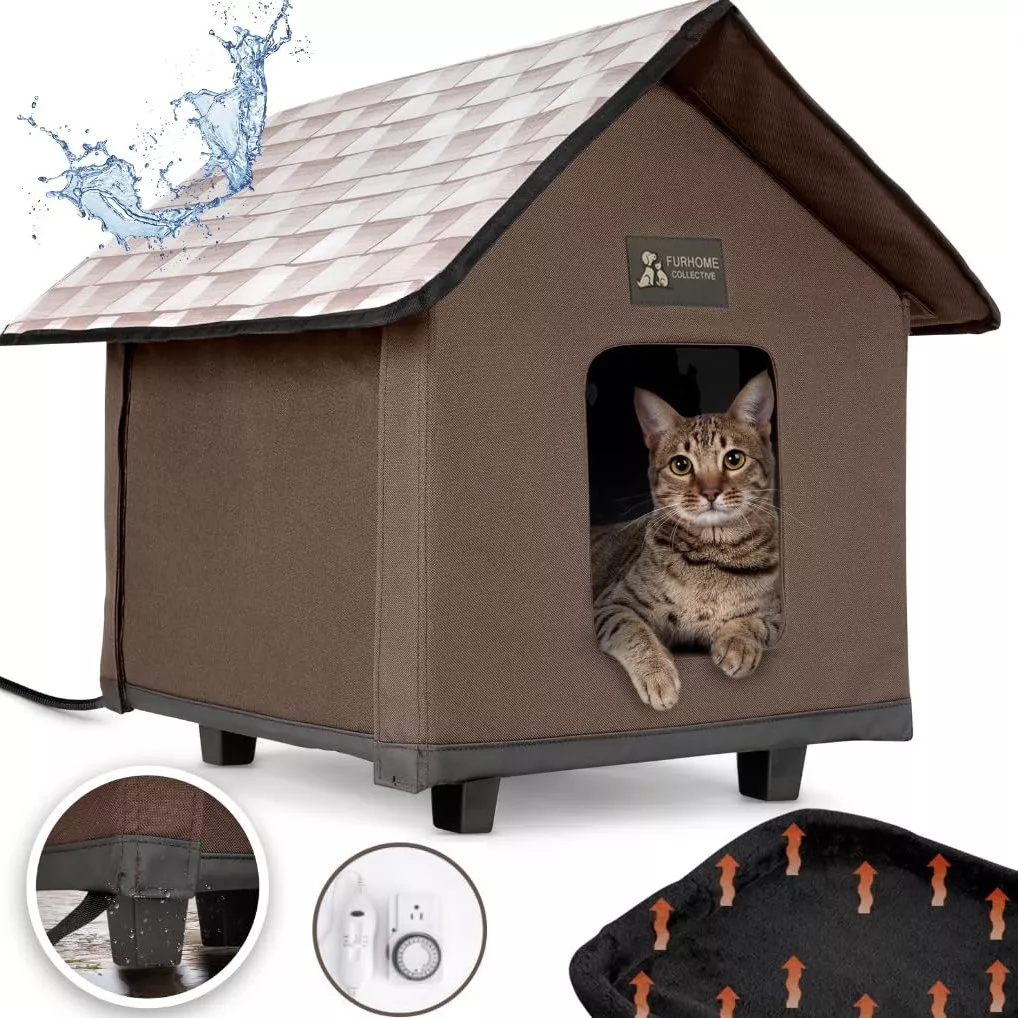 Heated Outdoor Cat House US $171.71 |
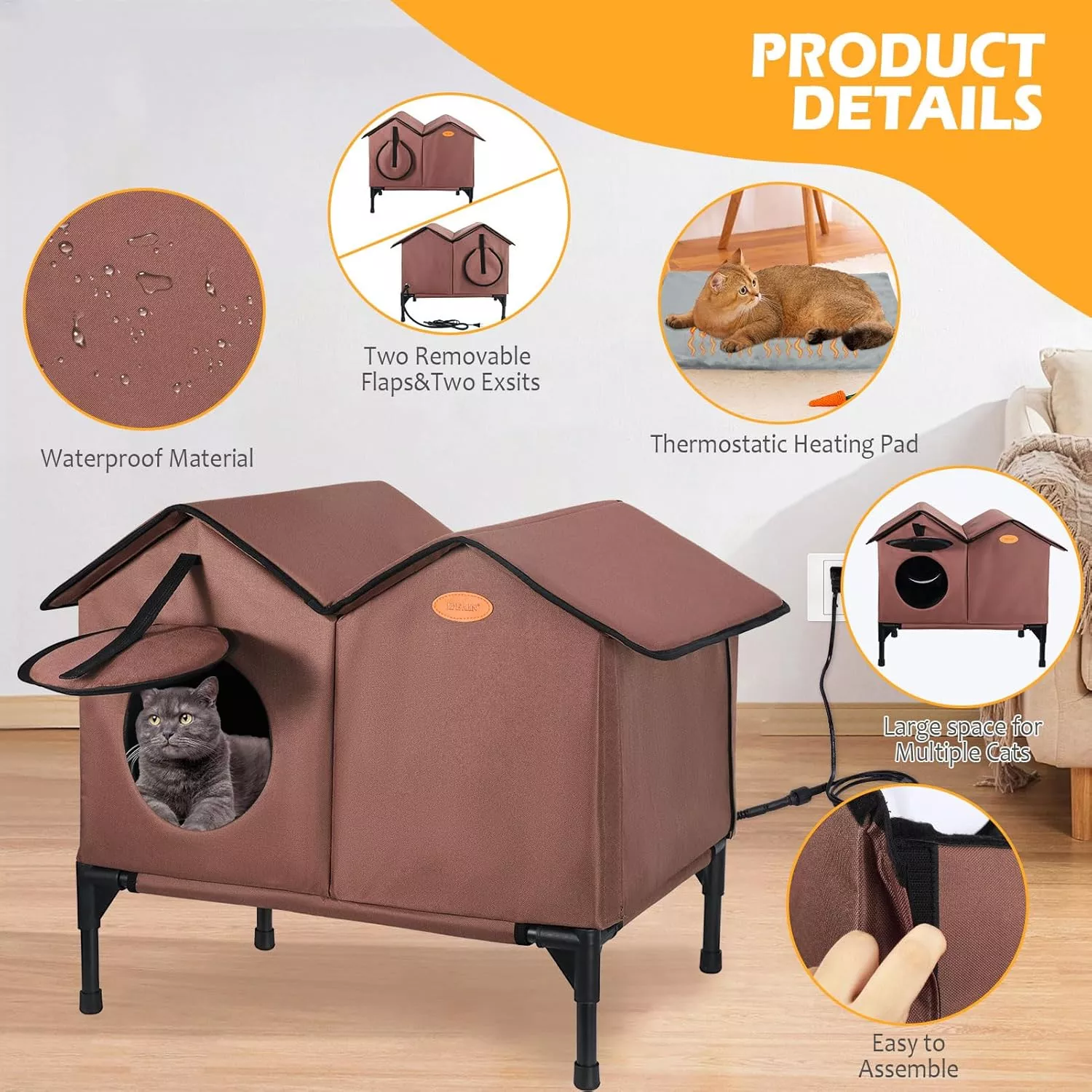 Weatherproof Heated Cat House US $171.71 |
 Daily Pet Training Routine Guide US $17.32 |
