

Best Cat Beds for Sunrooms and Enclosed Porches in Winter: Safe Sunny Warmth
A sunroom or enclosed porch can be a cat’s favorite winter lookout. Large windows bring sunlight, outdoor views, and a quiet place to nap. But these glass-heavy rooms can change temperature quickly, hold cold air near the floor, develop condensation, and become surprisingly chilly after sunset. A warm-looking sunny spot is not automatically a safe all-day sleeping area.
The best cat beds for sunrooms and enclosed porches have a thick insulating base, raised draft-blocking edges, washable fabric, non-slip footing, and a placement that stays dry and away from cold glass. Self-warming donut beds, broad-opening cave beds, and low-entry bolsters can give cats passive warmth without relying on direct electric heat.
This guide covers cold tile, glass chill, condensation, daylight temperature swings, senior and kitten safety, bed placement, cleaning, and no-electric warmth. For a plush winter option, explore the Winter Warm Pet Bed.

Quick answer: What is the best cat bed for a winter sunroom?
For most indoor cats, the best sunroom bed is a deep donut, supportive bolster, or breathable cave bed with a thick base and a washable cover. Put it on a stable insulating rug or pad, leave space from the glass, and keep it away from condensation, exterior doors, and strong drafts.
The cat should also have access to a warmer interior room. A sunroom that becomes cold overnight should not be the cat’s only sleeping area.
Why sunrooms get cold in winter
Glass transfers heat faster than an insulated wall. Even when the daytime sun warms the room, the temperature can fall quickly when clouds arrive or the sun sets. Cold glass also cools nearby air, which then settles toward the floor where pet beds usually sit.
Tile, stone, concrete, and laminate floors conduct heat away from the bed. A thin cushion may look soft but compress until the cat is almost resting on the cold surface.
Sunlight is helpful but temporary
Winter sunlight can warm fur and bedding, and many cats naturally follow sun patches. Treat it as a bonus rather than the entire warming plan. Check the bed early in the morning, on cloudy days, and after sunset.
A good bed remains comfortable when direct sunlight disappears. Thick fill, raised sides, and an insulating layer underneath matter more than the color of the fabric.
Condensation and dampness
Condensation forms when warm indoor air meets cold glass. Moisture can drip onto the sill or collect near the floor. Damp bedding loses insulating value, feels colder, and can develop odor or mold.
Keep the bed away from wet glass and inspect the underside frequently. Address persistent condensation through appropriate ventilation, weatherproofing, or professional home advice. Do not simply cover a wet floor with a rug.
Best bed styles for enclosed porches
Self-warming donut beds
A deep donut bed supports a curled posture and blocks drafts on several sides. Self-warming materials can return part of the cat’s body heat without a cord. Choose resilient fill that does not flatten onto cold tile.
Broad-opening cave beds
A cave bed traps a pocket of warmer air and reduces exposure to glass-side drafts. The entrance should be broad, stable, and pointed toward the warmer interior side of the room.

Bolster beds
A bolster bed suits cats that alternate between curling and stretching. Place the tallest edge toward the window or draft and leave the low side facing the warmer room.
Low-entry orthopedic beds
Senior cats and cats with arthritis may need even support and an easy entrance. A low-entry orthopedic bed can protect joints while a thick base reduces cold transfer from the floor.
How far should the bed be from the glass?
There is no single correct distance because windows, insulation, and weather vary. Leave a visible gap from the glass and test for moving air at bed height. If you can feel a draft or the bedding feels cold, move the bed farther into the room.
A stable bench beside the window can be warmer than a bed pressed against the pane, but elevated furniture must be wide, secure, and non-slip.
How to insulate a bed from tile or concrete
Place a stable non-slip rug pad, fitted cushion, or pet-safe insulating layer beneath the bed. The layer must stay flat and dry. If your hand can feel the cold floor through the compressed center, the bed needs more insulation.
For more detail, read our guide to cat beds for cold floors.
Drafts from porch doors
Enclosed porches often have exterior doors that open frequently. Keep the bed outside the direct air path and away from the threshold. Weather stripping may reduce leaks, but all materials and small hardware should remain inaccessible to pets.
A raised rim can reduce low airflow, but it cannot compensate for a room that is genuinely too cold.
Self-warming versus heated beds
A self-warming bed preserves some body heat through insulation and reflective material. A heated bed actively produces heat. Self-warming designs are simpler for many sunrooms because they have no cord and create gentler warmth.
Do not use a powered bed where condensation or water can reach it. Follow all product instructions, protect cords, and provide an unheated alternative. Human heating pads and improvised heaters are not safe substitutes.
Signs the sunroom is too cold
- Shivering or trembling
- Persistent tight curling
- Cold ears and paws with restlessness
- Leaving immediately when the sun moves
- Seeking radiators, laundry, or interior bedding
- Weakness or unusual lethargy
Move the cat into a warmer room and contact a veterinarian if cold stress, weakness, or illness is suspected.
Signs the sunroom is too warm
Glass rooms can overheat on bright days even in winter. Restlessness, repeated movement away from the bed, seeking cool tile, rapid breathing, drooling, or lethargy can signal overheating. Provide shade, water, ventilation, and an easy route to a cooler room.
Never leave a cat trapped in a sunroom whose temperature you have not monitored through the full day.
Senior cats in sunrooms
Senior cats may love sunlight but need low entry, non-slip footing, and stable temperature. Keep the route to the bed level and place food, water, and litter where the cat can reach them safely.

Older cats may not respond to changing temperatures as quickly as younger cats. Check them frequently and keep an interior bed available. See our senior-cat winter bed guide.
Kittens and enclosed porches
Kittens lose heat quickly and can squeeze through small gaps. Use a warm supervised interior room, secure windows and doors, and choose a low-entry bed. Avoid active heat without close supervision.
Multi-cat households
Provide several beds so one cat cannot control the warmest sun patch. Place beds with separate exits and include at least one warmer interior option. Cats may choose different temperatures throughout the day.
Plants and porch hazards
Many sunrooms hold houseplants, garden products, cords, and fragile furniture. Verify that plants are cat-safe, lock away fertilizers and pesticides, secure blind cords, and prevent access to unstable shelving.
Warmth does not make an otherwise hazardous room suitable for unsupervised use.
Cleaning and moisture control
Vacuum fur and dust regularly. Wash removable covers according to the care label and dry every layer completely before returning it to the room. Inspect beneath the bed for condensation, discoloration, or mold.
Replace compressed filling, damaged non-slip backing, and bedding that retains musty odor. Our winter cleaning routine can help plan cover rotation.
Quick buying checklist
- Thick insulating base
- Raised draft-blocking edges
- Broad easy exit
- Low entry for seniors and kittens
- Non-slip underside
- Removable washable cover
- Breathable self-warming material
- Dry placement away from glass
- Stable rug or pad underneath
- Interior backup bed available
Frequently Asked Questions
Can a cat sleep in a sunroom during winter?
Only if the room stays dry, secure, and warm enough through the night. Monitor the temperature and always provide access to a warmer interior room.
Are enclosed porches warm enough for cats?
Some are heated and insulated; others behave almost like outdoor spaces. Judge the actual temperature, drafts, moisture, and floor conditions rather than the room label.
What bed is best for cold tile?
Choose a thick resilient base with a non-slip insulating layer underneath. Donut, bolster, and orthopedic beds can all work when they prevent compression onto the floor.
Do self-warming beds work in sunrooms?
They can improve comfort by preserving body heat, but they do not heat a cold room. Placement, floor insulation, and dry conditions still matter.
Can winter sunlight overheat a cat?
Yes. Glass rooms can warm quickly. Provide shade, water, ventilation, and an exit to a cooler room.
Should the bed touch the window?
No. Leave a gap from cold glass and move the bed away from condensation and drafts.
Make the sunny spot safe after sunset
The best sunroom cat bed combines passive warmth, floor insulation, draft protection, and dry placement. A thick donut, broad-opening cave, or low-entry bolster can turn a bright lookout into a safer winter retreat.
Related Articles
- Best Cat Beds Near Cold Windows
- Best Cat Beds for Cold Floors
- Best Self-Warming Cat Beds for Winter
- Best Cat Caves for Winter
- Best Washable Cat Beds for Winter
More From the Winter Warm Pet Bed Collection
 |
Shop the Winter Warm Pet Bed collection
Picks From Our Friends at RuleNo
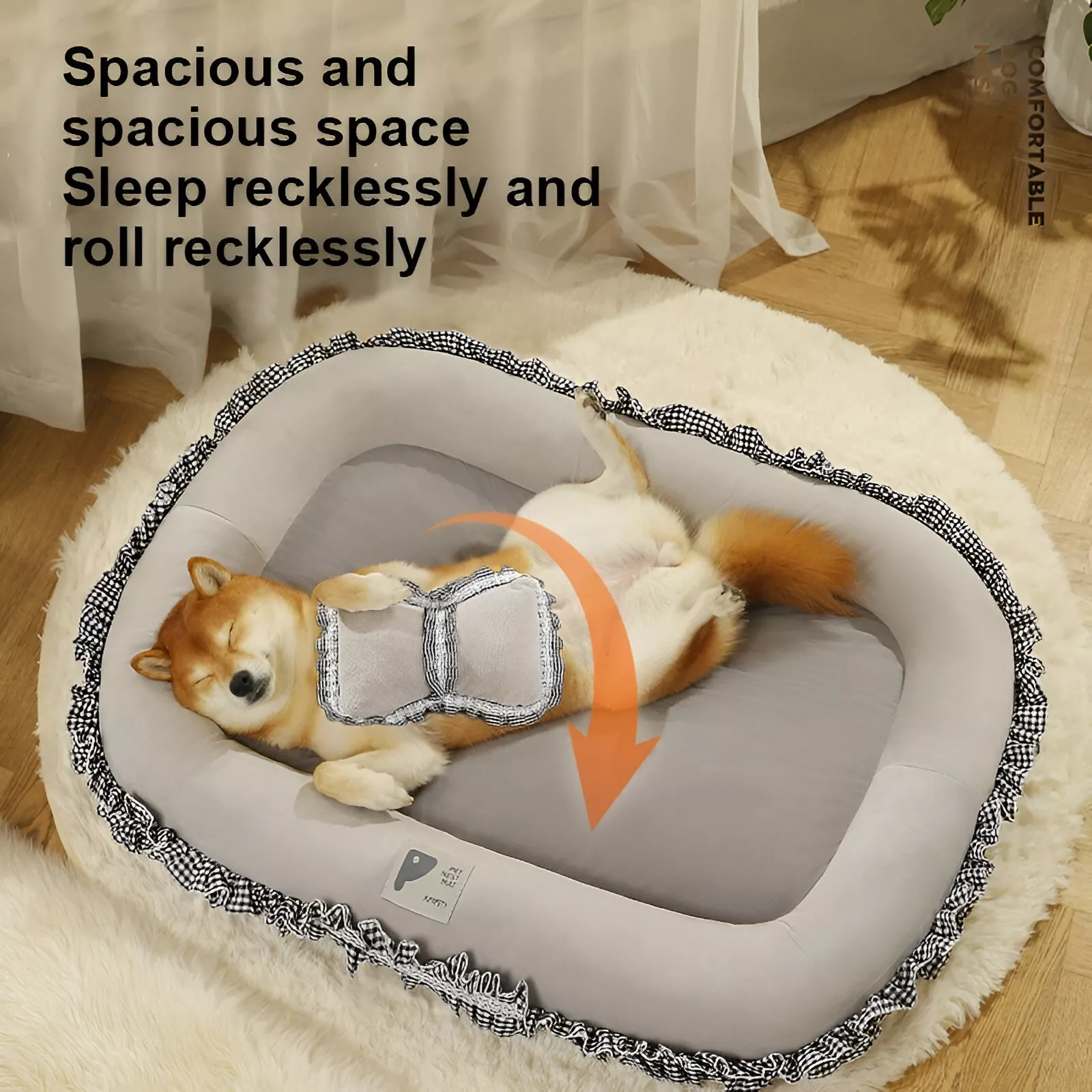 Cozy Warm Dog & Cat Bed Soft passive warmth for a sunny indoor retreat. US $24.51 |
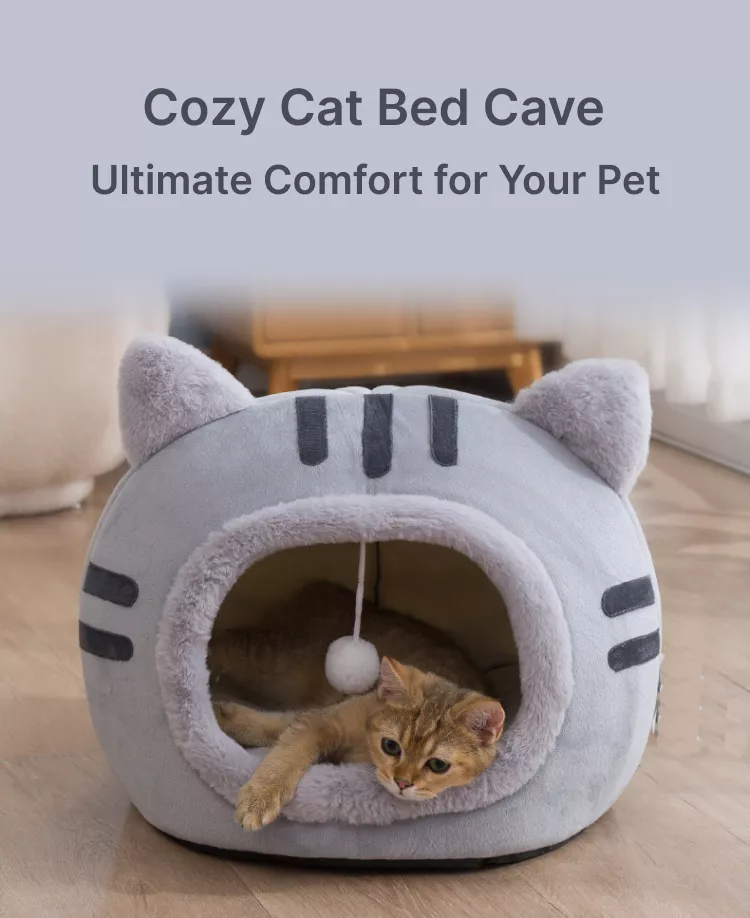 Cozy Cat Bed Cave Enclosed comfort for glass-room drafts. US $38.51 |
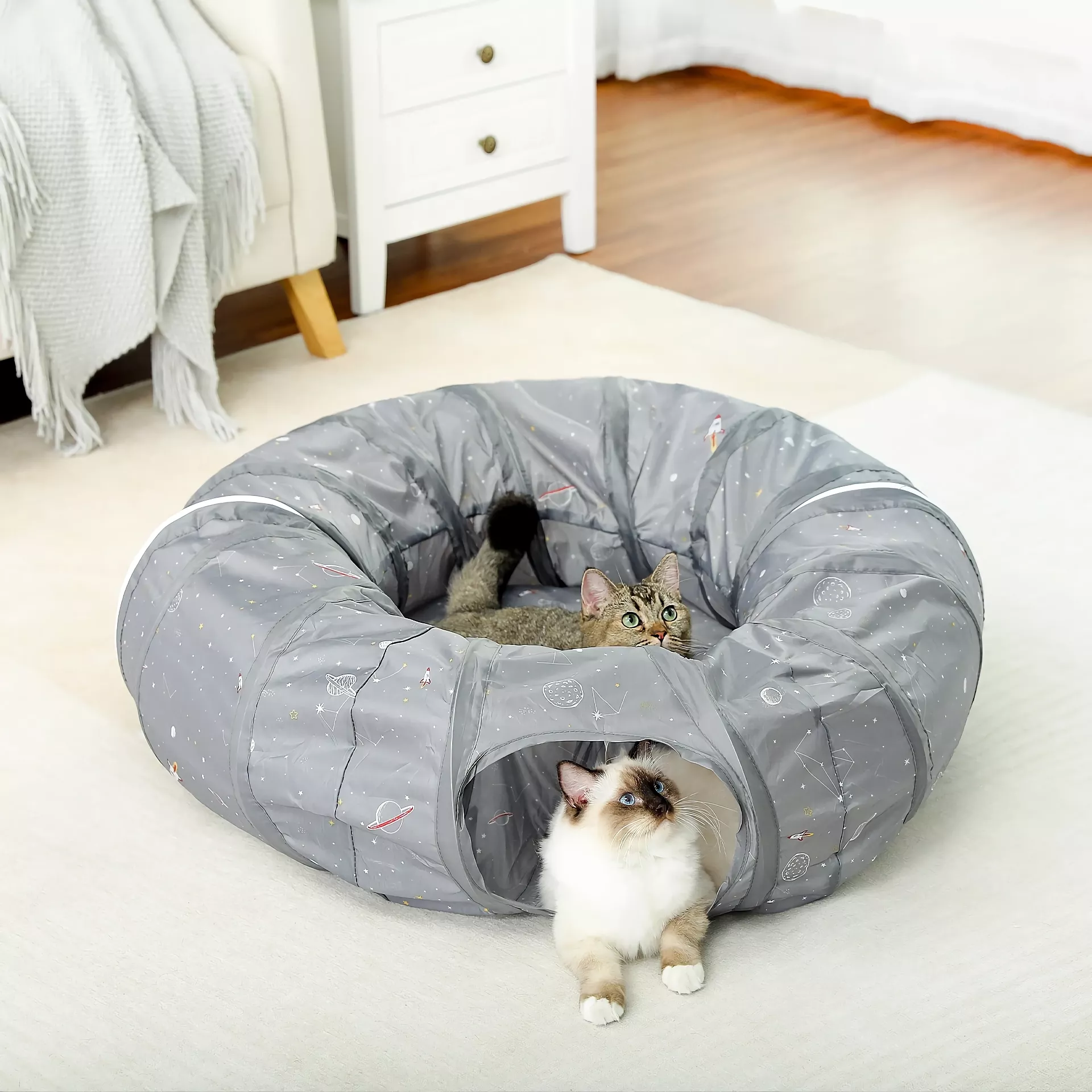 Collapsible Cat Tunnel with Mat A sunny-room play and rest option. US $43.82 |
