

Best Cat Beds for Senior Cats That Get Cold: Winter Warmth Guide
Older cats feel the cold in a way their younger housemates never do. The metabolism slows, muscle mass thins, the circulation that once warmed ears and paws reliably starts to lag, and the joint stiffness that comes with age makes every cold surface feel worse. A senior cat that once shrugged off a winter floor now seeks the radiator, the laundry pile, and the warm lap — and keeps returning to whichever spot holds its heat. A bed built for that stage of life is one of the kindest things you can put in the house, and it needs more than a warm cover. In this guide, we'll cover why senior cats get cold more easily, the features that matter in their winter bed, the styles that work best, and how to place and care for the bed through the season.
This guide builds on work we've done before: the joint-support priorities in our senior cats with arthritis guide, the season-specific designs in the warm cat beds for winter guide, and the temperature thresholds in how cold is too cold for cats indoors. If you're unsure whether your older cat is actually uncomfortable, the signs an indoor cat is too cold is the place to start, and the heat-source choice is compared in our heated vs. self-warming cat beds guide.
Why Senior Cats Feel the Cold More
Aging changes a cat's heat economy from several directions at once. Muscle is the body's furnace, and cats lose muscle mass as they age, which lowers the amount of heat they generate simply by existing. Circulation to the extremities weakens, so the ears, paws, and tail — the body's radiators — run cooler and feel the floor's chill sooner. The coat can thin or lose density with age, and the fat layer beneath it often shifts too, so the insulation a middle-aged cat relied on quietly erodes. Add the joint stiffness that comes with arthritis, and cold stops being a preference question: cold surfaces actively hurt stiff joints, and a cat that has to curl tighter to stay warm wakes up sorer than it went to sleep.
The behavior follows. A senior cat spends more hours resting — often fourteen or more a day — and chooses its resting spots conservatively: warm, low-effort, close to the household. The risk is that the cat's favorite warm spot, like the radiator shelf or the sunny sill, disappears the moment the sun moves or the heating switches off. A dedicated warm bed fills that gap with a heat source the cat controls, and the earlier in the season it's introduced, the more the cat treats it as home territory by the time deep winter arrives.
What to Look For in a Bed for a Senior Cat
The best winter beds for older cats combine warmth, low effort, and joint support:
- A low, easy entry. Stiff hips and knees make hopping a chore; the bed should be a walk-in, not a climb — the priority from our arthritis guide.
- A self-warming thermal layer. Reflective lining returns the cat's own body heat with no cord, no hum, and no switch — the gentlest heat source for a sensitive sleeper.
- A thick insulating base. The floor pulls heat downward, and an older body loses the tug-of-war faster than a young one.
- Firm, even support. A dense foam base supports aging joints instead of letting them sink into loose stuffing.
- Soft, warm lining. Plush or fleece holds warmth against the coat and is gentle on thinning skin and older fur.
- Tall but reachable walls. Raised edges block drafts and give a cat something to lean against without requiring effort to get in.
- A non-slip bottom. A bed that slides under a stiff-legged cat is a bed it learns to avoid.
- A washable cover. Senior coats shed more and groom less; the cover needs to be machine-washable.
If your senior cat also has arthritis, the bed choice in our senior cats guide covers the orthopedic side in depth, and the layering logic in our self-warming pet pad guide adds warmth to a bed the cat already loves.
The Best Bed Styles for Senior Cats That Get Cold
Low-entry orthopedic beds for stiff joints
The single most important design choice for an older cat is the entry. A bed with a high wall forces a stiff cat to hop, and a cat that finds the bed hard to enter simply stops using it. A low-entry orthopedic bed solves this with an open front side and a firm, even foam base: the cat walks in, the joints rest on supportive foam instead of sinking, and the warm lining holds body heat where it's needed. Warmth is genuinely therapeutic for arthritic joints, and an even surface is preventive care for the hips and spine. For a senior cat that has started hesitating before jumping onto its usual spots, this is usually the bed that changes the winter.

Walk-in warmth for stiff joints — shop the Winter Warm Pet Bed
Self-warming pads and bolster beds for steady heat
A senior cat's smaller heat output makes a thermal layer especially valuable: the bed works with what the cat has, reflecting resting body heat back instead of letting it drain away. A bolster bed lined with a self-warming pad adds the best of both designs — low walls for leaning and draft-blocking, an open top for easy access, and a thermal surface that warms the moment the cat lies down. The low sides matter more than they look: an older cat often likes to stretch partially out of the bed, and a bolster lets it rest its head on the rim while keeping the body warm. Our guide to the heated vs. self-warming choice explains when added electric heat is worth it for frail cats.

Steady, silent warmth for older sleepers — see the details
Cave beds for the deep-winter burrow
In the coldest weeks, even a warm bed can lose the room's battle, and a cave bed is the senior cat's answer: an enclosed chamber that holds a small pocket of air the cat heats itself, with a roof that stops warmth escaping upward. For older cats that have become more security-minded with age, the enclosed shape has a calming benefit too — a single entrance to watch, darkness, and sides that muffle the household. Choose a cave with a firm, low-entry base or a removable top so the cat never has to jump, and place it where the household is quietest. Our guide to warm cat beds for winter compares cave, donut, and pad designs in detail.

A warm burrow for deep winter — shop the collection
Placement: Where a Senior Cat's Bed Belongs in Winter
Placement matters as much as the bed for an older cat. Put it in the room where the household gathers, on a rug rather than bare floor, out of the path of exterior doors and drafty hallways, and close to the cat's existing favorite resting spot so the transition feels natural. A spot that holds warmth through the day — near, but not against, a radiator — is ideal, and the afternoon sun path is worth observing before you decide. Keep water and the litter box on the same floor, because a senior cat's willingness to travel shrinks in the cold, and our cold floors guide covers the rug layering that keeps every stop along the way warm. For room-by-room planning, our winter bed setup guide works just as well for cats.
Our Top Pick for Senior Cats
Our top recommendation is a plush, self-warming bed with a low, easy entry, tall soft walls, a thick insulating base, and a washable faux fur cover — the design that answers every requirement on the senior list: warmth that starts without a switch, support for stiff joints, an entry that asks nothing, and a snug footprint that holds the heat an older cat produces. Pair it with a thermal pad on the coldest nights and the bed flexes with the weather.

Shop the Winter Warm Pet Bed — the top pick for senior cats this winter
Quick Buying Checklist
Before you order, run any senior-cat bed through this list:
- Low, easy entry — a walk-in, not a climb
- Self-warming thermal lining — no cord, no hum
- Thick insulating base that blocks the floor's cold pull
- Firm, even support that doesn't sink under stiff joints
- Soft plush or fleece lining gentle on thinning skin
- Walls that block drafts without blocking access
- Removable, machine-washable cover
- Non-slip bottom so the bed never shifts
- Snug footprint that holds the cat's body heat
- Placement in the cat's favorite warm spot, on a rug, away from drafts
Caring for a Senior Cat's Bed Through Winter
A senior cat spends more hours in its bed than a young cat ever will, so the cleaning rhythm matters. Vacuum the bed every few days, wash the cover every one to two weeks, and dry it fully so the fill stays supportive — our guide to washing a round fur pet bed without ruining the fluff walks through the full routine. Check the cover's seams and the base's firmness monthly: an older cat's bed compresses faster under more hours of use, and a saggy base works against the very joints the bed exists to protect. Keep a spare cover in rotation so the bed is never out of service on wash day.
Related Articles
- Best Cat Beds for Senior Cats with Arthritis
- Best Warm Cat Beds for Winter: Self-Warming, Cave & Donut Guide
- Best Cat Beds for Cold Floors: Warmth for Tile & Hardwood Winters
- Heated vs. Self-Warming Cat Beds: Which Does Your Cat Need?
- Do Cats Feel Cold? Signs Your Indoor Cat Is Too Cold in Winter
Frequently Asked Questions
Do senior cats really feel the cold more?
Yes. Aging reduces muscle mass, thins the coat, and slows the circulation that warms the ears and paws, so an older cat generates and keeps less heat than it used to. Cold also worsens the joint stiffness that many senior cats carry, which is why warmth for an older cat is comfort and therapy at the same time.
What is the warmest safe bed for an older cat?
A self-warming bed with a thick insulating base and warm lining is the safest all-round choice, because it recycles the cat's own body heat with no cord and no switch. For a frail or arthritic cat, a low-entry orthopedic bed with a thermal layer is usually the best single purchase, and a certified heated pad can be added underneath on the coldest nights.
My senior cat won't climb into beds anymore — what should I look for?
Look for a genuinely low entry: an open front side the cat can walk into without hopping, a firm base at floor level, and walls that start low at the front and rise toward the back. Place the bed where the cat already rests. A bed that requires effort is a bed an arthritic cat will abandon, however warm it is.
Should a senior cat's bed go near the radiator?
Near, not against. A bed placed close to a radiator picks up steady warmth, but direct contact can overheat a resting cat and dry its skin, and the heat disappears when the radiator switches off. A spot that holds warmth through the day, on a rug and out of drafts, serves an older cat better than the hottest spot in the room.
Warm Winters for the Oldest Member of the Household
A senior cat gives the winter its best effort — more rest, less wandering, a careful search for every warm spot in the house. Give that search an answer: a low, warm, supportive bed placed where the household gathers, with a thermal layer that starts the moment the cat lies down. The cold months stop being something your cat endures and become the season of the long, warm nap they were always looking for.
More From the Winter Warm Pet Bed Collection
All three beds below come from our Winter Warm Pet Bed collection — plush, heat-reflective, and machine-washable, sized for every pet from the smallest cat to the largest dog.
 |
 |
 |
Shop the full Winter Warm Pet Bed collection
Picks From Our Friends at RuleNo
Three winter picks from the RuleNo store that pair perfectly with a warm senior-cat season:
 Odor-Free Stainless Steel Cat Litter Box A hygienic stainless steel litter box that keeps the indoor routine easy and odor-free. US $61.51 US $191.52 |
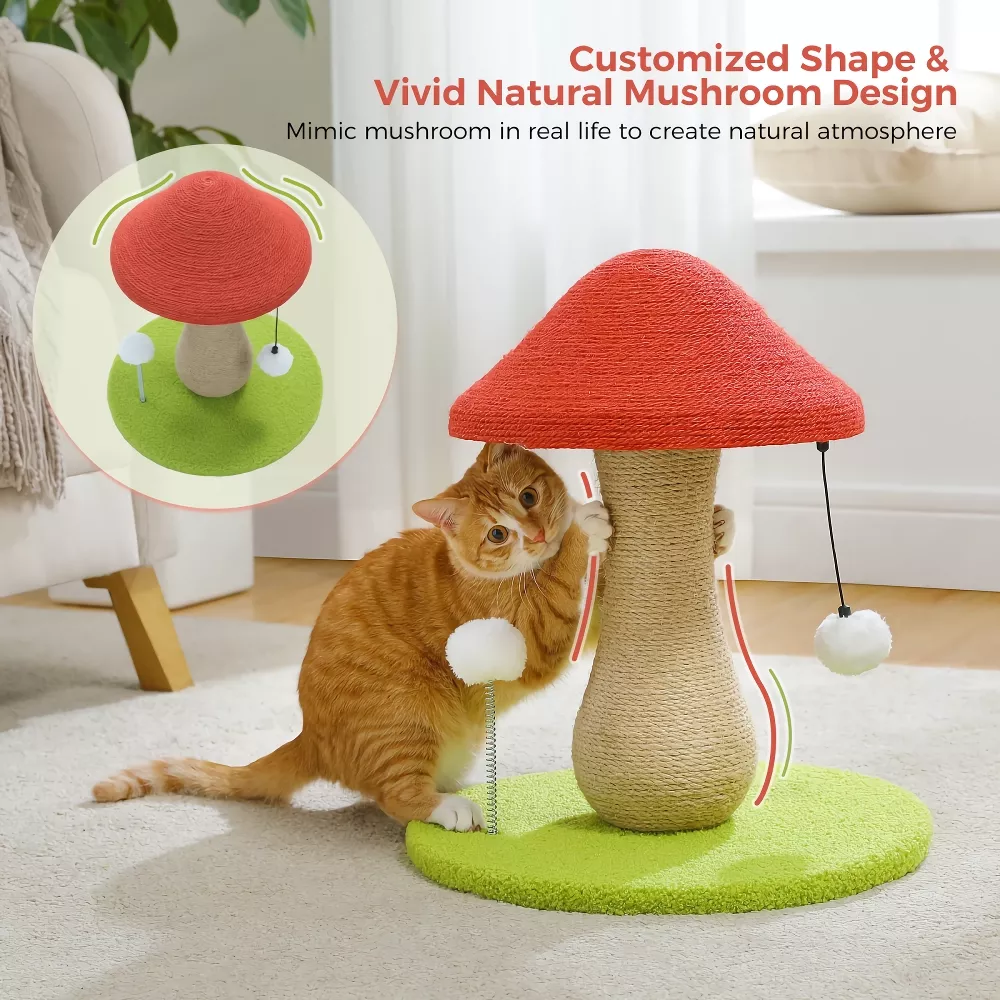 Cat Scratching Post with Natural Sisal Rope for Kittens A natural sisal scratching post sized for gentle stretching that keeps senior joints moving. US $32.51 US $88.81 |
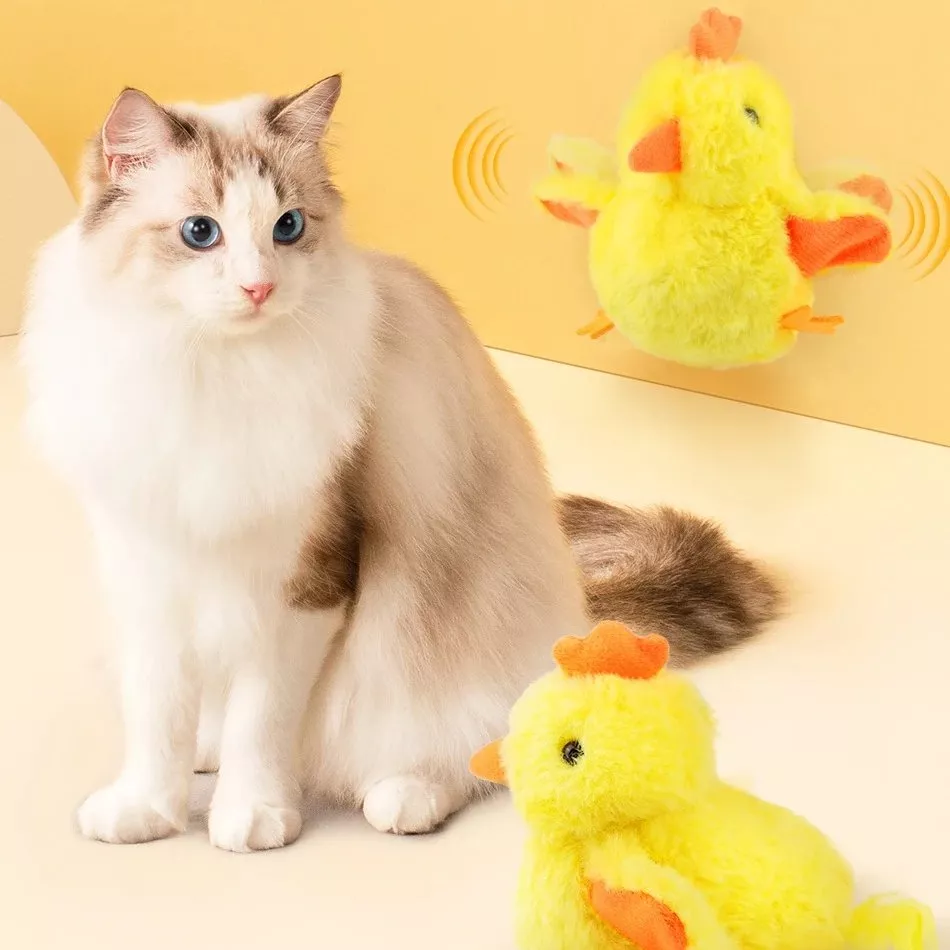 Interactive Flapping Chick Cat Toy with Realistic Sounds & Remote Control A gentle interactive toy that draws a senior cat into light, low-effort play between naps. US $9.01 US $34.65 |
