

Heated vs. Self-Warming Cat Beds: Which Does Your Cat Need?
Cats spend most of the winter hunting for heat, and pet stores offer two very different ways to give it to them: heated beds that warm the cat from an external power source, and self-warming beds that recycle the cat's own body heat. Both work. Neither is right for every cat, and the differences — in safety, cost, noise, and the kind of warmth each delivers — matter more for cats than for dogs, because cats are small, heat-sensitive, and choosy. In this guide, we'll compare the two designs head to head, explain how each one works, and give you a clear way to decide which one your cat actually needs this winter.
The same comparison exists for dogs in our heated vs. self-warming dog beds guide, and the cat version here leans on work we've done before: the full winter warm cat bed guide, the safety walkthrough in how to choose a safe heated pet bed, and the no-electric technology explained in our non-electric self-heating bed guide. If your cat's main problem is a cold floor rather than the room in general, our cat beds for cold floors guide covers that angle in depth.
Why the Heat Source Matters for Cats
Cats are small. A 10-pound cat has a fraction of the body mass that a large dog uses to hold warmth, which is why cats seek radiators, laptops, sun patches, and laps with such determination. The same smallness cuts the other way, too: a cat resting on a surface that is too warm cannot cool itself as effectively as a dog, and flat-faced breeds and senior cats are particularly quick to overheat. The right bed is not simply the warmest one — it's the one whose heat matches the cat, the room, and the hours the cat sleeps.
There's a safety dimension as well. A heated bed plugs into the wall, and its wiring, thermostat, and timer are all things a buyer needs to evaluate. A self-warming bed has no power at all, which removes that entire category of risk. Neither design is unsafe when it's well made and used correctly, but the checklist you run through before buying is different for each, and the section below splits them out.
What to Look For in Any Warm Cat Bed
Whatever the heat source, a winter cat bed should have these features:
- A thick insulating base. Floors and windowsills pull heat away from the body; a warm surface above a cold base loses the battle at the bottom.
- Soft, raised walls. Walls trap still air and block drafts, and still air is one of the best insulators in the room.
- A washable cover. Hair and dander build up fast in winter; the cover needs to come off and go into the machine.
- A non-slip bottom. A cat leaping in or out should not slide the bed across a smooth floor.
- A snug footprint. Most cats prefer a bed roughly 18 to 20 inches across — big enough to curl, small enough to hold warmth.
- Coat-friendly fabric. Smooth plush and fleece don't snag claws or mat fine fur, and they hold warmth without weight.
If your cat is older or stiff, the bed also needs a low, easy entry — the priority covered in our senior cats with arthritis guide. And if your cat sleeps twelve or more hours a day on a hard surface, pair the bed with the layering advice in our self-warming pet pad guide.
Self-Warming Beds: Heat That Starts With the Cat
A self-warming bed uses a reflective thermal layer woven into its fabric that returns the cat's own body heat instead of letting it sink into the padding. There's no cord, no outlet, no switch, and no noise — the warmth is ready the instant the cat lies down, and it disappears the moment the cat leaves, which is exactly how a cat's own heat budget works. For healthy adult cats, this design is the default: it delivers real, perceptible warmth with zero safety concerns, it works in any room without an outlet, and it costs nothing to run. Its limits are real too — it amplifies a resting cat's heat rather than adding heat from outside, so a cold cat just coming in from the yard, or a frail senior that struggles to generate warmth, may need more than a self-warming layer can return.

No cords, no noise, just warmth — shop the Winter Warm Pet Bed
Heated Beds: Thermostat-Controlled Warmth
A heated bed warms the sleeping surface from an external source, usually a low-voltage element under the cushion with a thermostat or timer on the cord. It adds heat that the cat doesn't have to generate — genuinely useful for senior cats, hairless breeds, kittens, cats recovering from illness, and cold rooms that no amount of reflected body heat can overcome. The trade-offs are the ones you'd expect: it needs a safe outlet placement, a chew-resistant cord, a thermostat or timer you trust, and a household willing to leave it plugged in. Our safe heated pet bed guide walks through the certifications, the low-voltage standards, and the nightly habits that make an electric bed a safe one. Used correctly — on a hard surface, with the thermostat working, and with a space for the cat to leave the warmth when it wants — a heated bed is the stronger tool for the coldest cases.

Steady, controlled warmth for cold rooms — see the details
The Hybrid Setup: A Thermal Pad Inside a Bolster Bed
The strongest winter setup for many cats combines both ideas: a bed with tall insulating walls, topped by a removable self-warming pad, with a heated pad dropped in only on the coldest nights. The walls do the draft work, the thermal layer returns resting heat for free, and the electric element becomes a supplement rather than a constant — used when the room is coldest, removed when it isn't. This is the gentlest way to give a senior cat extra warmth, because the bed's shape never changes: the cat keeps its familiar spot while the warmth underneath it flexes with the weather. Our guide to whether cats need blankets in winter covers the same layering logic for cats that won't give up their existing bed.

Layer warmth the way your cat needs it — shop the collection
Which Does Your Cat Need?
The decision comes down to the cat and the room. A healthy adult cat in a house that holds its temperature does well with a self-warming bed — the reflected heat matches its own output and asks nothing of the outlet. A senior cat with stiff joints, a hairless breed, a young kitten, or a cat that struggles to stay warm gets more from a properly certified heated bed, because added heat genuinely eases stiff joints and compensates for a body that can't generate as much warmth as it used to. A cat that sleeps in a cold basement, an uninsulated sunroom, or a room with a big draft benefits from either design plus good placement. And if the budget allows only one purchase this winter, buy the insulated, self-warming bed first and add a heated pad later if the season demands it — the bed does the insulating work either way.
Our Top Pick for Cats
Our top recommendation is a plush, self-warming bed with tall soft walls, a thick insulating base, and a washable faux fur cover — the design that answers the safety question at its root while delivering real, cat-visible warmth. It covers every requirement on the list: insulation from below, still-air walls that block drafts, reflective warmth that needs no electricity, and a snug footprint that matches a cat's curled sleeping posture, with the option to add a heated pad underneath on the coldest nights.

Shop the Winter Warm Pet Bed — the top pick for warm cats this winter
Quick Buying Checklist
Before you order, run any warm cat bed through this list:
- Thick insulating base that blocks the floor's heat pull
- Self-warming reflective lining — no electricity, no noise
- For heated beds: thermostat or timer, low-voltage element, chew-resistant cord
- Soft, tall walls that trap still air and block drafts
- Snug 18 to 20 inch footprint that concentrates warmth
- Removable, machine-washable cover
- Non-slip bottom for tile and hardwood
- Low, easy entry for senior or arthritic cats
- Coat-friendly fabric that doesn't snag claws
- Placement in the cat's preferred spot, away from drafts and moisture
Caring for a Warm Cat Bed Through Winter
Winter is hair-and-dander season, and a bed that sleeps in daily needs a weekly rhythm. Vacuum the bed every few days, wash the cover every one to two weeks, and dry it fully so the fill stays lofty — our guide to washing a round fur pet bed without ruining the fluff walks through the full routine. For heated beds, inspect the cord and plug monthly, keep the element flat with nothing heavier than a cat on it, and unplug the bed when it's not in use. For self-warming beds, the only enemy is compression: a thermal layer flattened over time loses its reflectivity, so rotate the pad and replace it when it stops springing back.
Related Articles
- Heated vs. Self-Warming Dog Beds: Which Does Your Dog Need?
- Best Warm Cat Beds for Winter: Self-Warming, Cave & Donut Guide
- Best Cat Beds for Cold Floors: Warmth for Tile & Hardwood Winters
- How to Choose a Safe Heated Pet Bed for Winter
- Best Cat Beds for Senior Cats with Arthritis
Frequently Asked Questions
Are heated cat beds safe?
Yes, when they're well made and used correctly. Look for a low-voltage element, a thermostat or timer, a chew-resistant cord, and a solid safety certification, then place the bed on a hard surface and unplug it when it's idle. Our safe heated pet bed guide covers the full checklist. The cats that should skip the electric option — chewers, cats that scratch cords, or households with unpredictable wiring — do best with a self-warming design.
Do self-warming cat beds actually work?
They work by reflecting the cat's own body heat back instead of letting it sink into the padding. A resting cat radiates plenty of warmth, and a thermal-lined bed returns a noticeable share of it — which is why cats settle on them so quickly. What they don't do is add heat from outside, so a cold, stiff, or frail cat may need a heated bed instead.
What is the warmest type of cat bed?
A heated bed with a working thermostat produces the highest surface temperature. For most cats, though, the warmest practical setup is an insulated bed with a self-warming lining — walls and a thick base hold the heat the cat already makes. On the coldest nights, a heated pad placed inside that insulated bed beats either design used alone.
My cat ignores new beds — how do I get them to use it?
Place the bed where the cat already sleeps, and let it season the bed with the cat's own scent before washing it. A favorite blanket or a dusting of catnip on the surface speeds adoption. Cats choose beds by temperature and habit together, so a warm bed in the cat's existing favorite spot beats a warm bed anywhere else.
Warm Cats, Whatever the Power Source
The best winter bed is the one whose warmth matches your cat: reflected heat for the healthy curler, controlled electric warmth for the senior or the cold-sensitive, and a layered setup for the cat that needs both. Choose a snug, insulated bed with a washable cover, place it where your cat already naps, and the season's coldest hours become the warmest spot in the house — exactly where your cat intended to spend them.
More From the Winter Warm Pet Bed Collection
All three beds below come from our Winter Warm Pet Bed collection — plush, heat-reflective, and machine-washable, sized for every pet from the smallest cat to the largest dog.
 |
 |
 |
Shop the full Winter Warm Pet Bed collection
Picks From Our Friends at RuleNo
Three winter picks from the RuleNo store that pair perfectly with a warm cat season:
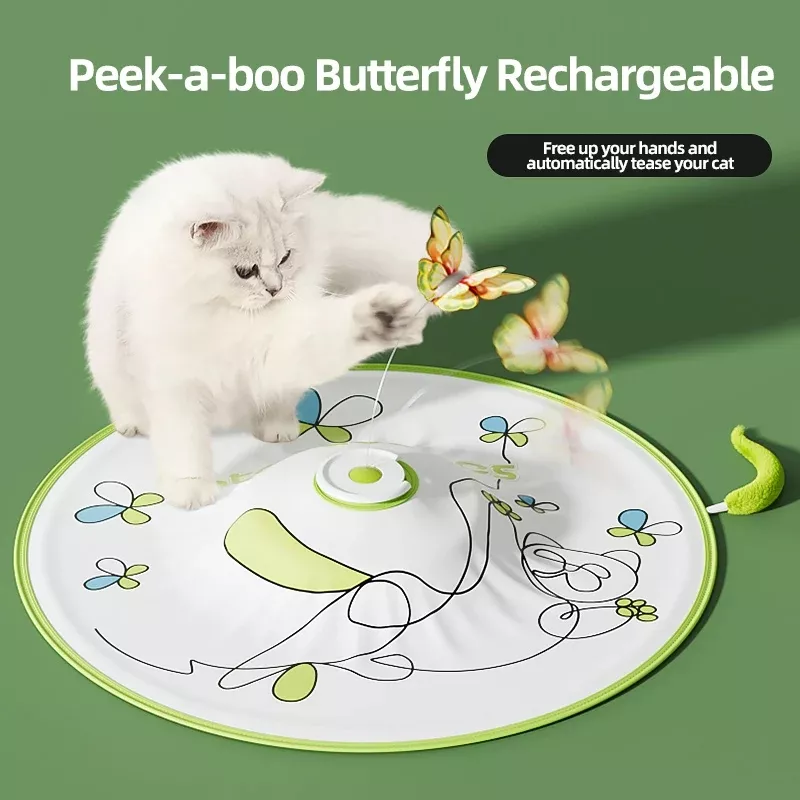 Interactive Cat Toy An interactive toy that burns off winter energy indoors, so naps land in the warm bed. US $28.51 US $66.46 |
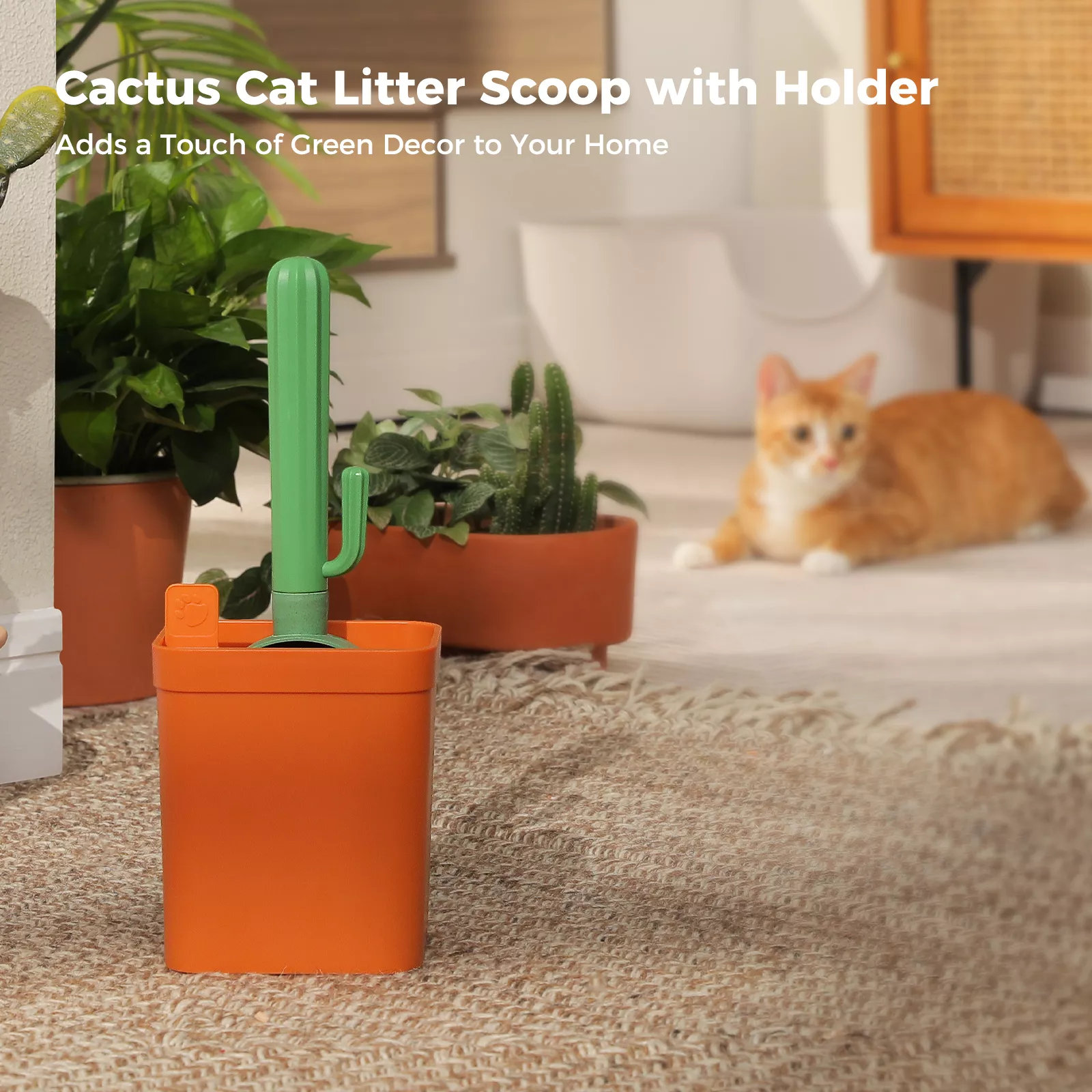 Cactus Cat Litter Scoop with Storage A cactus-shaped litter scoop with built-in storage that keeps the winter indoor routine tidy. US $20.51 US $42.49 |
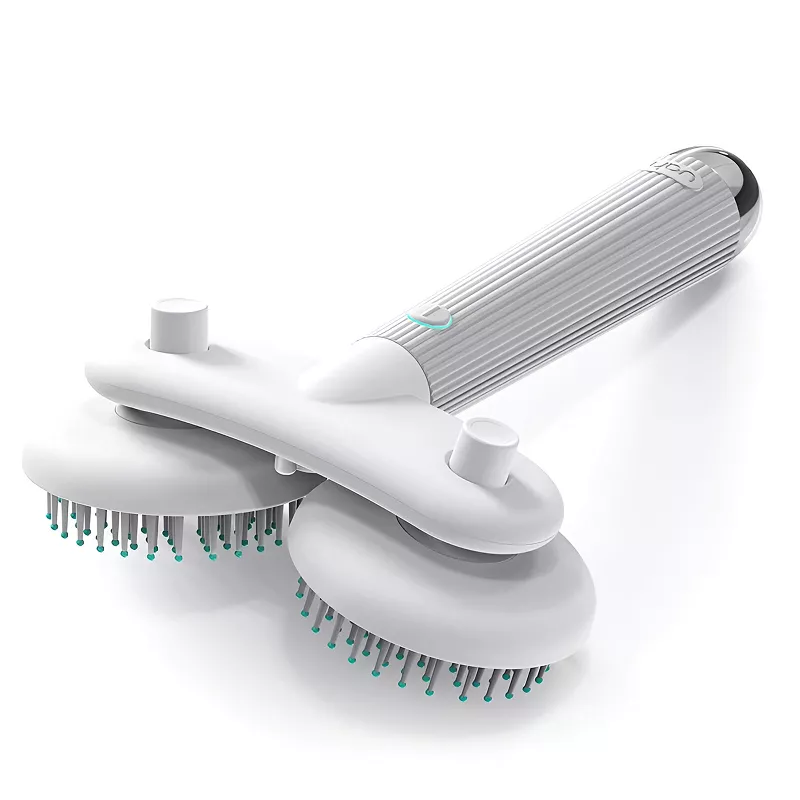 Cat Grooming Slicker Brush with Negative Ions for Shedding & Grooming A negative-ion slicker brush that tames winter shedding before it lands in the bed. US $53.51 US $96.49 |
