

Best Cat Caves for Winter: The Complete Warm Hideaway Guide
When the first hard frost arrives, most cats stop sprawling in the middle of the floor and start hunting for cover. They slide behind the couch, curl inside the laundry basket, and burrow under the duvet — anywhere the cold air cannot reach them. That instinct is not a quirk; it is a den animal's answer to winter. An enclosed bed is the furniture version of that answer: walls that block drafts, a roof that traps the cat's own body heat, and a single entrance the cat controls. A good cave bed is one of the warmest things you can offer a cat without plugging anything in, and in this guide we'll cover why cats crave caves in the cold, what separates a genuinely warm cave from a drafty novelty, the three styles worth knowing, and how to place and care for one all season.
This guide draws on the rest of our winter cat cluster: the enclosed designs in our covered cave pet bed guide, the season's full lineup in the warm cat beds for winter guide, and the heat-source comparison in heated vs. self-warming cat beds. If you're not sure how much cold your cat is actually feeling, start with the 10 signs a cat is cold, and if hard floors are part of the problem, the cold floors guide covers the base layer underneath the cave.
Why Cats Crave Caves in Winter
Cats are den dwellers by ancestry. Their wild relatives rest in shallow dens, hollow logs, and rock crevices — spaces with a roof, walls, and one entrance to watch. A house cat carries the same instinct: when the temperature drops, the preference for open, flat surfaces gives way to a preference for cover. You see it in the way a winter cat chooses the cardboard box over the cushion and the closet over the center of the bed. A cave bed gives that instinct a purpose-built object, and the cat that ignores its open bed in December often sleeps in a covered one for hours at a stretch.
There is real physics behind the comfort. A resting cat produces a steady trickle of body heat, and an open bed lets it drift away on air currents while the floor pulls warmth from below. An enclosed bed reverses the equation: the roof blocks the vertical escape route, the walls stop drafts, and the smaller interior means the air pocket around the cat warms quickly and stays warm. Because the cat is the heat source, nothing needs a cord, a timer, or supervision — and nothing overheats while the cat sleeps. For a species that rests through the coldest hours, that self-sustaining warmth is the whole point of the design.
What to Look For in a Winter Cat Cave
The best winter caves share a specific set of design features:
- A self-supporting roof. The cave should hold its shape with nothing inside it; a roof that collapses against the cat's back will be rejected, however warm the fabric.
- Thick insulating walls. Dense felted wool or plush walls keep the interior air pocket warm and stop the room's chill from seeping in.
- A warm, firm base. The floor pulls heat downward, so the underside needs real insulation plus a cushion that keeps the cat off the cold surface.
- A snug footprint. The interior should hug the cat's curled body — a large, empty chamber loses heat as fast as an open bed, so size the cave to the cat, not the room.
- An entrance that reassures. A smaller opening with a solid rear wall lets the cat watch the room while feeling enclosed.
- A self-warming lining. A thermal or plush lining reflects resting body heat back at the cat — the gentlest heat source a covered bed can offer.
- A washable cushion. Enclosed spaces hold scent, so the inner cushion should be removable and machine-washable.
- Breathable fabric. Warm and sealed are different things; wool and breathable plush hold heat without trapping moisture the way plastic domes can.
- A non-slip base. A cave that slides when the cat steps in teaches the cat to avoid it.
If your cat is unusually cautious about covered spaces, the same entrance rules apply that work for anxious cats in our anxious cat guide: one entrance, facing the room, with the cave placed so the cat can see its territory from inside.
The Best Cat Cave Styles for Winter
Classic dome and igloo caves for deep-winter burrowers
The dome or igloo is the archetypal cat cave: a rounded, self-supporting shell with a round entrance and a deep, soft interior. Felted wool is the standout material because it insulates like the natural dens cats would choose; plush and microfiber versions do the same job at friendlier prices. The shape is more than cozy — the curved roof leaves no draft corners, and the compressed footprint means the cat's own warmth fills the space within minutes of lying down. This is the style for the cat that burrows under blankets in January and reappears only for meals: the closest thing to a den you can put on a living room rug.

Den-grade warmth for burrowers — shop the Winter Warm Pet Bed
Enclosed condo pods for multi-cat households
In a home with more than one cat, a single dome becomes exactly the contested territory that ends with nobody using it. An enclosed condo tower solves the politics: two or three hooded pods at different heights, each a private chamber with its own entrance, plus an open perch on top for the cat that wants warmth with a view. The pods work thermally the way a dome does — walls, roof, and a snug interior — while the vertical spacing lets cats share the warmest corner of the room without sharing the bed itself. In winter, cats trade the high perch at midday for the enclosed pods at night, and a condo gives them both options in one footprint.

Private, hooded warmth for every cat in the house — see the details
Low-entry cave beds for seniors and kittens
The classic dome asks for a hop, and that hop is exactly what a stiff senior cat or a tiny kitten cannot always manage. A low-entry cave bed keeps the enclosed warmth but trades the high front wall for a walk-in opening: the roof still covers the sleeping chamber, the sides still block drafts, but the cat steps in rather than climbs. Inside, a thick cushion keeps the sleeper off the cold floor — the priority in our senior cats guide — and the shallow dome lets an older cat rest its chin on the rim and still watch the room. For a cat that has begun hesitating before jumping, this is the covered bed that actually gets used.

Walk-in warmth for the very old and very small — shop the collection
Placement: Where a Cat Cave Belongs in Winter
A cave bed works best where the cat already chooses to rest. Watch where your cat sleeps in the coldest week and put the cave there, not where it photographs well. Indoors, that usually means a quiet corner with a solid wall behind it, a rug underneath to cut the floor's chill, and enough sightline for the cat to see the room from the entrance. Cats accept covered beds fastest when the entrance faces the household's activity, and the room-by-room logic in our winter bed setup guide applies just as well to cats. Avoid a cold exterior wall or a door that opens to the outside — the goal is to wrap the cave in the room's warmth, not the weather's chill.
Our Top Pick for Cats
Our top recommendation is the plush, self-warming bed with tall soft walls, a deep insulating center, and a washable faux fur cover — the design that keeps winning our winter guides. It is not a sealed dome, and that is deliberate: most cats accept its raised-wall, draft-blocking shape immediately, it works on every floor in the house, and a thermal pad dropped inside turns it into a covered-style retreat on the coldest nights. If your cat is a committed burrower, pair it with one of the enclosed styles above; if your cat simply refuses open beds in winter, this is the one that ends the standoff.

Shop the Winter Warm Pet Bed — the top pick for cats this winter
Quick Buying Checklist
Before you order, run any cat cave through this list:
- Self-supporting roof that holds its shape empty
- Thick, insulating walls in felted wool or dense plush
- Warm, firm base that blocks the floor's cold pull
- Snug footprint sized to the cat, not the room
- One entrance, facing the room, with a solid rear wall
- Self-warming or plush lining that reflects body heat
- Removable, machine-washable inner cushion
- Breathable fabric — no sealed plastic domes
- Non-slip bottom so the cave never shifts
- Entry height matched to the cat's age and mobility
Caring for a Cat Cave Through Winter
Enclosed beds hold scent more than open beds do, so the cleaning rhythm matters. Empty and air the cave weekly, vacuum the interior with a hose attachment, and wash the inner cushion every one to two weeks — more often if the cave doubles as a hideaway for a cat with litter or food smells. Wool caves should be spot-cleaned and aired rather than machine-washed, and a cave that goes flat mid-season should be replaced rather than stuffed with a folded blanket, because a collapsed roof undoes the insulation the whole design exists to provide. Our guide to how often and how to wash every type of pet bed covers the full routine by material.
Related Articles
- Covered Cave Pet Bed for Cold Winter: The Ultimate Cozy Hideaway
- Best Warm Cat Beds for Winter: Self-Warming, Cave & Donut Guide
- How to Calm an Anxious Cat in Winter: Warmth, Enclosure & Routine
- Best Cat Beds for Senior Cats That Get Cold: Winter Warmth Guide
- Dog Bed for Burrowers: Best Cave and Nesting Beds
Frequently Asked Questions
Are cat caves actually warmer than open beds?
Yes, for most cats. An enclosed bed traps the pocket of air the cat heats with its own body, blocks drafts from three sides plus the top, and shrinks the space that needs warming. The trade-off is that a cave must be snug to work: an oversized chamber with loose stuffing loses heat about as fast as an open bed. Choose the size for the cat's curled body and the enclosed design will outperform any open cushion in the same spot.
Will my cat feel trapped in a covered bed?
Most cats settle within days when the entrance faces the room and the rear wall is solid, because the cave gives them the watch-the-territory position they prefer anyway. Introduce it with a favorite blanket and a treat inside and let the cat discover it on its own. A hesitant cat can start on a low-entry design with a wide opening, then graduate to a deeper cave once the shape feels like home.
Do I need electric heat in a cat cave?
Usually not indoors. A well-insulated cave with a self-warming lining recycles the cat's own heat and needs no cord and no supervision. A certified low-wattage heated pad can be added underneath for a senior cat, a hairless breed, or a cold room, and the safety rules in our heated pet bed safety guide cover that setup. For a healthy indoor cat, a warm cave in a warm room is enough.
How do I get my cat to use a new cave bed?
Place it where the cat already sleeps, put a blanket that smells like the cat inside, and leave it alone. Feed a treat near the entrance for the first few days and resist the urge to push the cat in — cats adopt beds on their own schedule. If the cave is still ignored after two weeks, move it a few feet toward the cat's current favorite spot; placement failures are far more common than design failures.
Warm Winters Start With a Good Den
A cat's winter wish list is short: somewhere dark, snug, and warm where nothing surprises it. A cave bed is that wish in furniture form, and it does the job with no electricity at all. Match the style to the cat — a dome for the burrower, pods for a multi-cat home, a walk-in entry for the very old or very small — and the coldest months become the season of the long, undisturbed den nap your cat has been searching for all along.
More From the Winter Warm Pet Bed Collection
All three beds below come from our Winter Warm Pet Bed collection — plush, heat-reflective, and machine-washable, sized for every pet from the smallest cat to the largest dog.
 |
 |
 |
Shop the full Winter Warm Pet Bed collection
Picks From Our Friends at RuleNo
Three winter picks from the RuleNo store that pair perfectly with a cave-warm cat season:
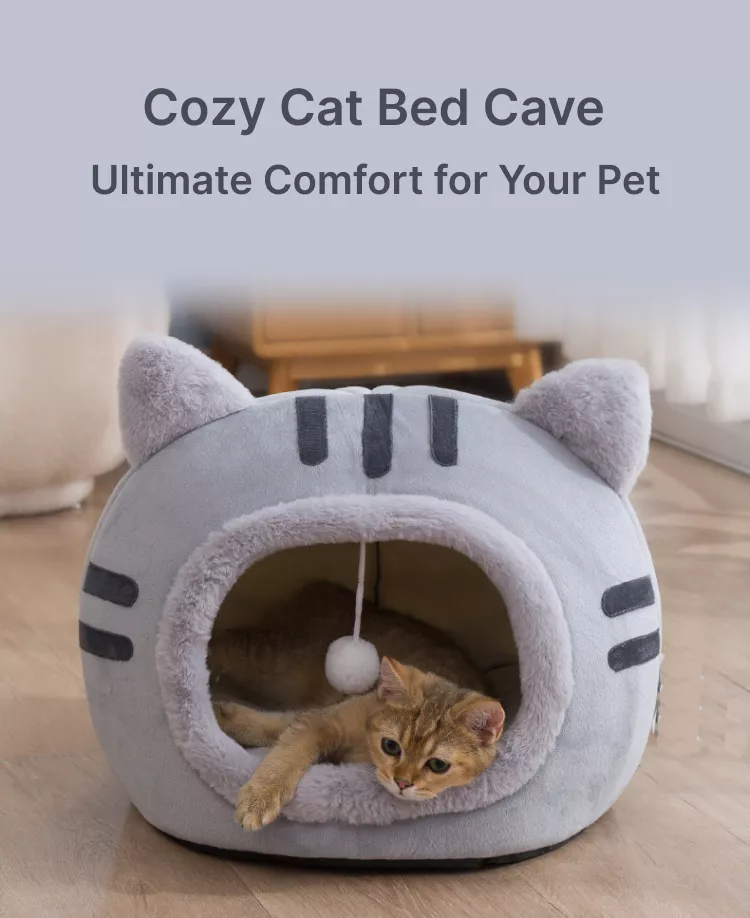 Cozy Cat Bed Cave A soft enclosed cave that traps body heat and gives winter cats the private den they seek. US $19.67 US $41.65 |
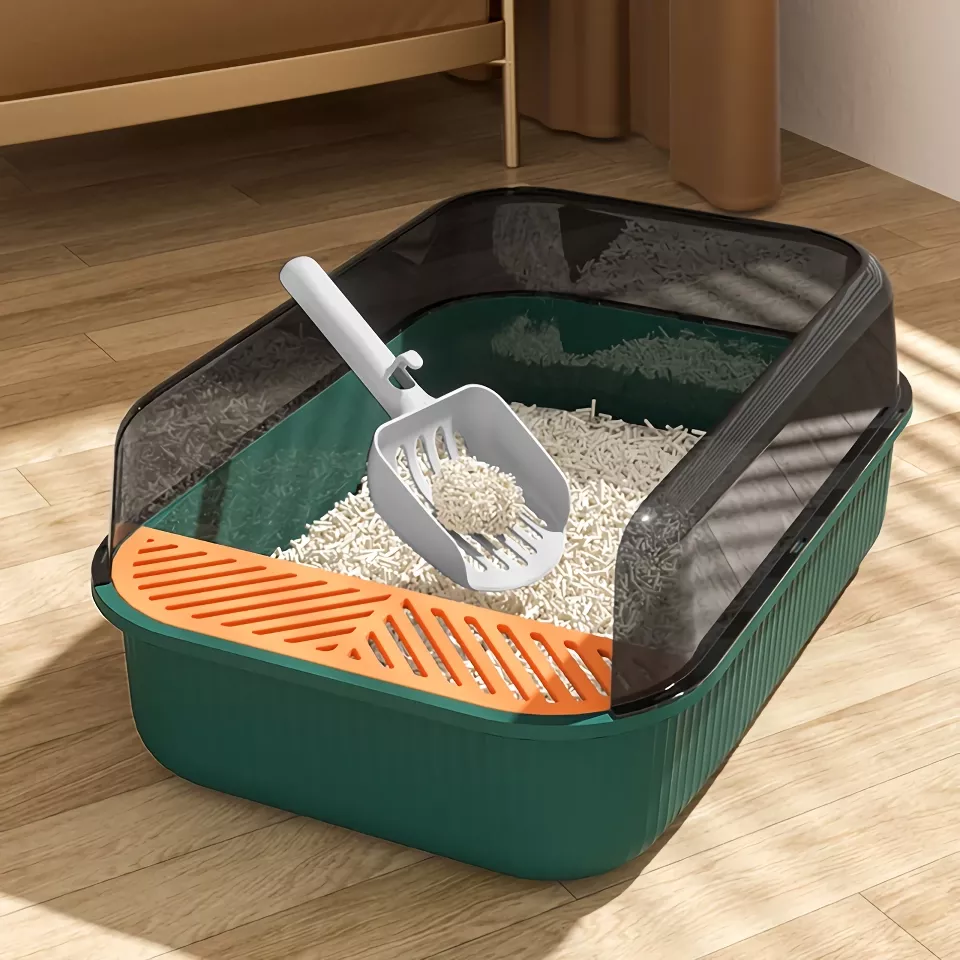 Large Capacity Semi-Closed Cat Litter Box with High Sides & Scoop A semi-closed litter box that gives privacy-loving cats a sheltered winter routine. US $30.97 US $117.90 |
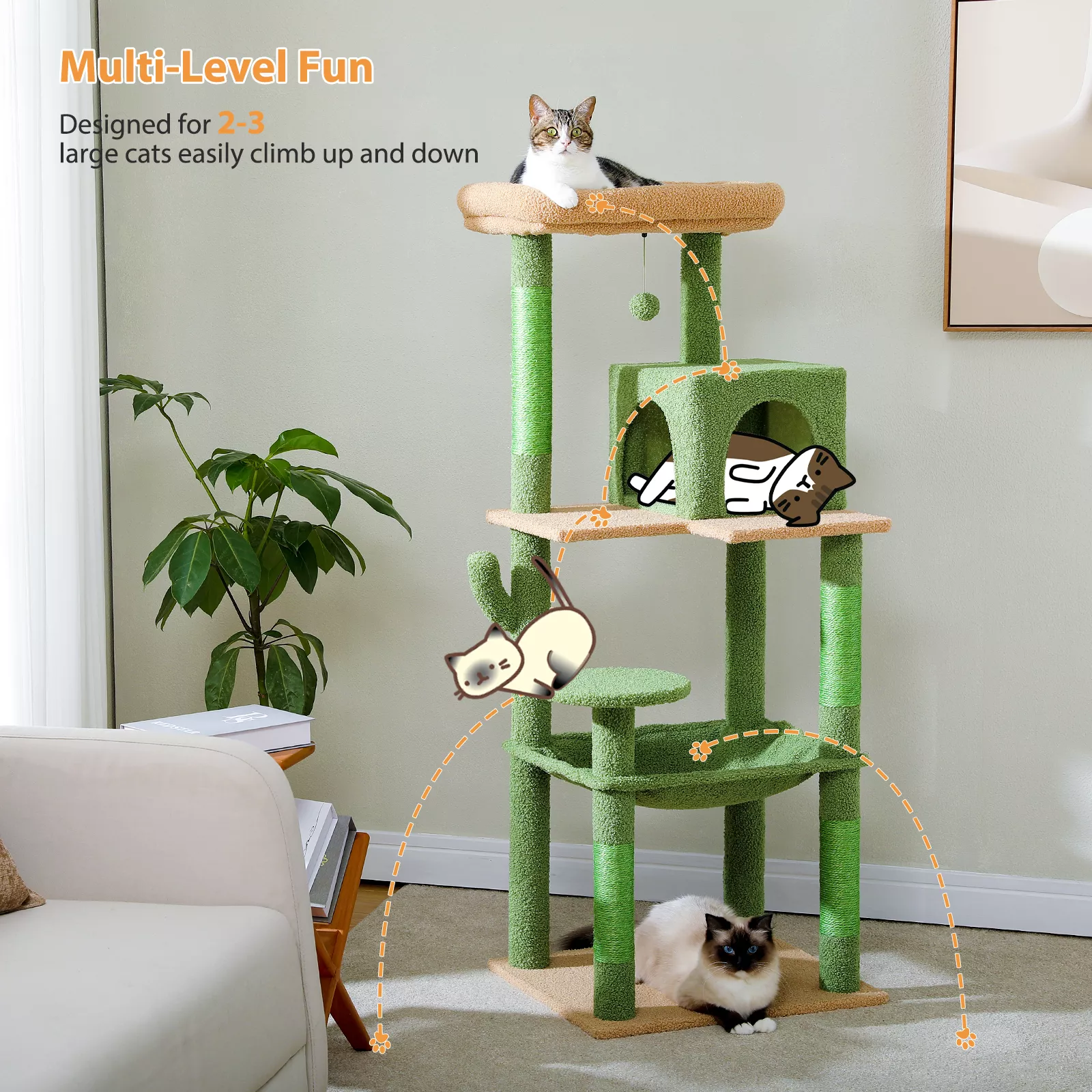 Cactus Cat Tree Tower for Large Cats with Plush Hammock & Spacious Condo A tall cat tree with an enclosed condo and plush hammock for warmth at every height. US $63.01 US $126.49 |
