

Why Does My Cat Sleep Like a Loaf? 7 Reasons and What It Means
When a cat sits with their front paws tucked neatly beneath the chest, people often call it a loaf position. Cats may use this compact posture while resting, watching the room, or settling into a familiar spot. It can look like a small furry bread roll, but the pose by itself does not tell you whether your cat is cold, worried, or unwell.
Pay attention to the whole picture: whether this is your cat’s usual position, what the room is like, and whether they move, eat, and behave as they normally do. If your cat appears comfortable, let them choose where and how to rest. A soft nearby bed can offer an additional nap spot without requiring them to change their favorite pose.
The Fast Answer
Cats may sleep like a loaf because keeping their paws beneath them feels comfortable, compact, or familiar. A tucked position can suit a quiet nap, but it is not a dependable signal of one particular emotion or temperature. Look at your cat’s usual behavior and overall posture. If a new, tense crouch appears with other signs of discomfort or behavior changes, ask your veterinarian.
The Winter Warm Pet Bed is a round faux fur bed with high-density PP cotton fill and no electricity. It comes in six colors. Current listed bundles, checked September 28, 2026, are Buy 1 for $29.99, Buy 2 for $53.98 total, or Buy 3 for $76.47 total. These are quantity bundles, not sizes.
Why Does My Cat Sleep Like a Loaf?
1. The tucked-paw position feels comfortable
Cats can settle into many positions, and a compact tuck may simply feel good to a particular cat. The front paws rest beneath the chest while the body stays upright or gently relaxed. If your cat has always rested this way and moves freely afterward, it may just be their preferred way to pause.
2. It is an easy way to rest without stretching out
A cat may choose a loaf when there is limited room on a chair, windowsill, or bed. They can stay compact while still keeping their head up to notice what is happening around them. The posture does not necessarily mean they are uncomfortable; consider whether the spot is crowded and whether a larger resting area is available.
3. They may be keeping warm in a cool room
Tucking the paws close to the body reduces how much of the cat is stretched out on a cool surface. That can be one practical reason to choose a compact rest, but the loaf position is not a thermometer and does not prove the cat is cold. Check the room, floor, drafts, and your cat’s overall comfort rather than drawing a conclusion from the pose alone.
4. They want to stay ready to move
Some cats rest with their head raised and paws tucked while watching a household activity or listening to sounds. This can be a comfortable in-between position. It does not automatically mean your cat is anxious or distrustful. Give them a clear route away and let them decide whether to keep watching or settle more deeply.
5. The resting surface encourages the posture
A raised bed rim, cushion, blanket, or narrow perch can make it natural for a cat to tuck their paws underneath. The surface may be soft, firm, or familiar. Notice whether the cat changes positions on a different surface, but do not try to force them into a stretch or a curl.
6. It has become a familiar habit
Cats often return to favorite spots and repeat routines. A familiar loaf position may be how your cat relaxes before a longer nap or keeps a preferred view of the room. A longstanding habit in an otherwise comfortable cat is different from a sudden change accompanied by other signs.
7. They may be resting while monitoring the room
A loaf keeps the body compact while the cat’s head and ears can remain oriented toward activity. If the position appears in a busy room, near a doorway, or beside another pet, the setting may be part of the choice. Offer a quieter option too, and let your cat choose between staying nearby and moving away.

Relaxed Loaf or Something to Check?
Not every tucked posture means the same thing. A comfortable loaf usually looks like part of the cat’s normal routine, while a tense or suddenly unusual crouch deserves attention to the full context. An article cannot diagnose your cat. If the position is new and you notice pain, appetite changes, hiding, trouble moving, repeated vocalizing, or other concerns, contact your veterinarian.
| What you notice | A careful interpretation | A sensible next step |
|---|---|---|
| Cat loafs in a familiar spot, then gets up normally | The posture may simply be comfortable or routine | Let them rest and keep a clear path out |
| Cat loafs on a cool or busy surface | Room temperature, space, or activity may influence the choice | Offer another quiet, comfortable resting place |
| New crouched posture with other behavior changes | The overall change matters more than the loaf shape alone | Contact your veterinarian for individual guidance |
Do not press on your cat’s body, unfold their paws, or try to test for pain yourself. Give them space, observe what changes, and seek veterinary advice if you are concerned.
What the Winter Warm Pet Bed Offers
The Winter Warm Pet Bed is a round faux fur option for cats who like a defined spot to curl up or tuck their paws. Its listed materials are 100% polyester faux fur and high-density PP cotton fill. It is described as hypoallergenic and non-toxic, and it does not use electricity. It offers another soft resting place; it cannot guarantee that your cat will use it or stop choosing a favorite perch.
These are the current listed quantity bundles checked September 28, 2026. Prices may change, so check the product page before ordering.
| Quantity | Current total | Original total | Current price per bed |
|---|---|---|---|
| Buy 1 | $29.99 | $49.99 | $29.99 |
| Buy 2 | $53.98 | $59.98 | $26.99 |
| Buy 3 | $76.47 | $89.97 | $25.49 |
Bundles change how many beds you receive, not the size. Choose a size separately for your cat.
Choose the Size for Your Cat
Use the listed guide as a starting point and consider whether your cat tends to curl or stretch out. The product guide recommends sizing up for stretchers.
| Size | Listed measurement | Listed weight guide | Consider this if your cat… |
|---|---|---|---|
| Small | 18 inch | Up to 10 lb | Is compact and usually curls up |
| Medium | 22 inch | Up to 18 lb | Needs more room to turn |
| Large | 26 inch | Up to 30 lb | Is larger or often stretches out |
Quick Bed-Style Chooser
| Your cat tends to… | Style to consider | Why it may suit them |
|---|---|---|
| Loaf or curl up | Round faux fur bed with a raised rim | A defined surface to settle against |
| Seek privacy | Cave or semi-enclosed bed | A more tucked-away resting option |
| Prefer easy entry or have limited mobility | Low-entry bed | Less of an edge to step over |
| Stretch out | Larger size or open surface | More room to reposition |
A Three-Step Plan for a Comfy Rest Spot
- Start where your cat already settles. Try beside a familiar sofa, chair, or window, while keeping the route clear and the bed out of busy foot traffic.
- Offer more than one option. Leave a familiar perch or nap spot available while your cat explores the new bed.
- Keep the choice theirs. Let your cat enter, leave, loaf, curl, or stretch without repositioning them. A favorite toy or small treat nearby can invite curiosity, but do not force the interaction.
The goal is to offer a comfortable alternative, not to change a harmless position or promise a certain sleep habit.

Buying Checklist for a Cat Bed
- Measure your cat and the space. Use the listed size guide and leave enough room to turn.
- Match the shape to the habit. Consider a raised rim for curlers, a cave for privacy seekers, or a low entry for cats who need easier access.
- Check the resting area. Think about floor temperature, drafts, noise, sunlight, and household traffic.
- Keep mobility in mind. If your cat is senior or has trouble stepping over edges, choose a spot they can reach easily.
- Follow the care label. Wash and dry the bed as listed before returning it to your cat.
- Set realistic expectations. A new bed gives your cat another option; it cannot guarantee that they will change positions or nap there.
Loaf Position vs. a Tense Crouch
| What you notice | How to think about it | What to do |
|---|---|---|
| Familiar loaf, cat relaxes and later moves as usual | May be a comfortable resting position | Let them rest and observe their normal routine |
| Tense or suddenly unusual crouch with other changes | The full context matters; the pose alone cannot diagnose a problem | Contact your veterinarian if you are concerned |
| Cat moves away from noise or another pet | The setting may not suit that nap | Offer a calmer place without blocking the exit |

Care and Common Buying Questions
How should I wash the bed?
The listed care instructions are machine wash cold on a gentle cycle and tumble dry low. Do not bleach or iron. Let the bed dry fully before offering it again.
Does it use electricity?
No. The Winter Warm Pet Bed is a no-electric option made with faux fur and high-density PP cotton fill.
Will my cat use the bed instead of loafing on a chair?
There is no guarantee that a cat will choose a new bed or change a familiar position. Place it near a spot your cat already likes and let them explore it at their own pace.
How long are processing and domestic delivery?
Processing is listed as 1–2 business days and domestic delivery as 5–10 business days. Returns are accepted within 30 days of delivery for unused items in original packaging.
When should I ask a veterinarian?
Contact your veterinarian if the loafing posture is a sudden change accompanied by discomfort, appetite changes, hiding, unusual vocalizing, trouble moving, or anything else that worries you.
Six Colors for Their Cozy Curl
Offer your cat a round faux fur bed with a defined rim, no-electric comfort, and six colors to choose from. The best pose is the one your cat can settle into comfortably.

Related Winter Cat-Bed Guides
- Why Does My Cat Sleep with Their Paws Over Their Face?
- Why Does My Cat Sleep with One Eye Open?
- Why Does My Cat Sleep Facing Away from Me?
- Best Cat Beds for Cold Floors
Frequently Asked Questions
Is it normal for a cat to sleep like a loaf?
Many cats rest with their front paws tucked beneath them. If it is familiar and your cat otherwise seems comfortable, the posture may simply be part of their routine.
Does loafing mean my cat is cold?
Not necessarily. A compact position can have several explanations. Check the room and your cat’s overall behavior rather than using the loaf pose as a temperature reading.
Does the loaf position mean my cat is relaxed?
It can be compatible with a comfortable rest, but the posture by itself cannot confirm an emotion. Consider your cat’s usual behavior, surroundings, and any other changes.
Should I unfold my cat’s paws?
No. Let your cat choose their position and move when they want. Do not pull or press on the paws to change a comfortable pose.
Which size should I choose?
The listed guide is Small 18 inch for cats up to 10 lb, Medium 22 inch up to 18 lb, and Large 26 inch up to 30 lb. Size up if your cat likes to stretch.
How long are delivery and returns?
Processing is listed as 1–2 business days and domestic delivery as 5–10 business days. Returns are accepted within 30 days of delivery for unused items in original packaging.
A Soft Spot for Their Favorite Pose
Give your cat another comfortable place to settle, on their own terms.
Processing is 1–2 business days; domestic delivery is 5–10 business days. Returns within 30 days of delivery apply to unused items in original packaging.
Pet-Care Picks From Our Friends at RuleNo
These catalog prices were checked September 28, 2026 and may change. Check each product page before ordering; two items below are dog-specific accessories.
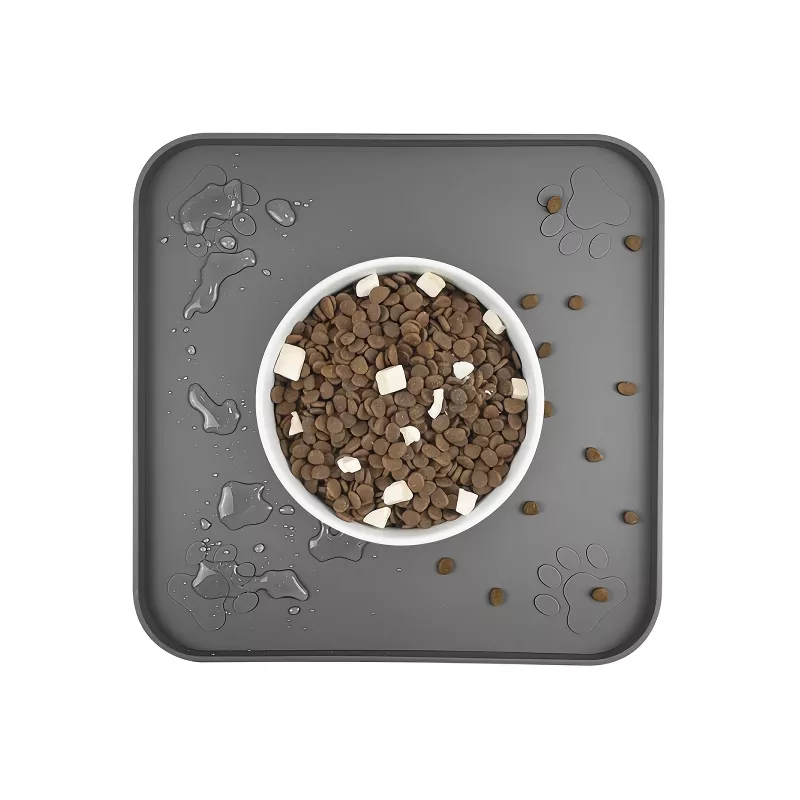 Silicone Pet Feeding MatA pet feeding mat listed among RuleNo’s general pet accessories. $3.51 |
 Interactive Dog Chew Toy & Treat DispenserA dog enrichment toy with a treat-dispenser design. $13.67 |
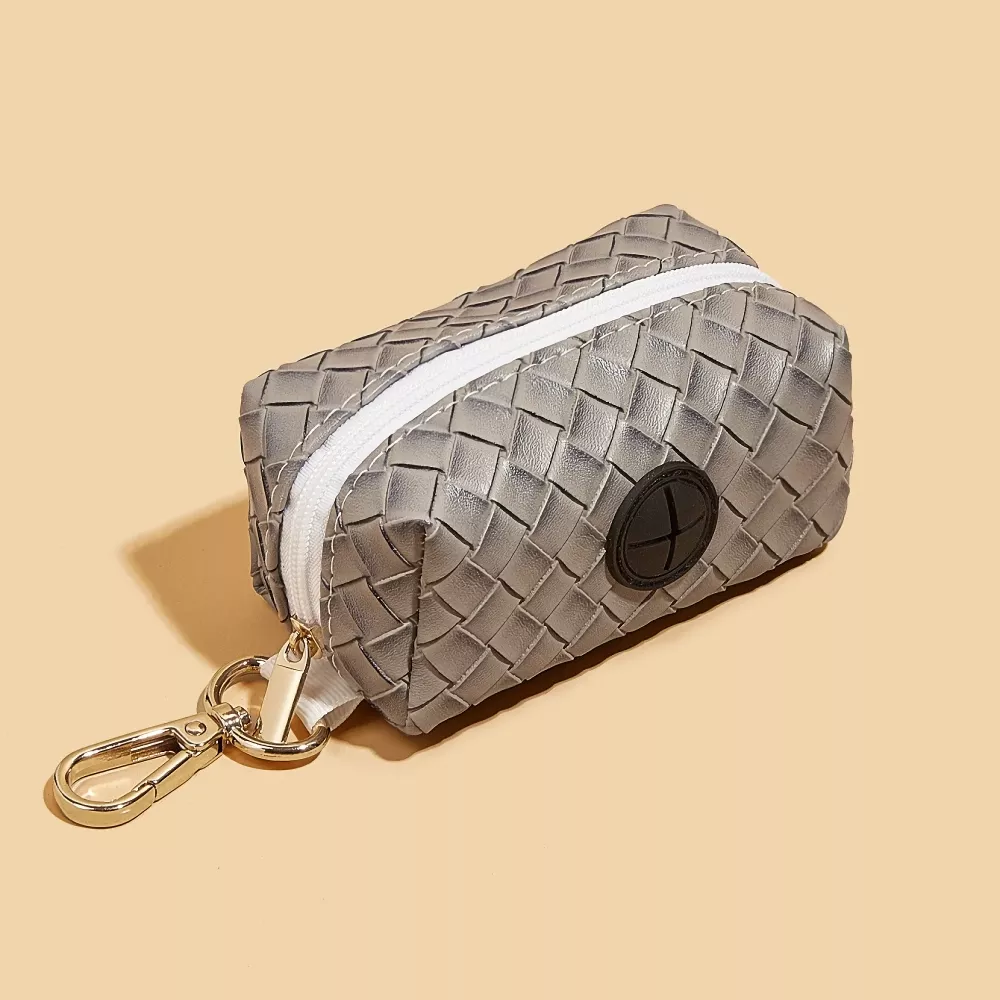 PU Leather Dog Poop Bag Holder for LeashA leash accessory for carrying waste bags on dog walks. $5.01 |
