

Best Cat Beds for Cats in Attics and Loft Rooms in Winter: Finished Space Only
A finished loft can be a quiet winter retreat for a cat, but an unfinished attic is a very different environment. Steep stairs, extreme temperature swings, exposed insulation, roof leaks, nails, wiring, storage stacks, low ceilings, and difficult emergency access can make attic sleeping unsafe.
The best cat beds for loft rooms have a thick insulated base, non-slip underside, washable cover, supportive shape, and placement on a finished level surface away from stairs, roof windows, heaters, storage, and sloped-ceiling pinch points. Donut beds, broad-opening caves, and low-entry bolsters can work only when the room is maintained like normal living space.
This guide covers stairs, roof drafts, insulation, storage, temperature, heaters, seniors, kittens, and emergency access. For a plush winter option, explore the Winter Warm Pet Bed.

Quick answer: Can a cat sleep in an attic in winter?
Only in a finished, heated, ventilated loft room with safe stairs, sealed walls, normal flooring, and an easy exit. An unfinished attic with exposed insulation, utilities, storage, or major temperature swings is not a suitable sleeping area.
The cat should always have a primary bed on an easily accessible floor of the home.
Finished loft versus unfinished attic
A finished loft is built and maintained as occupied space. It has safe surfaces, lighting, climate control, and ordinary access. An unfinished attic may contain exposed framing, insulation, electrical systems, pests, and fragile ceiling areas.
Do not place bedding on joists, insulation, plywood storage decks, or near utility equipment.
Best bed styles for finished lofts
Donut beds
A donut bed supports curled sleeping and limits drafts. Choose deep resilient fill and a stable base.
Broad-opening cave beds
A cave can reduce roof-level drafts, but its entrance must remain visible and face the room.

Low-entry bolster beds
Bolsters suit cats that stretch and seniors that need easy entry. Use them only where access is level and safe.
Stair safety
Steep, narrow, open-riser, spiral, or ladder-style access may be unsuitable for cats, especially seniors. Keep the bed away from the stair edge and landing.
Never block the route with bedding or climbing furniture. Add secure lighting and non-slip surfaces where appropriate.
Temperature swings
Roof spaces can heat and cool faster than lower floors. Measure the actual room temperature at bed height throughout the day and night.
A self-warming bed preserves some body heat but cannot compensate for inadequate heating or insulation.
Roof windows and drafts
Skylights and roof windows can create cold downdrafts and condensation. Leave distance from glass and check the floor and wall for moisture.
See our cold-window guide.
Exposed insulation
Do not allow cats near exposed fiberglass, foam, loose fill, or damaged vapor barriers. Materials may irritate skin and lungs or be swallowed during grooming.
Use another room until a qualified professional has safely enclosed and repaired the area.
Low ceilings and hidden gaps
Sloped ceilings can create inaccessible voids behind knee walls. Seal gaps that allow a cat into roof spaces, ductwork, or insulation.
Keep the bed where an adult can easily reach and inspect every side.
Storage hazards
Secure shelving and remove unstable boxes, holiday decorations, hooks, string, plastic, chemicals, and moth-control products. Never place the bed beneath stored items.
Heavy cat furniture also requires a level floor and enough overhead clearance. Do not place tall towers near stairs or low beams.
Heaters and electrical safety
Portable heaters, extension cords, and overloaded outlets increase fire risk. Keep bedding away from radiators, baseboards, vents, and electrical panels.
Maintain smoke and carbon-monoxide alarms as required.
Emergency access
A loft bed should not be the cat’s only sleeping spot. In a fire, leak, or power failure, the cat must be easy to locate and move.
Keep a carrier accessible on the main living level and include pets in the household emergency plan.
Self-warming versus powered beds
A self-warming bed offers passive cord-free insulation and is generally simpler in a loft.
Powered pet beds require protected wiring, dry placement, and an unheated alternative. Never run cords across stairs.
Senior cats
Senior cats may not safely manage loft stairs. Give them a warm supportive primary bed on the floor where they spend most of their time.

See our senior-cat winter guide.
Kittens
Kittens can enter tiny roof gaps, chew insulation, and fall through open railings. Keep them in a fully kitten-proofed main-floor room.
Cleaning and inspection
Vacuum dust frequently, wash removable covers according to the label, and dry every layer completely. Inspect the roof, wall, and floor around the bed for dampness and pests.
Use our winter cleaning routine.
Loft-room safety checklist
- Finished occupied living space
- Steady safe temperature
- Clear secure stairs
- Bed away from landing edge
- No exposed insulation
- No accessible roof voids
- Stable storage
- No cords across stairs
- Easy emergency access
- Main-floor backup bed
Frequently Asked Questions
Is an unfinished attic safe for a cat bed?
No. Exposed insulation, wiring, unstable flooring, temperature swings, and difficult access make it unsuitable.
Can a cat use steep loft stairs?
Some cats can, but steep or open stairs are risky. Seniors and kittens should have beds on an accessible level.
Are cave beds good in loft rooms?
They can reduce drafts in a finished heated loft when the entrance stays broad and visible.
Can I use a portable heater near the bed?
No. Maintain safe clearances and use properly installed room heating instead.
What if the roof window has condensation?
Move the bed away, dry the area, and address the moisture source before returning bedding.
Is a tall cat tree safe in a loft?
Only on a level stable floor, away from stairs, railings, windows, and low ceiling beams, with secure assembly.
Finished space, warm floor, easy exit
A loft-room cat bed can work when the space functions like a normal heated room. Unfinished attics should remain off limits. Prioritize stable temperature, safe stairs, enclosed surfaces, and an accessible main-floor alternative.
Related Articles
- Best Cat Beds Under Stairs
- Best Cat Beds for Cold Floors
- Best Cat Beds for Basements
- Best Cat Beds Near Cold Windows
- Best Cat Beds for Senior Cats
More From the Winter Warm Pet Bed Collection
 |
Shop the Winter Warm Pet Bed collection
Picks From Our Friends at RuleNo
Three different RuleNo climbing picks selected for this article. Prices checked September 20, 2026 and may change.
 Large Cat Tree with Condo and Hammocks A substantial climbing station with resting and scratching zones. US $443.32 |
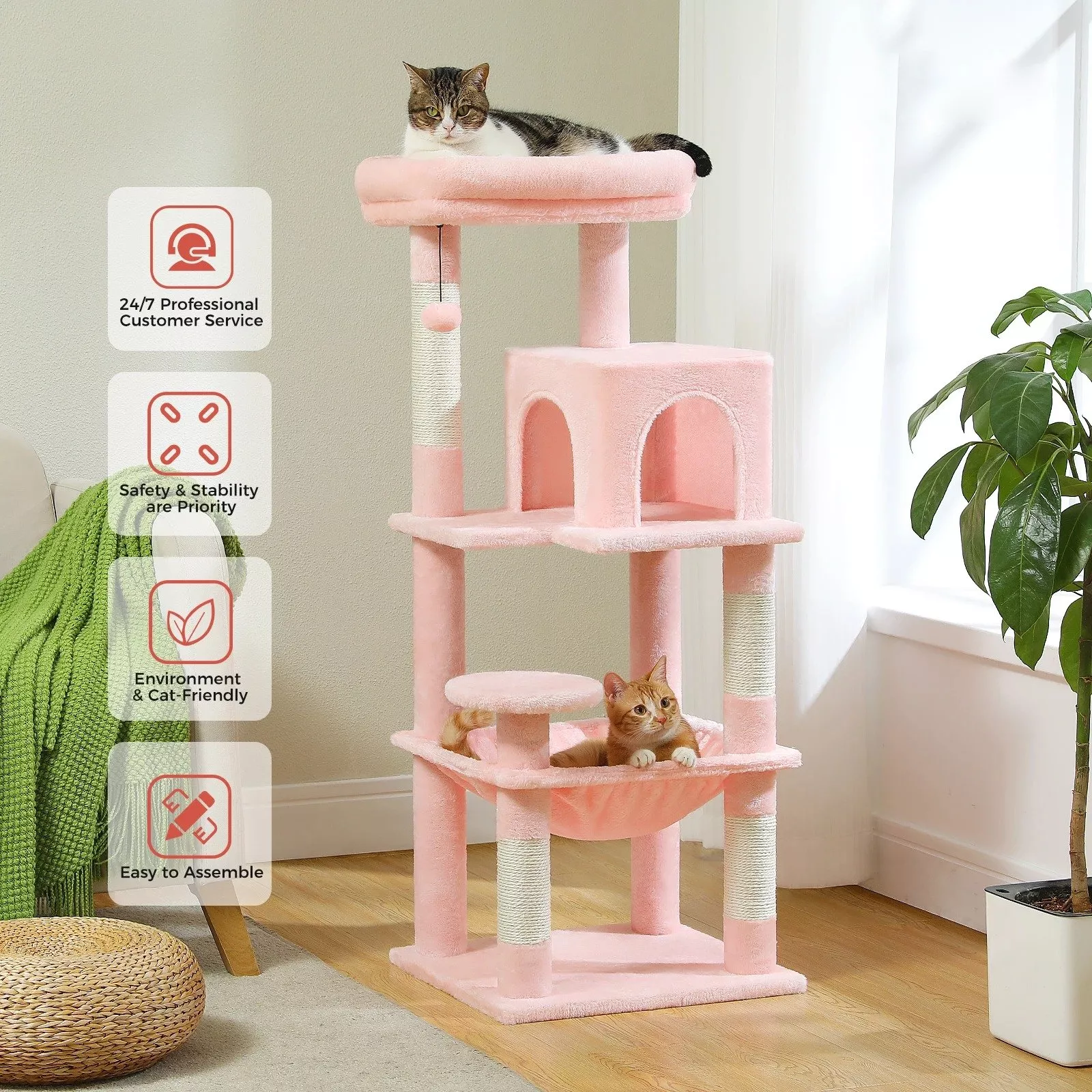 5-Level Metal-Frame Cat Tree A multi-level tree with hammock and top perch. US $55.97 |
 76-Inch Cactus Cat Tree Tower An extra-tall tower with condos, hammock, and toys. US $168.51 |
