

Best Cat Beds for Cats in Greenhouses in Winter
A winter greenhouse can feel warm in sunshine and become dangerously cold soon after sunset. It can also contain toxic plants, fertilizers, pesticides, sharp tools, breakable glass, standing water, cords, and heaters. For those reasons, a greenhouse cat bed should be treated as a supervised daytime rest station, never as a substitute for warm indoor overnight shelter.
The best setup uses a thick washable bed on a stable elevated base in a dry, pet-safe nook. Keep it away from glazing, exterior doors, vents, heaters, electrical equipment, potting benches, chemicals, tools, and every plant that has not been confirmed safe for cats.

Quick answer: Can a cat sleep in a greenhouse during winter?
A cat may enjoy a supervised daytime nap in a greenhouse only when the temperature is stable, the structure is secure, and all plants and supplies are pet-safe. Do not leave a cat there overnight. Greenhouses lose heat rapidly, overheat in direct sun, and may become unsafe during power failures or sudden weather changes.
Why greenhouse temperatures are deceptive
Glass or polycarbonate captures solar heat, so a space can feel springlike at midday even when outdoor air is cold. Once sunlight fades, heat escapes quickly through glazing. A thermometer near the roof may also read much warmer than the floor where the cat rests.
Measure temperature at bed height
Use a separate thermometer beside the bed and check it throughout the visit. Monitor both the lowest and highest readings. Move the cat indoors if the temperature changes quickly, condensation forms heavily, or the cat shows discomfort.
Watch for signs that a cat is too cold
Shivering, tightly hunched posture, cold ears or paws, unusual quietness, weakness, and reluctance to move require immediate attention. Bring the cat into a comfortably heated indoor room. Contact a veterinarian when symptoms are severe or do not resolve promptly.
Watch for overheating too
Winter sun can still produce high greenhouse temperatures. Restlessness, seeking the door, rapid breathing, drooling, weakness, or collapse are warning signs. Move the cat to a safe cooler indoor area and seek veterinary advice when needed.

Choose a dry elevated location
Greenhouse floors are frequently wet from watering and condensation. Elevate the bed on a wide, stable, moisture-resistant platform that cannot tip. Keep the platform low enough for safe access and away from drainage channels, hoses, and walking routes.
Do not place the bed against glazing
Glass and thin panels become cold surfaces and may drip condensation. Leave space between the bed and greenhouse walls. This also helps prevent contact with broken panels, sharp clips, and framing edges.
Keep the doorway clear
The cat needs an obvious exit, and people carrying pots need a clear route. Position the bed beyond the door swing without hiding it behind benches or supplies. Check the cat’s location before closing or opening the door.
Best greenhouse cat-bed styles
Plush donut beds
A donut bed offers raised sides that help retain warmth. It works well for healthy adult cats that like to curl up, provided the base is dry and stable.
Broad-opening cave beds
A cave reduces minor drafts and visual activity, but its opening must remain visible and unobstructed. Never place it beneath hanging pots, shelves, or irrigation equipment.

Low-entry bolster beds
Senior cats and cats with limited mobility benefit from low entry and supportive sides. Use a stable ramp only when it has a non-slip surface and cannot shift.
Confirm every plant is cat-safe
Do not assume a common garden or houseplant is harmless. Identify every species using a reliable source. Remove uncertain plants from the entire space, not just the bed area. Lilies are especially dangerous to cats, including pollen and vase water.
Fertilizers and plant food
Store granular and liquid fertilizers in locked storage outside the cat’s greenhouse area. Clean spills immediately according to the product label. Do not leave treated soil, measuring scoops, or watering cans where a cat can investigate them.
Pesticides, herbicides, and fungicides
Keep every chemical inaccessible and follow label restrictions before allowing a pet into a treated area. Slug products, rodent bait, insecticides, weed killers, and concentrated treatments can be dangerous even in small amounts.
Compost, mulch, and potting mix
Compost may contain mold or food scraps, while some mulches and soil additives can be unsafe. Keep bags sealed, bins closed, and loose material off the bed platform. Wash paws if the cat walks through spilled product and call a veterinarian if ingestion is suspected.
Tools and sharp objects
Secure pruners, knives, scissors, stakes, wire, hooks, and broken pots. Inspect the floor after potting or maintenance. Keep tools in closed cabinets rather than on shelves above the bed.
Hanging baskets and shelving
Never position a bed below hanging pots, grow lights, watering lines, or overloaded shelves. Anchor storage and keep heavy pots low. Cats may climb frames and benches, so remove unstable launch points.
Glass and polycarbonate safety
Check panels for cracks, loose clips, and sharp edges after wind, snow, or impact. Do not allow access while repairs are underway. Keep the bed away from any panel that could flex, leak, or break.
Heaters and fire risk
Do not place bedding beside greenhouse heaters. Keep combustible materials clear according to manufacturer instructions. Temporary heaters and extension cords introduce burn, fire, moisture, and chewing risks and should never be improvised around a cat.
Electrical cords and grow lights
Protect cables from water and chewing. Secure grow lights so they cannot fall and ensure hot components are inaccessible. Do not run wiring beneath the cat bed or rug.
Watering systems and standing water
Fix leaking hoses, empty saucers, and keep water containers covered. Standing water creates slipping, electrical, bacterial, and drowning risks. The bed platform should remain dry after normal watering.
Ventilation
Ventilation controls humidity and heat, but open vents can create drafts or escape gaps. Use secure screens and make sure automatic vents cannot trap a curious cat.
Condensation and mold
Heavy condensation, musty odors, damp bedding, or visible mold means the resting area is not suitable. Improve ventilation, correct leaks, clean safely, and wait until the area is fully dry before the cat returns.
Doors and escape prevention
Greenhouse doors are opened frequently while supplies are carried. Keep the cat indoors during busy work. For quiet supervised visits, use a secure entry routine and never prop the exterior door open.
Senior cats
A senior cat needs a low step, supportive bed, non-slip surface, and short clear route indoors. Arthritis, kidney disease, low body weight, thyroid conditions, and other health issues can affect temperature tolerance.

Kittens
Kittens climb frames, chew irrigation tubing, enter pots, and squeeze behind benches. A greenhouse is not a suitable unsupervised kitten space, even when a warm bed is available.
Cleaning the bed
Brush away soil, vacuum debris, wash removable covers according to the care label, and dry every layer completely. Lift the bed after each visit to check for dampness, insects, spilled chemicals, and sharp plant material.
A safer supervised routine
- Check the temperature at bed height.
- Inspect for spills, tools, broken panels, and open doors.
- Confirm all accessible plants and products are pet-safe.
- Set the bed on its dry stable platform.
- Remain nearby and watch temperature changes.
- Take the cat and bed indoors before late afternoon cooling.
When not to use a greenhouse cat bed
- The greenhouse is unheated or temperature varies quickly.
- Toxic or unidentified plants are present.
- Chemicals cannot be locked away.
- The floor or platform is damp.
- Heaters or electrical equipment are temporary or exposed.
- Glass, panels, shelving, or hanging pots are insecure.
- The cat would be left unsupervised or overnight.
Frequently Asked Questions
Can a self-warming bed make an unheated greenhouse safe?
No. It may retain some body heat, but it cannot control the greenhouse temperature or protect against toxic plants, moisture, chemicals, and sudden weather changes.
Can my cat stay in the greenhouse overnight?
No. Bring the cat into the heated home. Greenhouse temperatures can fall rapidly after sunset or during a power failure.
Is a sunny greenhouse safe on a cold day?
Only with close supervision and temperature monitoring. Direct sun can cause overheating even while outdoor air is cold.
Can the bed sit under a plant bench?
No. Soil, water, pots, tools, or chemicals may fall, and the exit could be blocked.
What bed works best for a senior cat?
A supportive low-entry bed on a stable insulated non-slip base, with a short clear route back indoors.
How many colors does Winter Warm Pet Bed offer?
The featured collection is shown in six available colors, so shoppers can choose a shade that suits their space.
Final recommendation
Use a greenhouse bed only as a supervised daytime comfort station. Choose a warm washable design, elevate it from the cold floor, remove plant and chemical hazards, monitor temperature continuously, and bring the cat indoors well before the greenhouse cools.
Related winter guides
- Best Cat Beds for Sunrooms and Enclosed Porches
- Best Cat Beds for Converted Sheds and Garden Studios
- Best Cat Beds Near Exterior Doors
Explore Winter Warm Pet Bed

Fresh picks from RuleNo
Prices checked September 20, 2026 and may change.
 Pet Water Fountain Care Guide Sale $4.99 |
 Automatic Pet Water Fountain with Double Bowl Sale $32.51 |
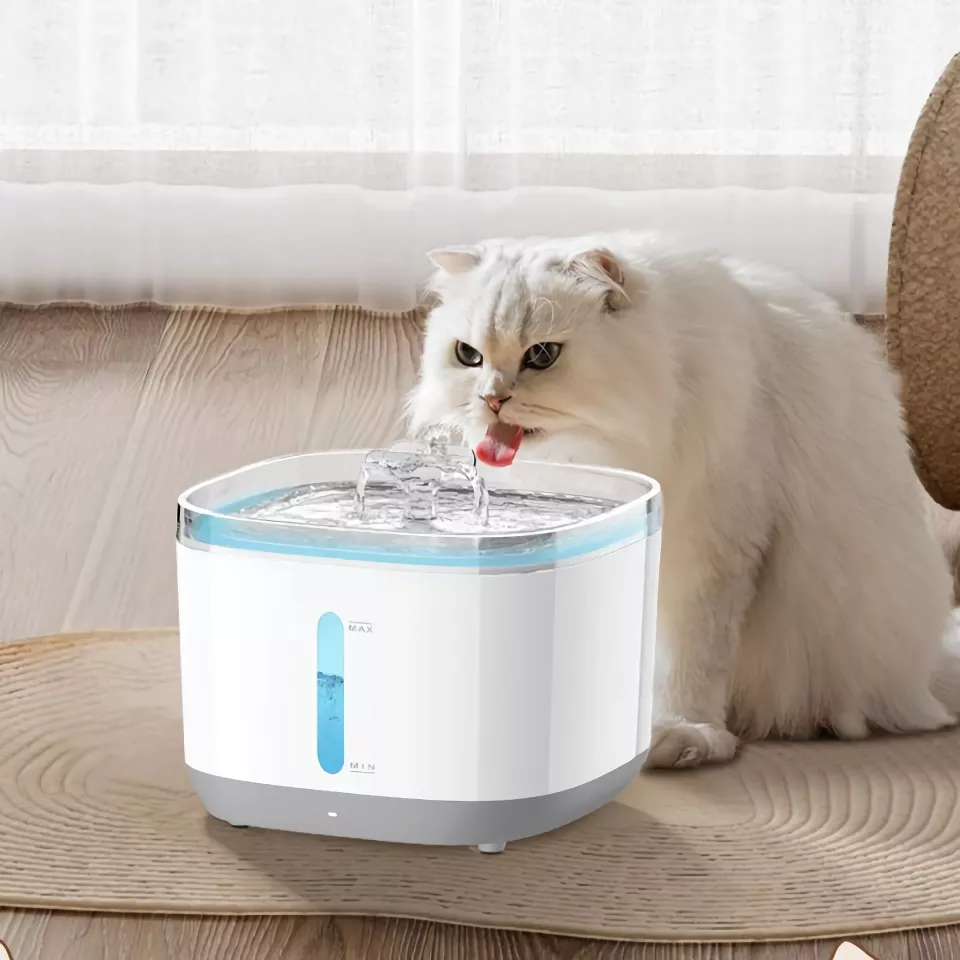 Wireless Smart-Sensor Pet Fountain Sale $60.51 |
