

Best Cat Beds for Cats Near Exterior Doors in Winter: Draft Protection & Dry Warmth
An entryway can look like a convenient place for a cat bed, especially when a cat likes to watch people come and go. In winter, however, exterior doors bring sudden blasts of cold air, damp shoes, road salt, slippery floors, and frequent foot traffic. A bed placed directly beside the threshold may be warm for part of the day and uncomfortable every time the door opens.
The best cat beds near exterior doors have a thick insulated base, raised draft-blocking edges, washable fabric, non-slip footing, and a location outside the direct swing and airflow path. Self-warming donut beds, broad-opening caves, and low-entry bolsters can keep cats comfortable without depending on electric heat.
This guide explains door drafts, cold entryway floors, salt and wet-paw contamination, safe placement, kittens, seniors, multi-cat homes, cleaning, and no-electric warmth. For a plush passive-warmth option, explore the Winter Warm Pet Bed.

Quick answer: Where should a cat bed go near an exterior door?
Place it beside an interior wall, outside the door’s swing, foot-traffic lane, and direct airflow path. Add a stable insulating rug or pad underneath and keep the bed separated from wet shoes, deicer, and puddles.
If the cat likes watching the door, angle the bed so the entrance faces the room while preserving the view. A warmer backup bed should be available deeper inside the home.
Why entryways are colder at cat level
Cold outdoor air enters low and moves across the floor whenever the door opens. Gaps around thresholds and weather stripping can create constant drafts even while the door is closed. Tile, stone, vinyl, and concrete also conduct heat away from a compressed bed.
A thermostat elsewhere in the house may not represent the temperature at the threshold. Check the sleeping spot during windy weather and after sunset.
Best bed styles for winter entryways
Self-warming donut beds
Raised edges protect a curled cat from low airflow. A self-warming layer can return part of the cat’s body heat without a cord. Choose deep resilient fill so the center does not collapse onto cold tile.
Broad-opening cave beds
A cave bed blocks drafts on several sides and gives the cat visual security. Face the opening toward the room, not the exterior door. The roof should hold its shape and the exit must remain clear.

Low-entry bolster beds
Bolster beds suit cats that alternate between curling and stretching. A low front helps kittens and seniors enter safely, while the taller back can face the draft.
Washable mats
A mat is easy to clean and fits narrow areas, but it needs extra insulation on cold floors. Use it as a secondary daytime spot rather than the only winter bed.
How far should the bed be from the door?
There is no universal distance because door design, weather, and traffic vary. Open the door on a cold day and feel the airflow at bed height. Move the bed beyond the strongest stream and verify that the door cannot strike it.
The cat should not be trapped between the bed, furniture, and door. Leave a clear route into the home.
Threshold gaps and weather stripping
Worn seals can create a continuous draft. Repair weather stripping according to the door manufacturer’s guidance or consult a professional. Keep adhesive backing, foam scraps, nails, and tools inaccessible to pets.
A draft stopper can help only when it does not block the door’s operation or become a chew hazard. Do not depend on the bed itself to stop airflow.
Cold tile and concrete
Put a stable non-slip insulating layer beneath the bed. If your hand can feel the cold floor through the compressed center, add a fitted pad or choose a deeper base.
Keep rug edges flat to prevent tripping. Our cold-floor cat bed guide explains insulation in more detail.
Wet paws, snow, and road salt
Snow and slush can soak bedding, while road salt and deicing chemicals may irritate paws or cause illness if licked. Store boots on a tray away from the bed, wipe spills promptly, and use pet-safe floor care.
If a cat walks through residue, follow veterinary guidance for paw cleaning. Do not allow damp bedding to remain in use.
Door safety and escape prevention
A cat resting near the entrance may dart outside when the door opens. Teach household members to check the cat’s location, use barriers where appropriate, and keep identification current.
Do not position the bed where deliveries, bags, or guests force the cat toward the open door. A quieter interior-wall nook is safer.
Self-warming versus heated beds
Self-warming beds preserve body heat without cords, making them useful in high-traffic entryways. They do not heat a cold room, so placement and floor insulation still matter.
Powered beds need dry placement, protected wiring, and an unheated alternative. Entryways with puddles and wet boots are poor locations for electrical bedding.
Senior cats near doors
Senior cats need low entry, non-slip footing, and protection from sudden cold air. Keep the bed outside the traffic lane and make sure the route to food, water, and litter stays level.

Older cats may have trouble moving quickly when the door opens. A second bed deeper inside the home is essential. See our senior-cat winter guide.
Kittens and entryways
Kittens are curious, fast, and vulnerable to cold. Keep their main bed in a warm supervised interior room rather than near the exterior door. Block unsafe gaps and never rely on a kitten to avoid the threshold.
Multi-cat households
One cat may enjoy watching the door while another avoids the noise. Provide separate beds in different zones. No cat should be able to block another between a cave bed and the exit route.
Cleaning an entryway bed
Vacuum grit and fur frequently. Wash removable covers according to the label and dry every layer completely. Inspect the underside for moisture, salt residue, odor, and damaged non-slip backing.
Keep a spare cover for storm days. Our winter cleaning routine provides a useful schedule.
Quick buying checklist
- Thick insulating base
- Raised draft-blocking edge
- Low stable entrance
- Non-slip underside
- Removable washable cover
- Dry placement away from boots
- Clear door swing and walkway
- No electrical cords near puddles
- Interior backup bed
- Easy-to-clean surrounding floor
Frequently Asked Questions
Can I put a cat bed beside the front door?
Yes, if it sits outside the door swing, direct draft, escape path, and wet-shoe area. A spot beside an interior wall is usually safer.
How do I stop a door draft from reaching the bed?
Repair seals, move the bed out of the airflow path, and use raised bed sides. Do not block door operation or create chew hazards.
What bed is best for a cold mudroom?
Choose a thick washable donut, cave, or bolster bed on a stable insulating rug. Keep it dry and separated from boots and salt.
Are self-warming beds good near doors?
They provide passive cord-free warmth, but they cannot overcome a strong draft or freezing room.
How often should I wash an entryway cat bed?
Inspect it frequently and wash when damp, gritty, oily, or exposed to salt residue. Follow the care label and dry it completely.
How can I prevent my cat from running outside?
Move the bed away from the threshold, use household routines or barriers, and check the cat’s location before opening the door.
Keep the view, lose the draft
The best winter cat bed near an exterior door combines floor insulation, raised edges, washable materials, and safe placement beyond the door swing and airflow path. A warm interior backup bed gives the cat control when the entryway becomes busy or cold.
Related Articles
- Best Cat Beds for Drafty Homes
- Best Cat Beds for Cold Floors
- Best Self-Warming Cat Beds for Winter
- Best Washable Cat Beds for Winter
- Best Cat Beds for Tiny Homes and Studios
More From the Winter Warm Pet Bed Collection
 |
Shop the Winter Warm Pet Bed collection
Picks From Our Friends at RuleNo
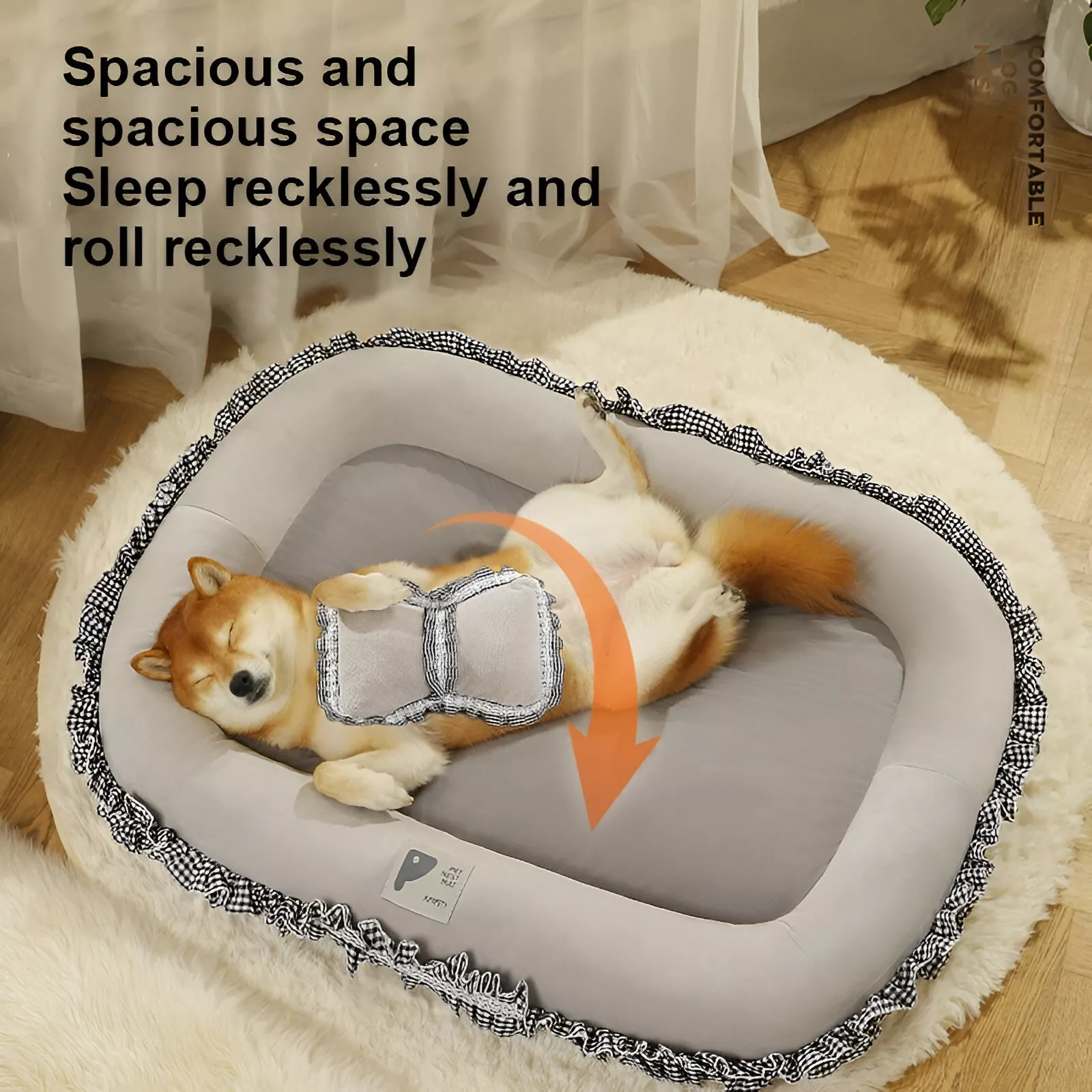 Cozy Warm Dog & Cat Bed Soft passive warmth for a draft-protected nook. US $24.51 |
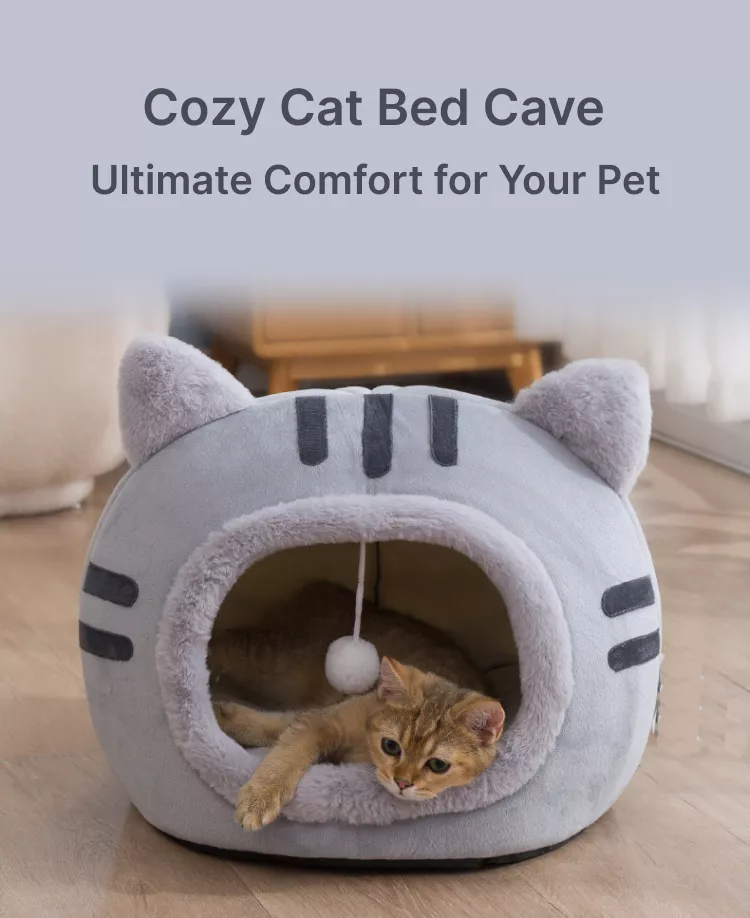 Cozy Cat Bed Cave Enclosed comfort for low entryway drafts. US $38.51 |
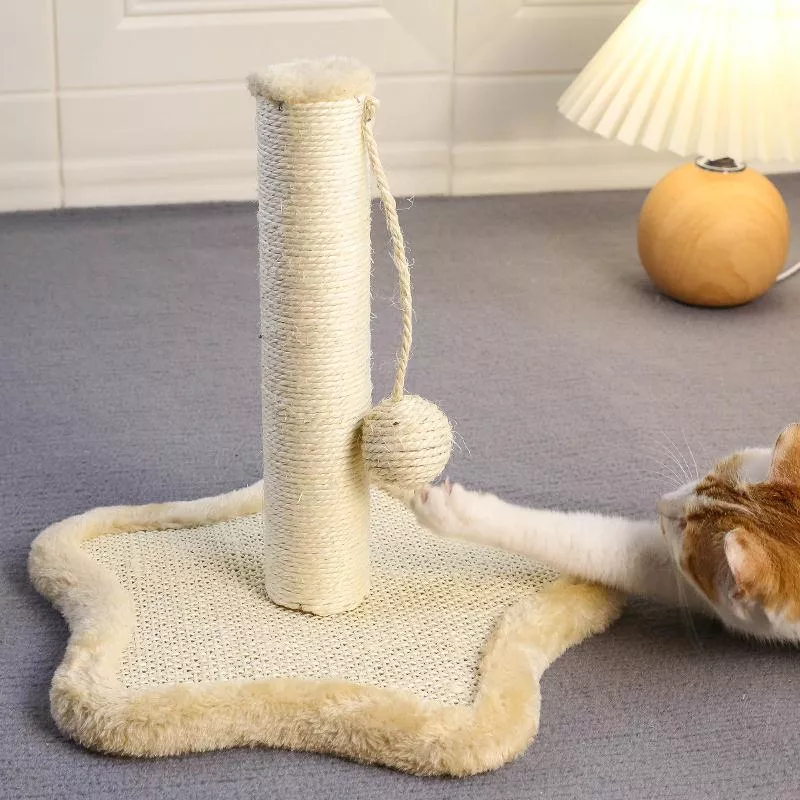 Compact Cat Scratching Post A small activity zone away from the door. US $25.67 |
