

Best Cat Beds for Cats in Drafty Homes in Winter: Warmth Without Electricity
A drafty home can feel comfortable at standing height and still be cold where a cat sleeps. Cold air settles near floors, leaks around windows and doors, moves through older walls, and slips beneath furniture. A cat that spends long hours resting may feel that temperature difference more than a person moving through the room.
The best cat beds for cats in drafty homes in winter create a warmer microclimate without requiring a plug. They lift the cat away from cold flooring, block direct airflow without trapping dampness, and give the cat a stable surface that is easy to enter and leave. This 3,000-plus-word guide explains how to find the draft, choose the right bed, improve the room around it, layer warmth safely, and care for the setup all winter.

Why a drafty room can make an indoor cat cold
Room temperature is only one part of comfort. A thermostat may read 68 degrees while the floor beside an exterior wall feels much colder. Air movement increases heat loss, and a bed placed beside a door or window may be exposed to a constant stream of cool air. Cats sleep close to the floor, so their resting zone can have a different temperature from the one people experience in a chair.
Drafts are especially noticeable in older homes, garages converted into living spaces, cabins, apartments with poorly sealed windows, and rooms above unfinished basements. A cat may respond by curling tightly, seeking the highest furniture, sleeping beside a heater, or abandoning its usual bed for a blanket. These are not always signs of illness, but a sudden change in rest location deserves attention.
Cold also changes how a bed performs. A thin cushion on tile does not insulate the body very well. A loose blanket can slide away during the night. A tall cave may block airflow at the entrance but become humid inside if the fabric does not breathe. The goal is a balanced setup: insulation from below, protection from direct drafts, and an open route to a cooler area.
Small cats, kittens, senior cats, thin-coated cats, cats with little body fat, and cats recovering from illness may be less comfortable in a cold room. Cats with arthritis may also show more stiffness in winter. If your cat is shivering, weak, unusually quiet, struggling to breathe, or suddenly changing its behavior, contact a veterinarian rather than relying on a warmer bed alone.
How to find the draft before choosing the bed
Check windows and exterior doors
Stand near the window or door on a cold day and notice whether the air feels different around the frame. Curtains may move slightly even when the room seems still. A cat bed directly below a leaky window can be exposed to cold air for hours, especially overnight.
Check floor-level air
Use the back of your hand to compare the air near the floor with the air at waist height. You do not need special equipment to identify a noticeable difference. Check corners, baseboards, the space beneath doors, and areas where flooring meets an exterior wall.
Check behind furniture
A sofa, bookcase, or bed can create a pocket where cool air collects. Cats often choose these spots because they feel protected, but a sheltered-looking corner may still be cold. Move the bed a few inches away from the coldest wall while keeping the sense of security.
Check vents and heaters
A heating vent can create a warm patch, but direct airflow may dry out the bed or make the cat too warm. A radiator can be comforting but should not be pressed against fabric. The safest location is often near warmth, not directly on top of the heat source.
Observe the cat’s choices
Your cat is giving you a floor-level map of the home. Notice whether it sleeps on the sofa, in a sun patch, beside the refrigerator, under blankets, or near your body. A new bed is more likely to succeed when it improves an existing favorite instead of forcing a completely new location.
What the best drafty-home cat bed needs
A base that blocks cold from below
The floor is often the first problem to solve. Choose a bed with dense fill, a thick base, or a self-warming layer that places insulation between the cat and the floor. If the bed is thin, put it on a washable rug or insulating mat. Do not use a loose towel that bunches beneath the entrance.
Raised edges that block direct air
A raised rim can protect a curled cat from air moving across the floor. It also creates a warm pocket around the body. The edge should remain stable and soft, not collapse inward or force the cat to climb over a tall wall. One low entry is useful for kittens, seniors, and cats with stiff joints.
Enough openness for safe temperature control
A draft-protected bed should not become a sealed container. Your cat should be able to leave the warm area quickly. Choose breathable fabric, a generous entrance, and a location with a clear exit. If the cat sleeps half-in and half-out, the bed may be too enclosed, too warm, or too small.
A stable, non-slip bottom
A drafty room often has smooth flooring, and a bed that slides can create another reason for a cat to avoid it. A non-slip base keeps the bed aligned with the draft barrier and makes stepping in easier. Put a flat, secured mat beneath it if the floor is particularly slick.
A washable cover
Cold rooms can be less ventilated, which means odors and moisture remain longer. A removable cover lets you wash the sleeping surface without destroying the insulating insert. Keep a spare cover or second bed available so the cat is never left without a dry place to rest.

Self-warming versus heated beds in a drafty home
Why self-warming is often the first choice
Self-warming beds use insulating or reflective materials to return some of the cat’s own body heat. They do not need an outlet, cord, battery, or active heating element. That makes them easier to place in a drafty room and reduces chewing, wiring, and overheating concerns.
A self-warming bed still needs thoughtful placement. It cannot create warmth from nothing, so protect it from direct airflow and place it on a rug or insulated floor when possible. The cat’s body is the heat source, and the bed’s job is to reduce how quickly that warmth escapes.
When active heat may be useful
A heated bed may be appropriate for a genuinely cold room or a cat with special needs, but it requires additional safety checks. Use a product with temperature control, protected wiring, and a surface that allows the cat to move away. Never cover a heating element with extra bedding unless the manufacturer specifically permits it.
Keep cords away from chewing and inspect them frequently. Do not place a heated bed directly against a draft source, where the cat may be tempted to remain on the heat for longer. A separate unheated bed should remain available so the cat can choose.
How to layer warmth without electricity
Start with the floor: use a rug, mat, or raised base. Add the bed, then add one breathable blanket if the cat likes to burrow. Keep the entrance open and avoid creating a pile that collapses beneath the body. More layers are not automatically warmer if they slide, trap dampness, or make the bed unstable.
Our self-warming cat bed guide explains no-electric construction in more detail, while our heated cat bed guide covers powered warmth and safety.
Which shape works best for a drafty room?
Round and donut beds
Round beds suit cats that curl and give the back a raised boundary against moving air. A deep center can feel warm, but the entry should remain low enough for easy access. Measure the usable interior and keep enough space for the cat to turn around.
A donut bed can work beside a sofa, under a desk, or in a bedroom corner. Place the highest part of the rim toward the draft and the opening toward the room. This creates a small windbreak without trapping the cat.
Cave and semi-enclosed beds
Caves can help cats that burrow under blankets, but they need a broad entrance and good ventilation. Do not put the opening directly into a cold airflow. Turn it slightly toward the room while keeping a wall or furniture behind the bed for security.
A semi-enclosed bed is often easier to introduce than a deep cave. The cat can see out, monitor the room, and leave without backing through a tunnel. This matters in homes with children, dogs, or frequent activity.
Bolster beds
A bolster bed can block drafts on three sides while keeping the top open. It suits cats that want a rim to lean against but do not like roofs. Choose a low front edge for cats with short legs or joint stiffness. Our orthopedic cat bed guide explains how support and entry height work together.
Flat mats
A flat mat is useful for cats that stretch or become warm quickly. It offers little wind protection on its own, so use it beside a wall, under a desk, or behind a low draft guard. A thick mat on a rug can be warmer than a thin bed exposed to a cold floor.
Large beds for bonded cats
If two cats share a bed, size it for both bodies curled or stretched together. A bed that is barely large enough may leave one cat pressed against the edge and exposed to the draft. Give each cat an individual alternative as well, especially if one cat is older or more sensitive to cold.
Room-by-room placement ideas
Bedroom
A bedroom may be warmer overnight, but exterior walls and windows can create cold pockets. Place the bed beside the bed or along an interior wall, not directly under a window. A low bedside bed can make it easier to monitor an older cat and keep the route to the litter box clear.
Living room
Use the cat’s social preference. A bed near the sofa may receive more use than a warmer bed in a quiet corner. Put it away from the exterior door and do not let a heater blow directly across it. A low table or furniture edge can block a draft while leaving the entrance open.
Kitchen
Kitchens can be warm but busy. Keep the bed away from cooking surfaces, appliance heat, water spills, and walkways. If your cat likes the kitchen because it is warm, create a safer nearby station with a washable mat and a clear exit.
Basement room
Basements often have colder floors and higher humidity. Elevate the bed with a dense base, rug, or low platform that cannot wobble. Check for dampness and keep the bed away from unfinished exterior walls. A dehumidifier may help the room, but keep cords and airflow away from the cat’s sleeping surface.
Garage or enclosed porch
Only use an enclosed porch or garage sleeping area when the space is safe, dry, ventilated, and appropriate for the cat. A bed alone is not enough protection from freezing temperatures, fumes, vehicles, chemicals, or wildlife. For outdoor and semi-outdoor cats, the shelter itself must be insulated and secure, with bedding that stays dry.
Home office
Under a desk can be a useful draft-protected spot, but keep the bed away from rolling chair wheels and cords. Cats often choose office beds because they are close to their person. A compact self-warming mat can fit without blocking the chair route.

Draft-proofing around the bed
Improve the room instead of asking the bed to do everything. Add removable weatherstripping around leaky windows and doors when appropriate. Use a draft stopper beneath a door. Close curtains at night while keeping them safely away from a heated bed. Move the bed away from exterior walls if the wall surface feels cold.
Do not block a required ventilation opening or create a sealed enclosure around a heater. Draft-proofing should reduce unwanted airflow, not remove fresh air. Keep a thermometer in the room if you are unsure how cold it becomes overnight.
Use furniture strategically. A bookcase, sofa, or low storage unit can create a sheltered side, but do not press the bed into a dead-end corner. Your cat needs a clear line of sight and an easy route out.
Rugs help in two ways: they reduce heat loss through the floor and give paws better traction. Secure the rug so it does not slide or curl at the edge. A cat that slips on the route to the bed may stop using the bed, even if the bed itself is comfortable.
How to introduce a bed in a drafty room
Start with the cat’s existing resting spot. If the cat sleeps beside a window, move the new bed only a short distance away and improve the draft barrier around it. If the cat sleeps under a blanket, choose a semi-enclosed bed and add one familiar blanket.
Let the cat investigate. Do not place the cat inside and hold it there. A cautious cat may need several days to decide that the bed is safe. Keep the old option available during the transition.
Check for movement. A bed may feel stable to a person but shift when a cat steps in. Add a non-slip layer before trying treats or toys. Also check the texture: some cats dislike static, rough seams, or fabric that catches their claws.
Watch the cat’s whole body. Relaxed paws, normal grooming, easy sleep, and voluntary return are positive signs. Sleeping half-in and half-out, repeated repositioning, or immediate exits suggest the bed or location needs adjustment.
Drafty-home care routine
Vacuum or shake the bed regularly, especially when windows stay closed and heating systems are running. Wash the cover according to its care label and dry it completely. Cold rooms can hold moisture longer, so do not rebuild the bed while the fabric is even slightly damp.
Clean the floor and rug beneath the bed. Dust and litter collect in sheltered corners, exactly where a cat may place its face and paws. Keep the bed away from food and water spills, and inspect the cover for dampness after snowy or rainy days.
Rotate covers or beds so the cat always has a dry option. A spare cover is usually easier to store than a second full bed, but a second bed in another room can be valuable if the cat changes locations between day and night.
Inspect the base monthly. Look for flattening, cracks, peeling non-slip material, exposed threads, and seams that have become hard. Replace a bed when it no longer insulates or when the cat’s body contacts the floor of the bed.
Special considerations for kittens, seniors, and arthritic cats
Kittens need warmth, but they also need easy entry and a bed they cannot become trapped inside. Use a broad opening and avoid deep tunnels. Keep the bed where you can check the kitten regularly.
Senior cats may prefer low-entry beds and a clear route to food, water, and litter. Avoid asking an older cat to climb onto high furniture just to reach warmth. A floor-level bed beside the household may be more useful than a premium bed on a high perch.
Cats with arthritis may need even support and a low front wall. Cold can make them slower to rise, so stability matters. Ask your veterinarian about pain management if movement changes, and use the bed as part of a wider comfort plan.
Small or thin-coated cats may lose heat quickly. A snug bed, insulating mat, and draft-free placement can help, but provide a cooler escape area too. The cat should choose its position rather than being enclosed in heat.
Common mistakes to avoid
- Putting the bed directly beside a leaky window because the cat likes the view.
- Using a thin blanket directly on cold tile and assuming it provides enough insulation.
- Choosing a tall cave with a narrow opening for a senior or stiff cat.
- Blocking the entrance with a draft guard so the cat cannot leave comfortably.
- Placing the bed against a heater or covering an active heating element.
- Using a loose rug that slides beneath the bed.
- Adding too many blankets until the surface becomes unstable or damp.
- Ignoring a sudden change in sleeping behavior.
- Assuming a cat bed can replace veterinary care for pain, illness, or weakness.
Quick buying checklist
- Insulating base that lifts the cat from the floor
- Raised back or rim that blocks drafts without trapping the cat
- Low, broad entry and clear exit
- Stable non-slip bottom
- Breathable fabric and resilient fill
- Removable washable cover
- Size matched to the cat’s sleeping posture
- Placement away from direct airflow and unsafe heat
- Optional no-electric self-warming layer
Frequently Asked Questions
What is the warmest cat bed for a drafty room?
A self-warming bed with a dense base and raised sides can create a warm microclimate without electricity. Placement matters just as much: protect it from direct airflow, lift it from cold flooring, and keep the entrance open enough for the cat to regulate its own comfort.
Should a cat bed be beside a radiator?
It should be near, not pressed against, a radiator or heating vent. Direct heat can overheat fabric and the cat, while a cat may remain on the bed longer than it should. Leave safe clearance and provide a cooler area nearby.
Can a blanket stop a draft?
A blanket can help with comfort, but it is not a reliable draft barrier if it slides or bunches. Use weatherstripping, a draft stopper, furniture placement, and a stable bed base first. Add one breathable blanket if the cat likes to burrow.
Are cave beds good for drafty homes?
They can be useful for burrowers, especially when the entrance is wide and turned away from the airflow. The cave must remain breathable, dry, and easy to leave. A semi-enclosed bed is often easier for cautious or senior cats.
How cold is too cold for an indoor cat?
Comfort varies by age, health, coat, size, and acclimation. A room that feels acceptable to one cat may be uncomfortable for a kitten or senior. Watch behavior and physical signs, use a thermometer if needed, and contact a veterinarian for concerning symptoms.
Can a cat sleep in a basement during winter?
Only if the basement is dry, safe, appropriately heated, and free from chemicals or other hazards. Insulate the floor, monitor overnight temperature, and provide a clear route to food, water, and litter. A bed alone cannot make an unsafe room suitable.
How do I keep a self-warming bed dry?
Use the cover and insert only as directed, wash removable pieces separately when allowed, and dry them completely before rebuilding the bed. Keep the bed away from leaks, wet footwear, and condensation. Replace any layer that stays damp or develops odor.
Why does my cat ignore a warm bed?
The location, smell, texture, size, movement, or entry may be wrong. Put the bed near an existing favorite, add a familiar washable blanket, secure the base, and give the cat time. If the cat still avoids it, try a different shape rather than adding more heat.
Related Articles
- How to Keep Pets Warm in Drafty Homes Without Electricity
- Best Cat Beds for Cold Floors: Warmth for Tile & Hardwood Winters
- Best Self-Warming Cat Beds for Winter: The Complete No-Electric Guide
- Best Cat Caves for Winter: The Complete Warm Hideaway Guide
- Best Cat Beds for Cats with Arthritis in Winter
- Winter Pet Bed Cleaning: The Complete Cold-Weather Routine
A Warmer Microclimate, Not a Hot Box
A drafty home does not require an electric bed in every room. Start by finding the airflow, improving the floor, choosing a stable insulated bed, and placing it where your cat already feels secure. Add a draft barrier without blocking the exit, keep the cover dry and clean, and let your cat choose between warm and cooler areas.
The best bed is a tool within the whole room. When draft control, floor insulation, safe placement, and the cat’s preferred posture work together, winter comfort becomes more dependable. Your cat gets a warm place to sleep, and you avoid turning a simple bed into a risky heat source.
More From the Winter Warm Pet Bed Collection
 |
Shop the full Winter Warm Pet Bed collection
Picks From Our Friends at RuleNo
Three current RuleNo picks that complement a warmer, more organized winter setup. Prices were checked live on September 17, 2026 and may change after publication.
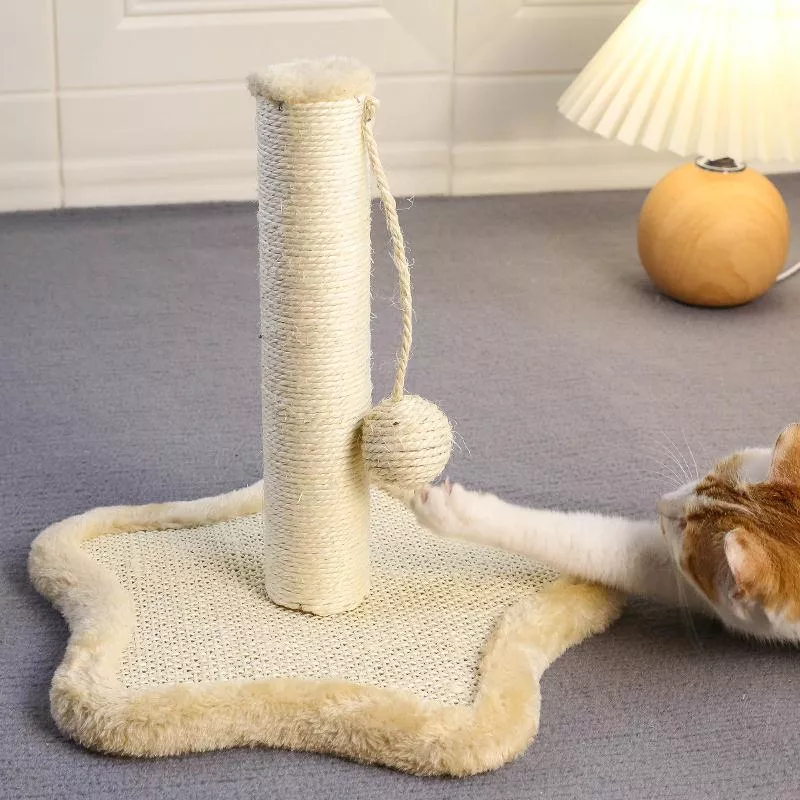 Compact Cat Scratching Post A low-footprint activity option for a sheltered indoor room. US $25.67 US $47.65 |
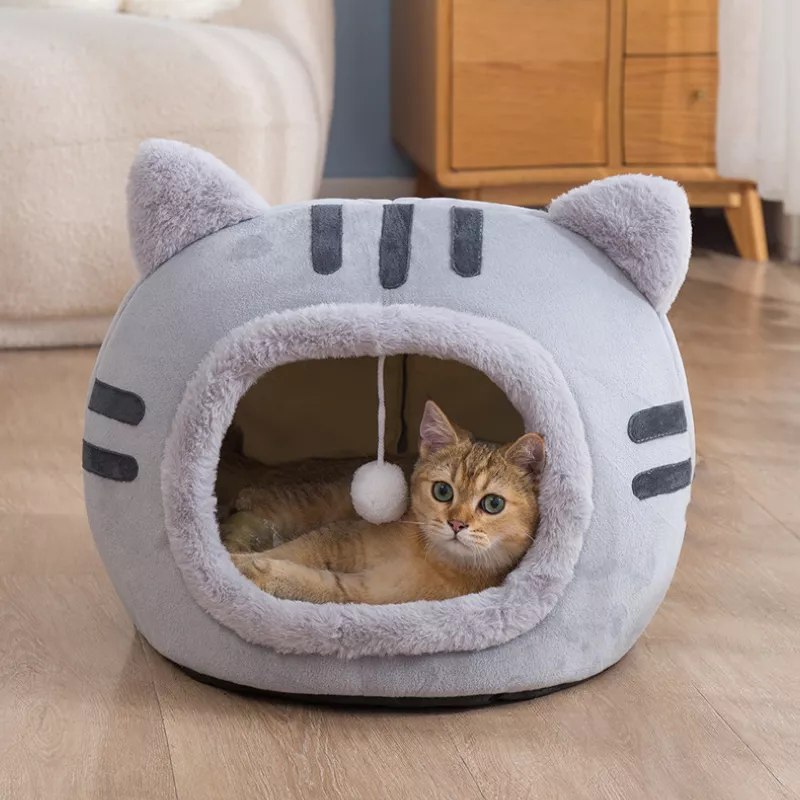 Cozy Cat Bed Cave A draft-protected retreat with a broad, visible opening. US $19.67 US $41.65 |
 Interactive Cat Tumbler Toy A compact enrichment option that keeps activity away from the sleeping surface. US $27.82 US $55.33 |

Looking for more premium pet comfort products?
RuleNo | Official Site – Exclusive Deals & Top Quality Products 🛒