

Best Heated Cat Beds for Winter: The Safe Warmth Guide
Some cats need warmth that never runs out, and winter is when a heated cat bed earns its place. A self-warming bed reflects the cat's own heat, and that is enough for most cats in most rooms — but an older cat with thinning fur, a kitten that cannot yet regulate its temperature, a short-haired cat on a tile floor, or a home with a drafty corner can all run out of heat before the room warms up. A heated cat bed answers with a low-voltage element that holds a gentle, steady warmth at the exact spot where the cat rests, all day and all night. It is warmth that does not depend on the cat arriving warm, and for the cats that need it, that difference is the whole point. In this guide we'll cover which cats benefit most from active heating, what separates a safe heated bed from a risky one, the three designs that work best in winter, and how to place, clean, and use one responsibly.
This guide is the heated-side companion to our heated vs. self-warming cat beds comparison, which breaks down when each heat source makes sense. It pairs with the safety checklist in our safe heated pet bed guide, the no-electric alternative in the self-warming cat beds guide, and the surface strategy in our cat beds for cold floors article — the two guides cover the same winter from opposite sides of the cord.
Which Cats Need an Actively Heated Bed
Heated beds are a specialized tool, and the best first question is whether a specific cat needs one. Seniors top the list: an older cat with reduced circulation, thinning coat, or arthritic joints benefits enormously from warmth that is there before the cat arrives, because cold stiffens the joints that make reaching the bed hard in the first place. Kittens come next — very young cats cannot regulate their own temperature well, and a gentle heat source turns a cold room into a safe one. Then the thin-coated and small-bodied cats, whose own heat runs out sooner, and the cats in cold environments: rooms over garages, houses with drafty corners, or homes where the thermostat drops at night.
For the healthy adult cat in a moderately warm home, the honest answer is usually the self-warming bed — the cat's own heat is the cheapest, safest heat source there is, and the comparison guide covers that decision. The heated bed is for the cat whose winter genuinely outpaces its own warmth: the senior that shivers on the tile, the kitten in the cold spare room, the short-haired cat that has started sleeping against the radiator instead of its bed. For those cats, active heat is not a luxury; it is the difference between using the bed and abandoning it. The placement and habit logic from our warm cat beds guide applies to both designs — the bed only works where the cat already is.
What Separates a Safe Heated Bed from a Risky One
The safety checklist from our safe heated pet bed guide is the short version; here is how it applies to cats specifically:
- Low-voltage heating. The element should run at pet-safe low voltage — cat beds draw less power than human products for exactly this reason.
- Gentle, thermostat-controlled warmth. The bed should hold a surface close to the cat's own body temperature, not feel like a heating pad; a cat that overheats leaves the bed and takes the trust with it.
- A chew-resistant cord. Cord entry should route away from the bed edge, ideally with a wrapped or protected lead the cat cannot reach from inside the bed.
- A removable, washable cover. Heat attracts paw traffic and fur; the cover should come off for the winter wash routine in our cleaning guide.
- A soft, insulating top layer. The element warms, the fabric distributes — a plush top keeps the surface comfortable rather than hot-spotted.
- A low, easy entry. The cats that need heat most — seniors and kittens — are the ones that should never have to climb into it.
- A stabilizing base. A non-slip or weighted bottom keeps the bed still on tile or hardwood, the same logic as our non-slip cat beds guide.
- Recognized safety certification. A listed, tested product with clear manufacturer instructions beats an unbranded pad at any price.
The cord is the cat-specific risk: unlike most dogs, cats chew thin leads, and a bed placed where its cord crosses the cat's play path is a hazard regardless of the product. Run the cord behind furniture, keep it out of the bed's approach path, and check it whenever you check the cover.
The Best Heated Cat Bed Styles for Winter
Round heated beds for the curl
The signature design: a round, low-walled bed with a heated pad built into the base, covered in plush that distributes the warmth evenly. The round shape matches the way a resting cat actually holds heat — curled, with the rim blocking the draft — and the element underneath means the warmth is waiting when the cat arrives instead of building slowly after. This is the everyday heated bed for the senior in the living room and the short-haired cat on the tile, and the one that gets used longest once the house turns cold. Set it out of the draft path, near (never touching) a radiator, and the design keeps the surface just warm enough that the cat stays for the long winter naps rather than drifting to the floor vents.

Warmth that is waiting — shop the Winter Warm Pet Bed
Thermostat-controlled beds for adjustable warmth
The adjustable design puts a small control dial on the bed itself, usually with low and high settings and an indicator light. That dial is the feature for the cat that runs either too warm or too cold: low holds a gentle background warmth for the full-day sleeper, and high gives a short pre-warmth boost on the coldest mornings before settling back to the steady setting. The control also makes the bed verifiable — you can feel the difference between settings, which is the fastest way to confirm the element is working as advertised. This is the design for homes with a temperature swing between day and night, and for the cautious owner who wants to start low and watch before committing. Pair it with the settings logic from our heated vs. self-warming comparison, and the bed becomes a controllable warm zone rather than a fixed one.

Adjustable warmth — see the details
Low-entry heated beds for seniors and kittens
The senior-and-kitten design adds the third element: an entry the weakest cat in the house can use without effort. The bed sits close to the floor with a walk-in front, the heated element warms the base, and the bolster walls give the resting cat a headrest and a draft block without asking for a climb. The combination matters because heat and access solve different halves of the same problem — a warm bed the senior cannot step into is just furniture, and an easy bed that cannot hold warmth is a place the cat visits and leaves. For the oldest cats, this design pairs naturally with the joint-support thinking in our senior cats that get cold guide; for the youngest, it gives the kitten a stable warm zone to grow into. Place it where the household gathers, and the cat that struggles most with winter gets the warmest seat in the room.

Easy access, steady warmth — shop the collection
Placement and Safe Use
Placement for a heated bed follows the same rules as any winter bed, with two additions. Put the bed where the cat already rests — near the household, out of the draft path, on a rug or mat over cold flooring, with a wall behind it for the territorial comfort covered in our anxious cat guide. The first addition is the cord: route it behind furniture, away from the bed's approach path, and never across a hallway the cat sprints. The second is supervision at the start — run the bed on its lowest setting for the first days, watch that the cat settles rather than avoiding the warmth, and confirm the surface feels gently warm to your hand, never hot. The room-by-room logic in our winter setup guide covers the positioning for every part of the house.
Our Top Pick for Cats
Our top recommendation is the plush, self-warming bed with tall soft walls, a thick insulating base, and a washable faux fur cover — the design that keeps winning our winter guides because it answers warmth without a cord: a dense insulating base that lifts the cat off the cold floor, a body-hugging profile that supports the curl, a low easy entry, and a cover that removes and washes fast. For the cats whose winter outpaces their own heat, the heated designs above are the specialists; for every other cat in the house, this is the bed that delivers warmth with none of the supervision. Pair it with a second cover in rotation, the winter-cleaning trick that keeps any bed fresh, and the season stops being hard on the bed entirely.

Shop the Winter Warm Pet Bed — the top pick for cats this winter
Quick Buying Checklist
Before you order, run any heated cat bed through this list:
- Low-voltage, pet-safe heating element
- Gentle surface warmth close to body temperature
- Thermostat or dial control with clear settings
- Chew-resistant cord routed away from the bed edge
- Removable, machine-washable cover
- Soft, evenly distributing top layer
- Low or walk-in entry for seniors and kittens
- Non-slip or weighted base for hard floors
- Listed, tested product with real instructions
- Warm placement out of drafts with a safe cord route
Caring for a Heated Bed Through Winter
The routine protects the element as much as the fabric. Wash the cover on the one to two week cycle from our winter cleaning guide — the cover comes off and goes through the wash while the base and cord stay dry, and the bed should never run until the cover is completely dry. Vacuum the surface weekly, and keep a spare cover in rotation so the bed never sits empty on a cold night. Inspect the cord monthly for chewing damage or fraying, especially in a house with a kitten, and replace the bed rather than taping a compromised lead. Check the element by hand: the surface should warm gently within minutes and hold steady; a bed that stays cold, runs hot spots, or clicks erratically is ready to retire. A well-built heated bed serves several winters, which makes the care routine the cheapest warmth in the house.
Related Articles
- How to Choose a Safe Heated Pet Bed for Winter: The Complete Safety Guide
- Heated vs. Self-Warming Cat Beds: Which Does Your Cat Need?
- Best Self-Warming Cat Beds for Winter: The Complete No-Electric Guide
- Best Cat Beds for Cold Floors: Warmth for Tile & Hardwood Winters
- Best Cat Beds for Senior Cats That Get Cold: Winter Warmth Guide
Frequently Asked Questions
Are heated cat beds safe to leave on all day?
A listed, low-voltage heated bed designed for pets is built for continuous use — that is its purpose, because a cat may rest on and off for hours. The safety comes from the gentle thermostat-controlled surface rather than from a timer. The checks that matter are the monthly ones: cord condition, element behavior, and a dry cover before the bed runs. If the surface ever feels hot to your hand rather than gently warm, unplug it and retire the bed.
Do cats actually like heated beds?
The cats that need them love them, and the cats that do not need them mostly ignore them. Seniors, kittens, thin-coated cats, and cats in cold rooms are the strongest adopters — warmth is exactly what those cats are seeking in winter anyway. Introduce the bed on its lowest setting in the cat's existing resting spot, and most needy cats claim it within days. A cat that avoids the bed is usually reacting to heat that is too high or placement that is wrong, not to the concept.
Heated or self-warming: which should I buy?
Start with the self-warming design — the cat's own reflected heat is free, safe, and sufficient for most healthy cats in moderately warm homes. Choose the heated bed when a specific cat's needs exceed what reflected warmth delivers: a senior with poor circulation, a kitten that cannot regulate temperature, a short-haired cat on cold tile, or a room that gets genuinely cold. The two designs also combine well in a multi-cat house, one in the warm room and one in the cold corner. Our heated vs. self-warming comparison walks the full decision.
Can a kitten use a heated bed?
Yes, with care. Kittens cannot regulate their own temperature well, which makes a gentle heat source genuinely valuable in a cold room — but young cats also chew, so the cord must be routed where the kitten cannot reach it, and the surface should always be the gentlest setting. A low-entry design is best, so the kitten can walk in and out freely, and the bed should be checked often while the kitten is small. Once the cat is grown, reassess the setup — many cats transition happily to a self-warming bed.
Warmth That Waits for the Cat
The promise of a heated bed is simple: the warm spot exists before the cat arrives. For most cats, the self-warming design delivers that promise cheaply and safely; for the seniors, kittens, thin-coated cats, and cold rooms, active heat is what makes winter rest actually restful. Choose a low-voltage, thermostat-controlled bed with a washable cover and a cord that stays out of the play path, place it where the cat already rests, and keep the routine gentle — and the warm spot holds its ground every night of the season, with the cat in it.
More From the Winter Warm Pet Bed Collection
The bed below comes from our Winter Warm Pet Bed collection — plush, heat-reflective, and machine-washable, sized for every pet from the smallest cat to the largest dog.
 |
Shop the full Winter Warm Pet Bed collection
Picks From Our Friends at RuleNo
Three winter picks from the RuleNo store that pair perfectly with a warm, comfortable cat season:
 Large Memory Foam Dog Bed with Removable Washable Cover & Squeaker Toy Gift A thick foam base with a washable cover keeps the resting spot warm and easy to clean. US $76.51 US $185.99 |
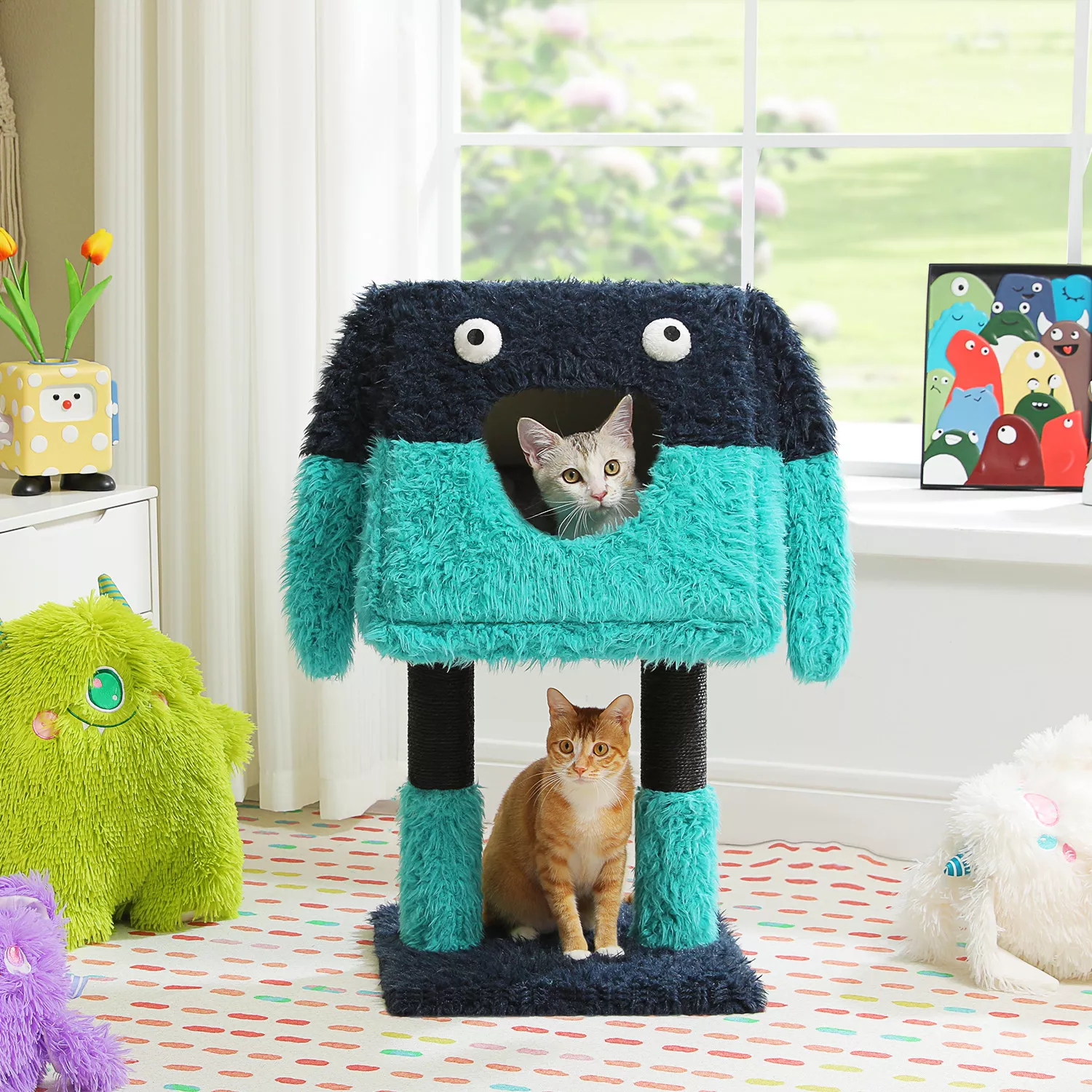 Monster-Themed Cat Tree Tower with Condo, Sisal-Wrapped Legs, and Fun Ears A cozy enclosed condo gives cold days a warm hideout with play built in. US $44.51 US $111.52 |
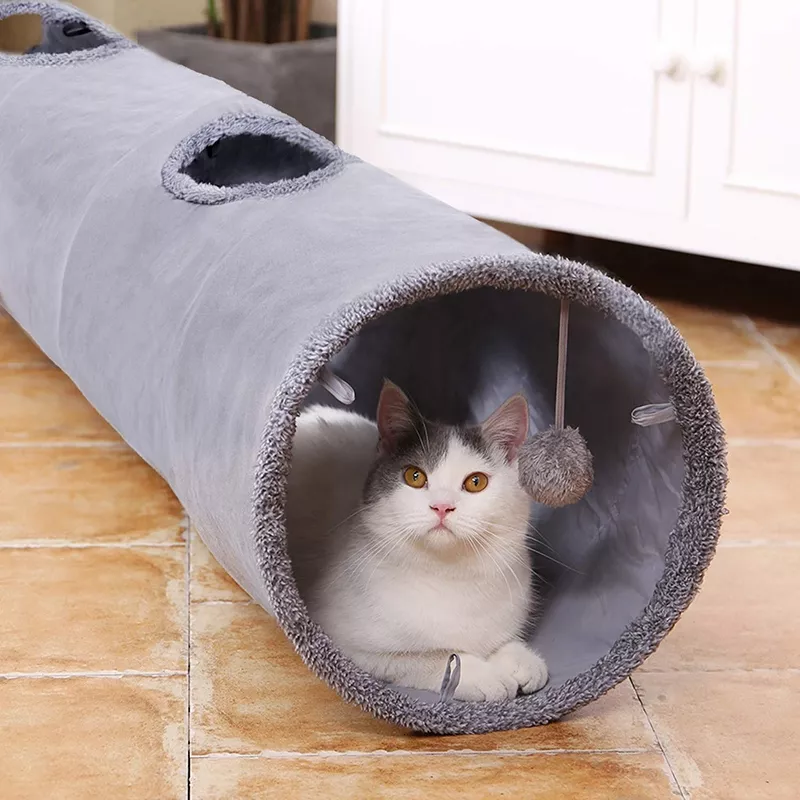 Collapsible Cat Tunnel with Crinkle Suede and Peek Hole – Portable Kitten Play Hideaway A soft suede tunnel keeps indoor kittens active and warm through the winter. US $24.67 US $62.20 |
