

Best Non-Slip Cat Beds for Winter: Grip on Cold Floors
A bed that slides is a bed that gets tested every time the cat arrives. Cats hit their bed at speed, especially in winter when the dash from cold floor to warm spot is a short one, and a lightweight bed on a smooth surface scoots away from that momentum. The cat's confidence takes the hit: it misjudges the entry, lands half in and half out, or refuses the bed entirely after a few slides. Add the season and the problem compounds — tile and hardwood are already the coldest surfaces in the house, dry winter air cuts their traction further, and senior cats with stiff joints need the bed to stay exactly where they left it. A non-slip cat bed answers all of it with a rubberized or textured bottom that grips the floor, a base with enough weight to hold position, and warm, deep materials that make the bed worth returning to. In this guide we'll cover why slippage matters more for cats than most owners expect, what to look for in a bed that stays put, the three winter designs that work best, and how to place and care for one.
This guide is the stability-focused companion to the dog bed sliding fixes guide, which covers the problem from the dog side. It pairs with the surface strategy in our cat beds for cold floors article, the no-electric warmth in the self-warming cat beds guide, and the senior-specific comfort in the senior cats that get cold guide — stability and warmth are the same project in winter.
Why Non-Slip Matters More for Cats
Dogs accept a bed that shifts; a cat usually does not. Felines are sprinters with claws built for traction on fabric and carpet, not on laminate, tile, or sealed hardwood, and a bed that moves under their paws reads as unstable ground — the kind a cat abandons. Winter makes the surface worse: dry heated air reduces friction, cold floors send the cat moving faster toward warmth, and the deep seasonal naps mean the bed is used repeatedly throughout the day, so every slide is another chance for the cat to give up on it. An older cat is hit hardest, because pushing off against a sliding surface puts exactly the strain on stiff hips and shoulders that an orthopedic bed is supposed to relieve.
The fix is not more weight everywhere; it is grip where the bed meets the floor. A rubberized bottom, a textured anti-skid base, or a wide flat footprint that carries its own weight keeps the bed anchored through the fast entries and the twisting exits. When the bed holds its position, the cat stops testing it. That is the behavior change this guide is about: the bed becomes a known, fixed point in the room, which is what turns it from furniture the cat considers into furniture the cat lives in. The same logic runs through our anxious cat guide — a stable resting spot is a security feature, not just a comfort one.
What to Look For in a Non-Slip Cat Bed
The best non-slip beds combine grip with everything the season demands:
- A rubberized or textured bottom. The single most important feature — a dotted or waffle anti-skid base grips smooth floors where fabric bottoms skate.
- A wide, flat footprint. A low, broad base resists tipping and shifting better than a tall narrow one, and it keeps the entry at floor level.
- Some real weight. A heavier foam or panel bottom holds the bed down; featherweight beds slide regardless of their covering.
- A thick insulating base. Grip does not stop the cold from rising, so the bed should still lift the cat off the floor — the principle from our cold floors guide.
- Deep, warm materials. A plush or self-warming surface makes the bed worth a fast arrival — the warmth logic covered in our warm cat beds guide.
- A low, confident entry. No rim to clear at speed; the cat should step in, not hop in.
- A washable cover. The anti-skid layer will see plenty of paw traffic, so the cover should come off for the winter wash routine in our cleaning guide.
- Stable walls, not floppy ones. Firm bolsters give the cat something to brace against when turning, which keeps the bed from rolling on its own rim.
- Floor-matched placement. The grippiest bed still performs best on a rug, mat, or the flooring itself rather than a loose throw blanket.
If the bed will serve a senior cat, the low-entry and support rules in our senior cats guide apply on top of these; stability is what makes the rest of the design usable.
The Best Non-Slip Cat Bed Styles for Winter
Weighted-base donut beds for fast movers
The round donut bed is the shape cats return to all winter, and the non-slip version starts from the bottom up: a dense foam or panel base that carries real weight, an anti-skid underside that grips the floor, and the tall, soft raised walls cats lean into. The design suits the fast winter arrival — the cat can dash in, spin, and settle without the bed walking across the floor. The deep rim doubles as a headrest and a windbreak against the draft that skims across cold floors. Set it on the flooring itself or on a stable rug, out of the draft path, and the weighted base does the anchoring while the plush center does the warming. This is the everyday design: the one most cats in most rooms will use most often.

A bed that stays put — shop the Winter Warm Pet Bed
Rubberized-base foam pads for hardwood and tile
The purest non-slip design is the flat foam pad with a visible textured rubber bottom, and it belongs on the smooth floors where sliding is worst. The anti-skid backing grips tile and sealed hardwood directly, the foam gives the cat a warm, even surface to lie on, and the low profile means there is nothing to climb and nothing to tip. This is the specialist bed for the fast entry: a cat can run straight onto it without the launch pad effect a rounded rim creates. It is also the easiest to layer with — put it in front of a radiator or in a sun patch, or tuck it into a corner where two walls do part of the anchoring. Pair it with the insulation thinking from our cold floors guide in the coldest rooms, and the pad becomes the warm, motionless station the house was missing.

Grip where it counts — see the details
Wide-base bolster beds for senior cats
For the older cat, stability and low entry have to arrive together. A wide-base bolster bed spreads its weight across a broad, flat footprint, anchors with a non-slip underside, and keeps the entry so low that stepping in is the same motion as walking. The firm bolsters give a stiff cat something to lean on while turning and a headrest for the deep winter naps, and the wide base means the bed does not tip when the cat pushes off to rise — the exit matters as much as the entry for arthritic joints. This is the design for the senior that has started hesitating at faster approaches, and the stability pairs naturally with the support features in our senior cats guide: a thick insulating base, a plush washable top, and a position the cat can reach without climbing.

Stable comfort for seniors — shop the collection
Placement: Keep the Bed Where It Stays
The grippiest bed still needs the right floor. Place the bed on the hard surface itself or on a rug with real pile, never on a loose throw or a smooth blanket — those slide even under an anchored bed. A corner placement is the cheapest stability upgrade in the house: two walls cut off every escape direction the bed has, and the wall behind the bed delivers the territorial comfort covered in our anxious cat guide. Keep the spot out of the draft path, near (never touching) a radiator or a sun patch, and close to the rooms the household actually uses — a bed the cat has to cross a cold hallway to reach competes with its own warmth. Once the cat accepts the spot, leave it: repositioning is what turns a trusted bed back into a moving target. The room-by-room logic in our winter setup guide works for cats as well as dogs.
Our Top Pick for Cats
Our top recommendation is the plush, self-warming bed with tall soft walls, a thick insulating base, and a washable faux fur cover — the design that keeps winning our winter guides because it answers warmth and stability in one bed: a dense insulating base that lifts the cat off the cold floor and holds the bed's weight down, a body-hugging profile that supports the curl, a low easy entry, and a cover that removes and washes fast. For the fastest movers, the weighted donut above is the everyday pick; for the smoothest floors, the rubberized pad is the specialist; for the seniors, the wide-base bolster. For every cat in the house, this is the bed that keeps its position and its warmth all season. Pair it with a second cover in rotation, the winter-cleaning trick that keeps any bed fresh, and the season stops being hard on the bed entirely.

Shop the Winter Warm Pet Bed — the top pick for cats this winter
Quick Buying Checklist
Before you order, run any non-slip cat bed through this list:
- Rubberized or textured anti-skid bottom
- Wide, flat footprint that resists tipping
- Real weight in the base, not featherweight filler
- Thick insulation between the cat and cold floors
- Deep, warm materials worth arriving at speed
- Low entry with no rim to clear
- Stable walls that brace, not flop
- Removable, machine-washable cover
- Placement on hard flooring or real rug, out of drafts
- Right size for the cat's full curl or stretch
Keeping the Grip Through Winter
The anti-skid layer is a wear item, and winter gives it the heaviest use of the year, so keep it clean and inspect it. Follow the cover-wash routine from our winter cleaning guide on its one to two week cycle, and keep the underside dry — a damp rubber base on a cold floor collects grit and loses grip, so let it air out between placements. Vacuum the bottom surface when you wash the cover; crumbs and litter granules under a non-slip bed act like ball bearings. Check the rubber or textured layer monthly: when the dots wear smooth or the base starts to crack, the grip is going. On beds without a rubberized bottom, the fixes from our sliding fixes guide — rug underneath, corner placement, a mat — do the same job while you shop for a replacement. When the base wears through, the replacement guide walks the decision; a bed that no longer stays put is a bed the cat will quietly stop using.
Related Articles
- How to Stop a Dog Bed from Sliding: 9 Practical Fixes
- Best Cat Beds for Cold Floors: Warmth for Tile & Hardwood Winters
- Best Cat Beds for Senior Cats That Get Cold: Winter Warmth Guide
- Best Self-Warming Cat Beds for Winter: The Complete No-Electric Guide
- Best Warm Cat Beds for Winter: Self-Warming, Cave & Donut Guide
Frequently Asked Questions
Why does my cat's bed slide even though it looks grippy?
Three usual suspects: the floor, the base, and the arrival. A fabric or vinyl bottom has little grip on sealed hardwood or tile, dry winter air cuts the friction further, and a bed with no weight in the base will skate no matter what its covering promises. Add a fast, twisting entry from a sprinting cat and even a moderately grippy bed starts walking. The fix is the combination — a rubberized or textured underside, real weight in the base, and placement on the hard floor or a rug.
Are non-slip beds warmer for winter, or is that separate?
Stability and warmth are separate features, but they support each other. A non-slip bed keeps the cat in contact with the warm surface instead of breaking and re-forming the cozy pocket every time the bed shifts, and a well-built one pairs its grip with a thick insulating base that lifts the cat off cold floors. Grip alone does not add heat, so check for the insulating bottom and plush top from our cold floors guide when you buy. In the coldest rooms, layer the bed over a rug near a gentle heat source.
My cat slides out of a round donut bed — is that a size problem?
Sometimes. A donut bed that is too large turns the rim into a launch ramp for quick exits, and one that is too small forces the cat to curl hard against a wall that gives way underneath. The better fix is usually the base: a weighted donut with an anti-skid bottom holds position through the spin and settle, so the rim works as a headrest instead of a moving wall. Match the bed to the cat's curled size with a little room to spare.
What is the fastest way to stop a bed sliding tonight?
Move the bed to a corner so two walls cut off its escape directions, put a textured rug or mat underneath it, and lift any loose blanket out from under the bed. Those three changes stop most sliding without buying anything new, and they are the same first steps in our sliding fixes guide. When the bed is worth replacing, a rubberized-base design makes the fix permanent.
A Steady Bed All Winter
A cat trusts its bed the way it trusts a ledge: completely, or not at all. A bed that slides is a bed the cat approaches with its weight held back, and winter gives it every reason to approach fast. Grip the floor with a rubberized base, anchor the spot with a wide footprint and a corner, and warm it with the deep, insulating materials the season demands, and the bed becomes the fixed point the whole room quietly arranges itself around. Match the design to the cat — a weighted donut for the sprinter, a rubberized pad for the smoothest floors, a wide bolster for the senior — and the bed that stays put in January will still be holding its ground when the floors warm up in spring.
More From the Winter Warm Pet Bed Collection
The bed below comes from our Winter Warm Pet Bed collection — plush, heat-reflective, and machine-washable, sized for every pet from the smallest cat to the largest dog.
 |
Shop the full Winter Warm Pet Bed collection
Picks From Our Friends at RuleNo
Three winter picks from the RuleNo store that pair perfectly with a stable, comfortable cat season:
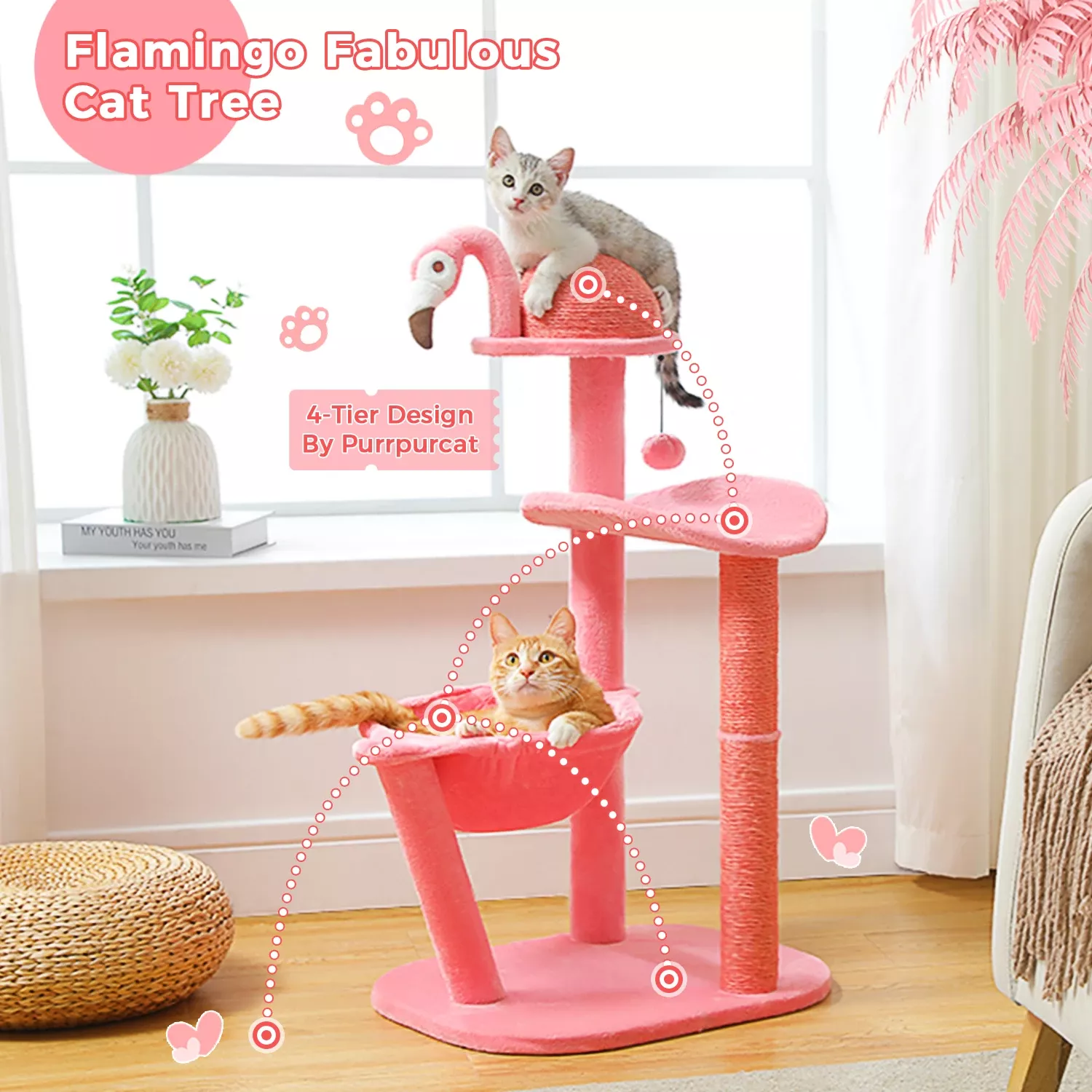 Charming Pink Flamingo Multi-Level Cat Tree with Hammock & Scratching Posts A broad, planted base keeps every level steady for confident climbing and perching. US $61.97 US $192.23 |
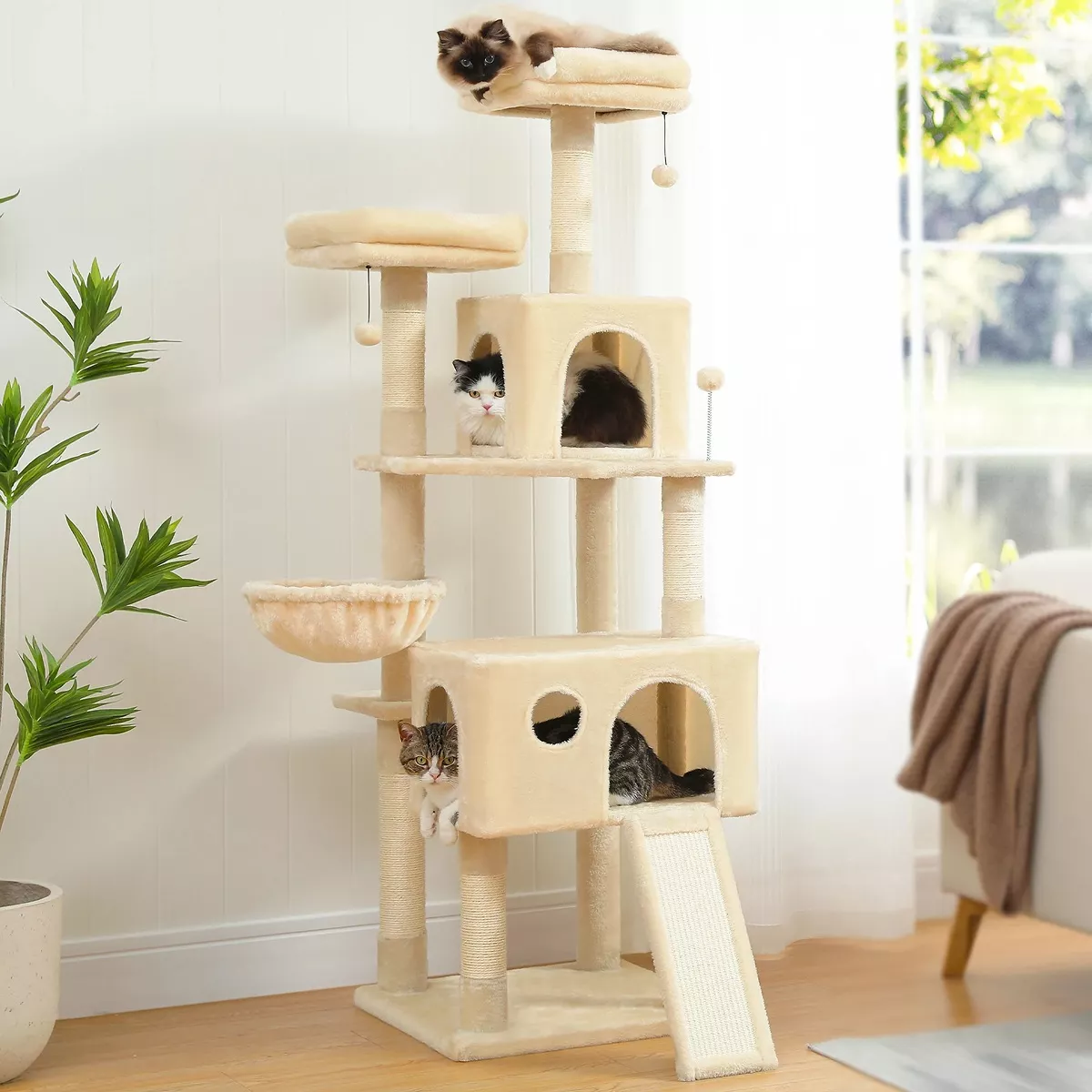 Multi-Level Cat Tree with Cozy Perches, Stable Climbing Frame, Scratch Board & Toys A wide, stable frame turns the wobbliest corner of the room into a fixed warm perch. US $80.67 US $221.00 |
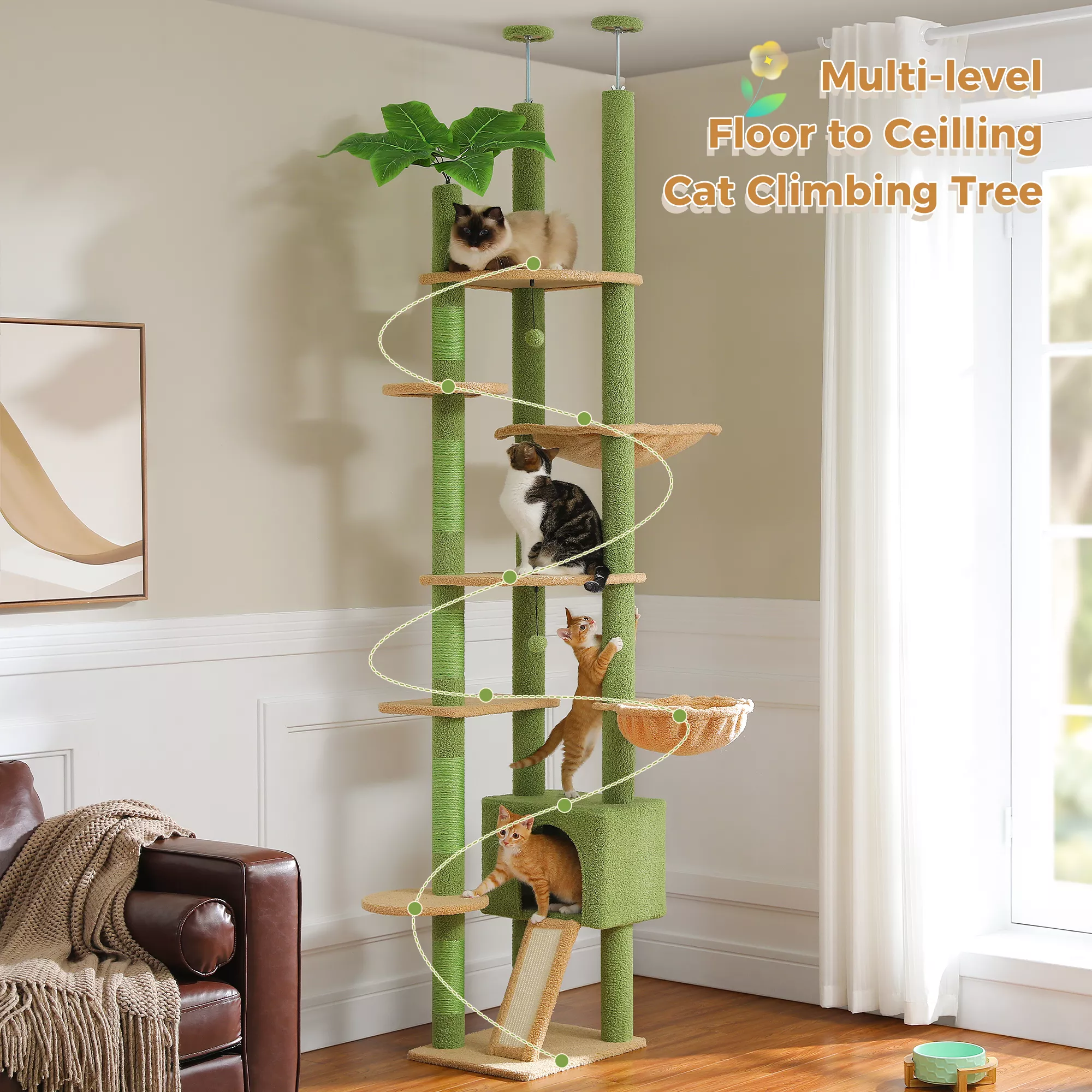 Cactus Cat Tree Floor-to-Ceiling Cat Tower with Adjustable Height Anchored floor to ceiling, so the tallest nap spot never wobbles or walks. US $75.01 US $162.49 |
