

Best Cat Beds for Cats in Laundry Rooms in Winter: Warmth, Safety & Clean Comfort
Laundry rooms can look like cozy winter spaces. Dryers release warmth, clean towels carry familiar scents, and the room may be quieter than the rest of the home. But laundry areas also contain chemical products, appliance doors, cords, vibration, lint, water connections, and slippery hard floors. A cat bed belongs there only when the entire setup is safe.
The best cat beds for laundry rooms have a thick insulated base, washable cover, non-slip underside, raised draft-blocking edges, and a placement well away from appliance doors, hoses, vents, and detergents. Self-warming donut beds, broad-opening caves, and low-entry bolsters can provide passive warmth without relying on dryer heat.
This guide covers appliance safety, cold floors, detergent storage, moisture, noise, ventilation, kittens, seniors, cleaning, and no-electric warmth. For a plush washable option, explore the Winter Warm Pet Bed.

Quick answer: Is a laundry room a safe place for a cat bed?
It can be, but only when detergents and chemicals are locked away, appliance doors remain closed, the floor stays dry, lint and cords are controlled, and the bed sits outside the washer and dryer access area. The cat must always have a clear exit.
Never use an operating dryer as the bed’s heat source. A self-warming bed in a safely heated room is a better starting point.
Why cats like laundry rooms
Cats may be attracted to residual warmth, quiet corners, soft towels, and the owner’s scent. A laundry room can also provide separation from dogs, children, or household activity.
Preference does not prove safety. Cats may climb into open machines, hide behind appliances, or lie near warm vents. The room must be secured before adding a permanent sleeping spot.
Washer and dryer safety
Keep washer and dryer doors closed whenever they are not being loaded. Before every cycle, visually and physically check the drum. Never assume the cat is elsewhere.
Do not place the bed on top of an appliance, between machines, behind the dryer, or where an opening door can strike it. Vibration can also move a lightweight bed or frighten a sleeping cat.
Detergent and chemical hazards
Laundry pods, liquid detergent, bleach, stain remover, dryer sheets, and cleaning concentrates can be dangerous if chewed, licked, inhaled, or spilled on paws. Store every product in a closed locked cabinet that the cat cannot open.
Clean spills immediately and keep the cat out until the surface is fully safe. Contact a veterinarian or pet poison resource promptly after suspected exposure.
Best bed styles for laundry rooms
Self-warming donut beds
A donut bed creates a protected curl-up area without cords. Raised edges help block low drafts, while a thick center separates the cat from tile or concrete.
Broad-opening cave beds
A cave bed gives privacy in a noisy room. Place the entrance toward the open room, never toward an appliance gap. The structure must stay stable and breathable.

Low-entry bolster beds
Bolster beds suit cats that stretch and curl. A low front helps kittens and seniors enter without slipping on the hard floor.
Washable mats
A flat mat stores easily but needs an insulating pad on cold surfaces. It can work as a secondary daytime spot when the appliances are off.
Cold floors and insulation
Laundry rooms often have tile, vinyl, or concrete floors. Put a stable non-slip insulating layer beneath the bed. If your hand can feel the cold floor through the compressed cushion, choose a thicker base.
Keep rug edges flat to prevent tripping while carrying laundry. See our cold-floor cat bed guide.
Moisture and leaks
Washing-machine hoses, utility sinks, floor drains, and condensation can create damp areas. Never position the bed beneath a connection, beside a drain, or where a leak could reach it unnoticed.
Inspect the underside regularly. Damp bedding loses insulation and may develop mold or odor. Move the cat and bed immediately if a leak occurs.
Dryer vents, lint, and airflow
Keep the bed away from dryer exhaust, intake paths, and lint accumulation. A blocked or damaged dryer vent is a household safety issue that requires proper maintenance.
Vacuum loose fur and lint around the sleeping area. Do not let blankets touch appliance vents or electrical connections.
Noise and vibration
Some cats ignore appliance noise; others become stressed. Place the bed on a stable floor rather than on or against the machine. If the cat leaves when a cycle begins, provide a quieter interior bed and never block the exit.
A sudden new fear of noise may deserve veterinary or behavioral guidance, especially in senior cats.
Self-warming versus heated beds
Self-warming beds preserve some body heat without a cord, which reduces electrical clutter in a utility room. They do not heat a cold room, so safe room temperature still matters.
Powered pet beds require dry placement and protected wiring. A laundry room with leaks, splashes, or busy appliance cords is often a poor place for additional electrical bedding.
Senior cats in laundry rooms
Senior cats need low entry, even support, and non-slip footing. Place the bed outside the door swing and laundry-carrying path. Keep food, water, and litter accessible elsewhere so the cat does not depend on this room.

Older cats may not move quickly when a machine starts. A quiet backup bed is essential. See our senior-cat winter guide.
Kittens and appliance gaps
Kittens can crawl behind machines, into open drums, and beneath cabinets. Block unsafe gaps, supervise closely, and keep their main bed in a warm interior room. Check appliances every time before use.
Multi-cat households
A small utility room may not provide enough exits for several cats. Avoid crowding multiple beds between appliances. Give each cat another sleeping option in a different room.
Cleaning the bed
Laundry rooms collect lint, dust, detergent residue, and humidity. Vacuum frequently, wash removable covers according to the label, and dry every layer completely.
Do not put a damp cover back on the bed just because the dryer is nearby. Follow the care label. Our winter cleaning routine can help.
Quick safety checklist
- Appliance doors always checked and closed
- Detergents locked away
- Bed outside appliance door swings
- No placement behind or between machines
- Dry non-slip insulated floor
- Clear exit and walkway
- No blocked vents or cords
- Regular leak inspection
- Quiet backup bed available
- Washable cover and resilient base
Frequently Asked Questions
Can a cat sleep in a laundry room?
Yes, if the room is dry, secure, comfortably heated, and free from accessible chemicals and appliance hazards. The cat should have another bed elsewhere.
Can a cat sleep on top of a dryer?
No. The surface can vibrate, heat unevenly, and place the cat near an opening appliance. Use a stable floor-level bed instead.
How do I keep my cat out of the washer and dryer?
Keep doors closed, check drums before every use, block unsafe access, and provide a more appealing bed away from the machines.
What bed is best for laundry-room tile?
Choose a thick donut, cave, or bolster bed with a non-slip insulating layer beneath it.
Are dryer sheets safe around cats?
Store them securely and prevent chewing or licking. Contact a veterinarian after suspected exposure.
Are self-warming beds useful in laundry rooms?
They provide passive cord-free warmth, but the room still needs to remain dry and safely heated.
Warmth without appliance risk
A laundry-room cat bed can work when safety comes first. Keep the bed dry, insulated, washable, and completely separate from machines, chemicals, hoses, and vents.
Related Articles
- Winter Pet Bed Cleaning Routine
- Best Washable Cat Beds for Winter
- Best Cat Beds for Cold Floors
- Best Self-Warming Cat Beds for Winter
- Best Cat Beds for Tiny Homes and Studios
More From the Winter Warm Pet Bed Collection
 |
Shop the Winter Warm Pet Bed collection
Picks From Our Friends at RuleNo
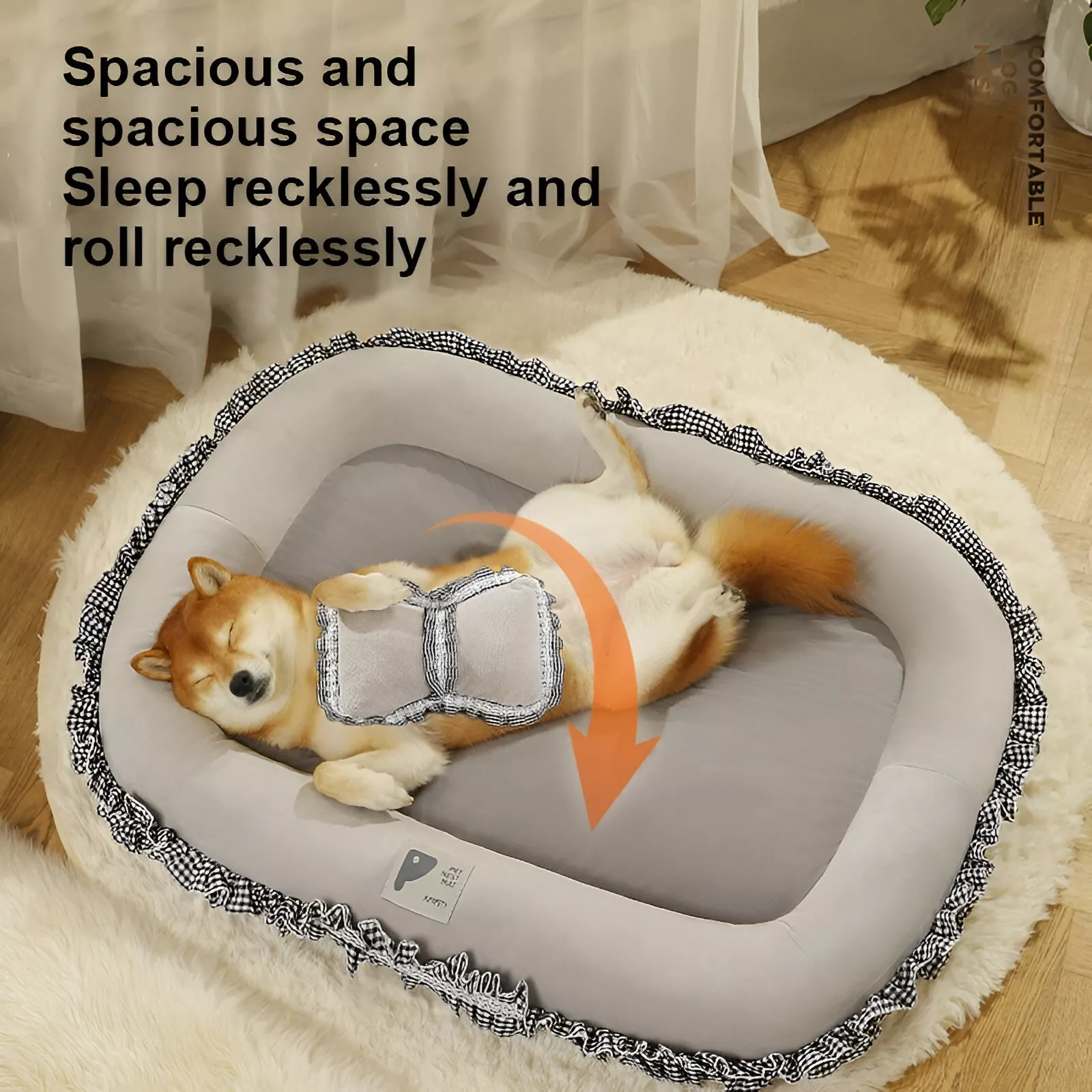 Cozy Warm Dog & Cat Bed Soft washable-style comfort for a safe utility-room corner. US $24.51 |
 Cozy Cat Bed Cave A quiet retreat away from appliance noise. US $38.51 |
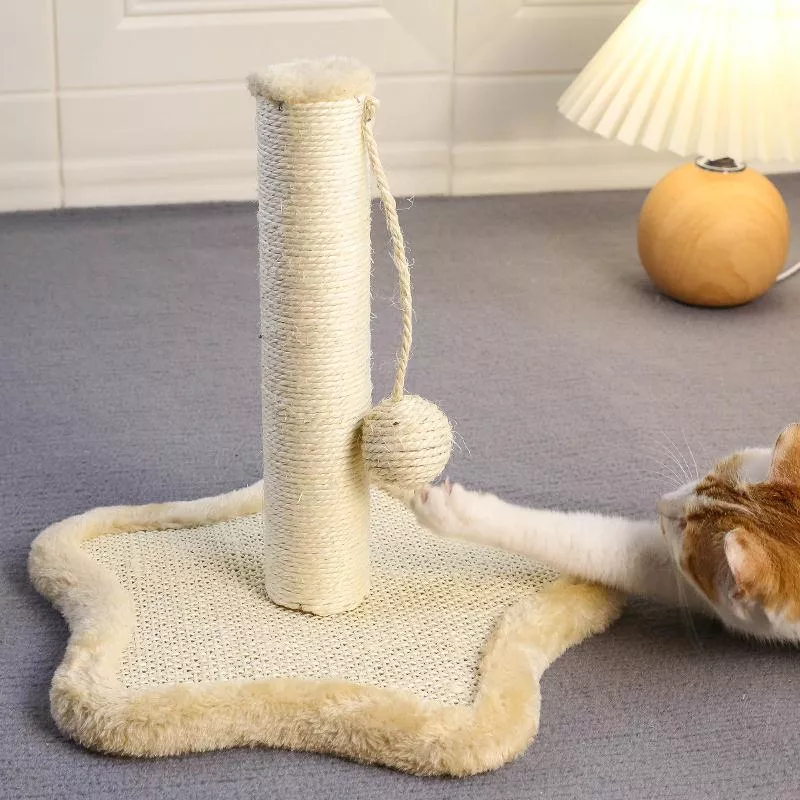 Compact Cat Scratching Post A small activity zone for a clean interior room. US $25.67 |
