

Best Cat Beds for Cats in Walk-In Pantries in Winter
A walk-in pantry may seem quiet and warm, but shelves, heavy containers, food hazards, cleaning products, appliances, doors, and narrow retrieval routes create risks for a resting cat. The safest bed belongs in a protected interior-wall nook outside the storage and doorway path.
The best pantry cat beds have an insulated base, non-slip underside, washable cover, supportive sides, and a clear exit. Every body image below links directly to Winter Warm Pet Bed.

Quick answer: Where should a cat bed go in a walk-in pantry?
Place it in a protected alcove beside an interior wall, away from shelves, heavy containers, appliances, cleaning supplies, and the route used to retrieve food. Face the entrance toward a clear exit.
Best bed styles
Donut beds
A donut offers warm raised sides and a compact footprint. Use a non-slip base so it stays outside the walking path.
Broad-opening cave beds
A cave can retain warmth and reduce visual activity. Choose a broad entrance and never wedge it behind shelves or appliances.

Low-entry bolster beds
Low bolsters suit senior cats and cats that stretch. Keep them clear of the door swing and retrieval path.
Anchor pantry shelving
Secure tall shelving according to its instructions. Store heavy containers low, avoid overloading shelves, and keep nothing heavy or breakable above the bed.
Food containers
Use sealed containers that cannot be opened or knocked down easily. Clean spills promptly so the cat does not eat unsafe ingredients.
Foods that are unsafe for cats
Keep chocolate, coffee, alcohol, onions, garlic, grapes, raisins, xylitol products, yeast dough, macadamia nuts, and concentrated flavorings inaccessible.
Glass jars and canned goods
Keep jars away from shelf edges and stack cans only in stable organizers. Inspect the floor carefully after any breakage.
Cleaning products
Store cleaners, detergents, pest products, and chemicals in closed cabinets, ideally outside the pantry. Never place them above or beside the bed.
Small appliances
Keep appliance vents clear and cords protected. Unplug idle appliances where appropriate, and never run wiring under the bed or rug.
Pantry doors
Check the cat’s location before closing the door. Avoid any setup that could trap the cat without water, litter access, ventilation, or an exit.
Narrow aisles
The bed must not reduce the walking width or create a trip hazard while someone carries containers. If the pantry is too narrow, place the bed immediately outside it.
Cold floors
Tile, stone, concrete, and wood can draw warmth away. Use a thick insulated bed on a stable non-slip rug.
Read our cold-floor cat-bed guide.
Heaters and heating pipes
Keep the bed, paper goods, and food packaging outside all heater clearances. Never use a portable heater unattended in a pantry.
Ventilation and moisture
Do not block vents. Keep bedding dry, address leaks promptly, and avoid humid corners where fabric may develop odor or mildew.
Senior cats
Senior cats need low entry, supportive fill, stable footing, and a clear route to food, water, and litter. Avoid forcing them to step over thresholds or stored items.

See our senior-cat winter guide.
Kittens
Kittens climb shelves, chew packages, enter boxes, and slip behind appliances. A pantry is not suitable for unsupervised kitten sleep unless every hazard is secured.
Cleaning the bed
Vacuum crumbs and dust, wash removable covers according to the label, and dry every layer completely. Inspect beneath the bed for spilled ingredients, pests, moisture, and damaged packaging.
Pantry safety checklist
- Protected interior-wall nook
- Stable anchored shelving
- Heavy containers stored low
- Food sealed securely
- Cleaning products inaccessible
- Appliance cords protected
- Door cannot trap the cat
- Storage route remains clear
- Non-slip insulated base
- Clear exit
Frequently Asked Questions
Can a cat bed go under pantry shelves?
Only when shelving is securely anchored and nothing heavy, sharp, or breakable can fall. A separate alcove is safer.
Can a cat sleep in a pantry with the door closed?
No. The cat needs reliable access to water, litter, ventilation, and an exit.
Is a cave bed suitable?
Yes, if it has a broad entrance and sits away from storage, appliances, and the doorway route.
What if food spills near the bed?
Move the cat away, identify the ingredient, clean thoroughly, and wash affected bedding before reuse.
Is a self-warming bed useful?
Yes. It provides passive cord-free insulation in a normally heated pantry.
What is best for a senior cat?
A low-entry supportive bed on a non-slip surface with no obstacles in the exit path.
Final recommendation
Choose a warm, stable, washable bed in a protected nook. Anchor shelves, seal food, store chemicals securely, and keep the pantry aisle and doorway completely clear.
Related Articles
More From Winter Warm Pet Bed

Fresh Picks From RuleNo
Prices checked September 20, 2026 and may change.
 Lightweight 20KPa Cordless Vacuum US $92.01 |
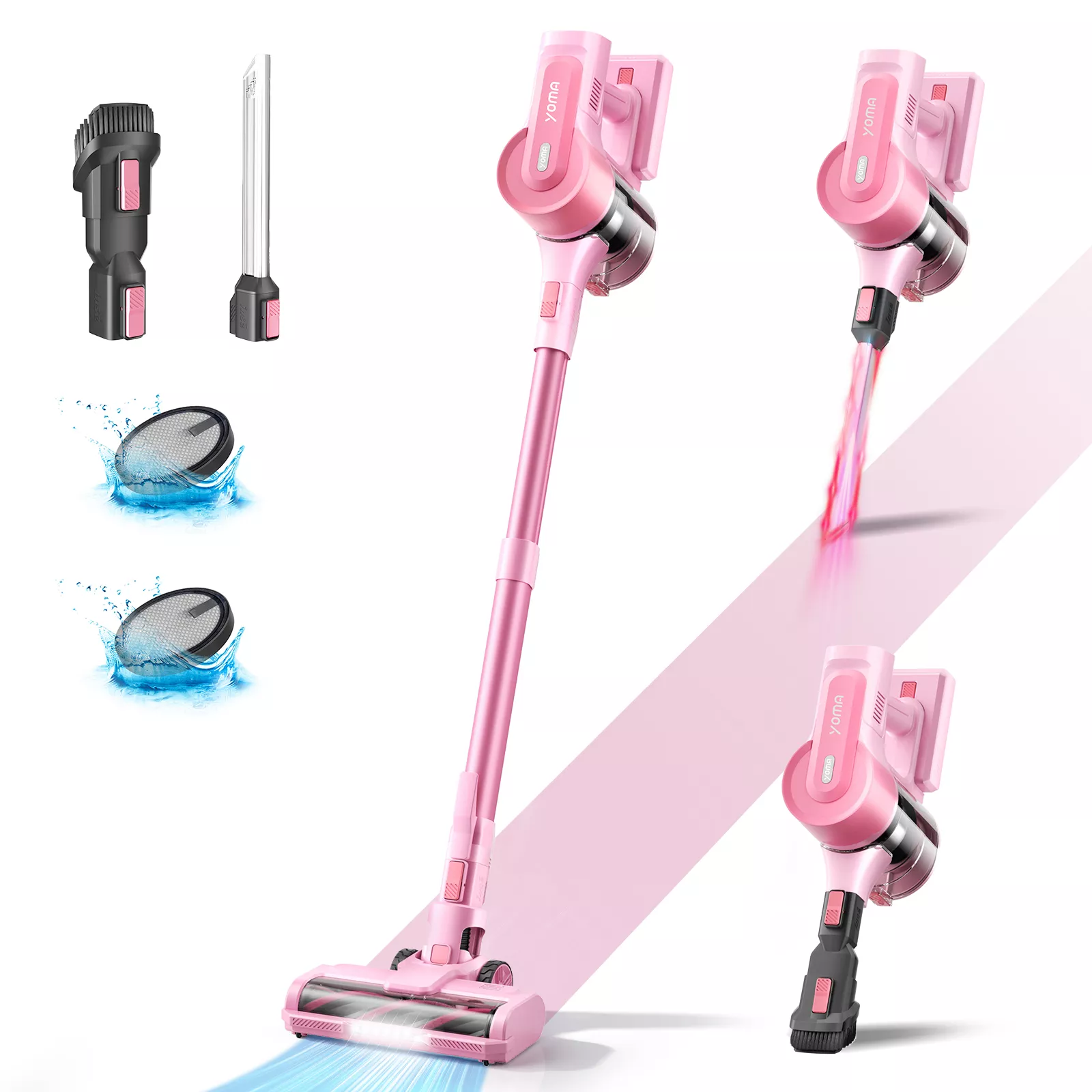 S11 Pro Pet-Hair Stick Vacuum US $130.17 |
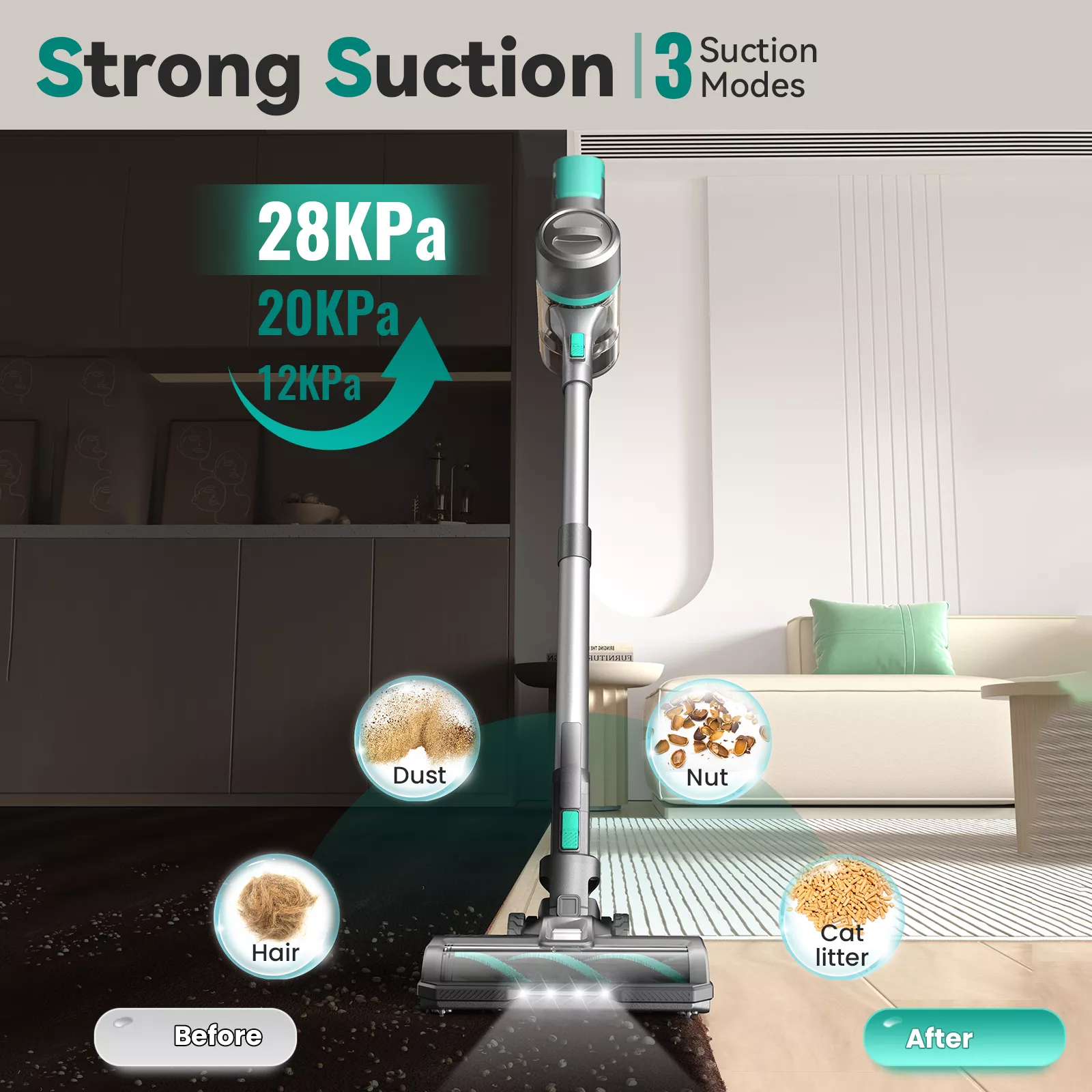 28KPa Three-Mode Cordless Vacuum US $76.51 |
