

Best Cat Beds for Cats in Kitchens in Winter: Warmth Without Cooking Hazards
Kitchens can feel warm and social in winter, which makes them attractive to cats. A cat may want to watch meal preparation, sit near the family, or nap on a patch of sunlight beside the breakfast table. But kitchens also contain hot appliances, sharp tools, dropped food, cleaning chemicals, slippery floors, and busy foot traffic.
The best cat beds for kitchens have a thick insulated base, non-slip underside, washable cover, compact footprint, and a placement safely outside the cooking triangle. Donut beds, broad-opening caves, and low-entry bolsters can give a cat a defined winter resting place without putting it beneath feet or beside hot equipment.
This guide covers cold tile, stove and oven safety, food hygiene, appliance doors, cleaning products, seniors, kittens, and no-electric warmth. For a plush compact option, explore the Winter Warm Pet Bed.

Quick answer: Where should a cat bed go in a kitchen?
Place it in a quiet dining nook or beside an interior wall, outside the path between sink, stove, refrigerator, and counters. Keep it beyond every appliance door swing, away from food preparation, and on a dry non-slip insulating layer.
If the kitchen cannot provide a clear, sanitary, low-traffic zone, place the bed in an adjacent room instead.
Why cats like kitchens
Kitchens provide warmth, food smells, family activity, and predictable routines. A dedicated bed can reduce unsafe floor sitting and give the cat an alternative to counters and chairs.
The bed should not reward begging beside the stove or create a tripping hazard while people carry hot dishes.
The cooking triangle
The main path between stove, sink, and refrigerator is the busiest part of most kitchens. Keep the bed completely outside it. Also check cabinet, dishwasher, and oven doors that may open into the sleeping area.
Mark the full door swings before selecting the bed location. A quiet corner that looks empty may become blocked when an appliance opens.
Best bed styles for kitchens
Compact donut beds
A donut bed creates a warm boundary in a small footprint. Raised sides help a curled cat feel protected while the thick base reduces cold-floor contact.
Broad-opening cave beds
A cave bed provides visual privacy from household activity. Place the entrance toward the room, never toward an appliance gap or wall where the cat can be trapped.

Low-entry bolster beds
Bolster beds suit cats that stretch and curl. A low front helps seniors enter, while the raised back can face a cool wall or window.
Washable mats
A mat is easy to clean but needs insulation on tile. Use it as a secondary daytime spot rather than the only winter bed.
Cold tile and floor insulation
Tile and stone draw heat away from a compressed bed. Place a stable non-slip rug pad or dense insulating base underneath. If your hand feels the cold floor through the center, choose deeper fill.
Keep rug edges flat to prevent trips. Read our cold-floor cat bed guide.
Stove and oven safety
Never place a bed beside the stove, oven, warming drawer, or cooktop. Hot doors, steam, splatter, and dropped pans create severe risks. Keep cats away from cooking surfaces even after use because burners can remain hot.
Use room layout, barriers, and a more appealing distant bed rather than expecting the cat to judge appliance temperature.
Refrigerator and dishwasher doors
A cat resting near a refrigerator can be struck by the door or trapped behind it. Dishwashers may release hot steam and expose sharp utensils or detergent.
Keep the bed beyond the full opening range and close appliances promptly. Check inside before operation.
Food hygiene
Keep the bed away from counters, pantry storage, and food preparation surfaces. Vacuum fur and crumbs regularly. Do not place food bowls inside the bed, where spills can create dampness and odor.
Discard unsafe dropped food promptly. Many common ingredients can be harmful to cats.
Cleaning chemicals
Store cleaners, dishwasher pods, pest products, and disinfectants in secure cabinets. Clean spills immediately and keep the cat away until the area is safe and dry.
Contact a veterinarian or pet poison service after suspected exposure.
Self-warming versus heated beds
A self-warming bed preserves body heat without adding a cord to a busy room. It is often the simpler choice for a safely heated kitchen.
Powered beds require dry placement and protected wiring. Keep every cord away from water, appliances, and walkways. Human heating pads are not safe substitutes.
Kitchen windows and exterior doors
Breakfast nooks often sit near glass doors or windows. Leave space from cold panes, test for drafts at floor height, and move the bed away from condensation.
See our cold-window guide and exterior-door guide.
Senior cats in kitchens
Senior cats need low entry, even support, and a clear path. Place the bed where the cat can stay near the household without crossing beneath feet.

Older cats may move slowly when an appliance opens. A second bed in a quieter room is essential. See our senior-cat winter guide.
Kittens in kitchens
Kittens may crawl behind appliances, chew cords, and run beneath feet. Their main bed belongs in a warm supervised area outside the kitchen unless a truly secure nook exists.
Multi-cat homes
A compact kitchen may not support multiple safe beds. Give cats separate resting areas in adjacent rooms so they do not compete in the traffic zone.
Cleaning a kitchen cat bed
Vacuum crumbs and fur frequently. Wash removable covers according to the label and dry every layer completely. Inspect the underside for spills, grease, and moisture.
Our winter cleaning routine can help.
Quick safety checklist
- Outside the cooking triangle
- Beyond appliance door swings
- Away from hot surfaces and steam
- Dry non-slip insulated base
- Washable cover
- No cords across walkways
- Cleaning products locked away
- Clear entrance and exit
- No placement beneath counters
- Quiet backup bed available
Frequently Asked Questions
Is it safe to put a cat bed in the kitchen?
Yes, if a dry low-traffic nook exists outside cooking and appliance zones. Otherwise, use an adjacent room.
What bed is best for kitchen tile?
Choose a thick donut, cave, or bolster bed with a non-slip insulating layer underneath.
Can the bed go beside the oven?
No. Keep it away from hot doors, steam, splatter, and dropped cookware.
How do I stop my cat from lying underfoot?
Offer a warm defined bed in a safe viewing area and reward its use. Keep the location consistent.
Are self-warming beds good for kitchens?
They provide passive cord-free warmth and avoid adding wiring to a wet, busy room.
How often should I clean a kitchen cat bed?
Inspect it frequently and clean whenever it collects food, grease, moisture, or odor. Follow the care label.
Keep the cat close, not underfoot
The best kitchen cat bed creates a warm, washable, insulated resting zone away from cooking, food preparation, appliances, and walkways. A dining nook or adjacent-room corner is usually safer than the main work area.
Related Articles
- Best Cat Beds for Cold Floors
- Best Washable Cat Beds for Winter
- Best Cat Beds Near Exterior Doors
- Best Cat Beds for Tiny Homes and Studios
- Best Self-Warming Cat Beds for Winter
More From the Winter Warm Pet Bed Collection
 |
Shop the Winter Warm Pet Bed collection
Picks From Our Friends at RuleNo
Three different RuleNo picks selected for this article. Prices checked September 19, 2026 and may change.
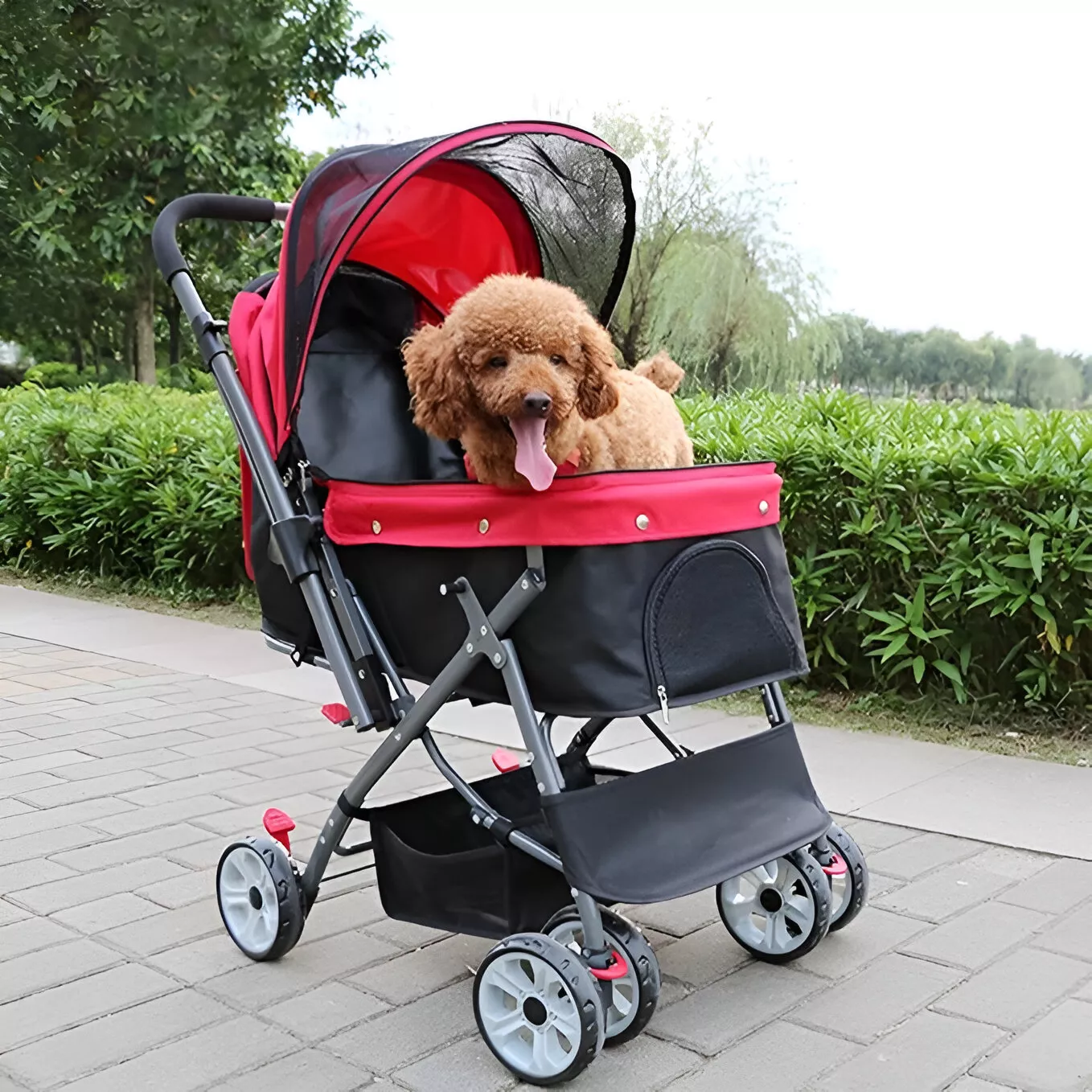 Foldable Pet Stroller with Two-Way Design A mobile enclosed option for larger pets and outdoor trips. US $341.51 |
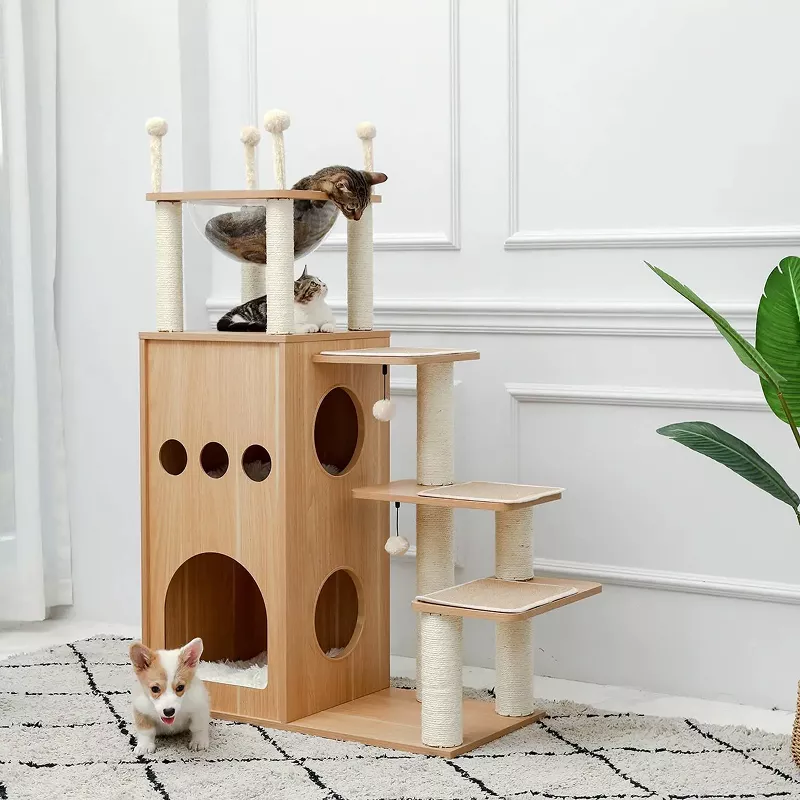 Modern Cat Tree with Spacious Condos Elevated lounging, hammocks, and scratching away from kitchen traffic. US $203.01 |
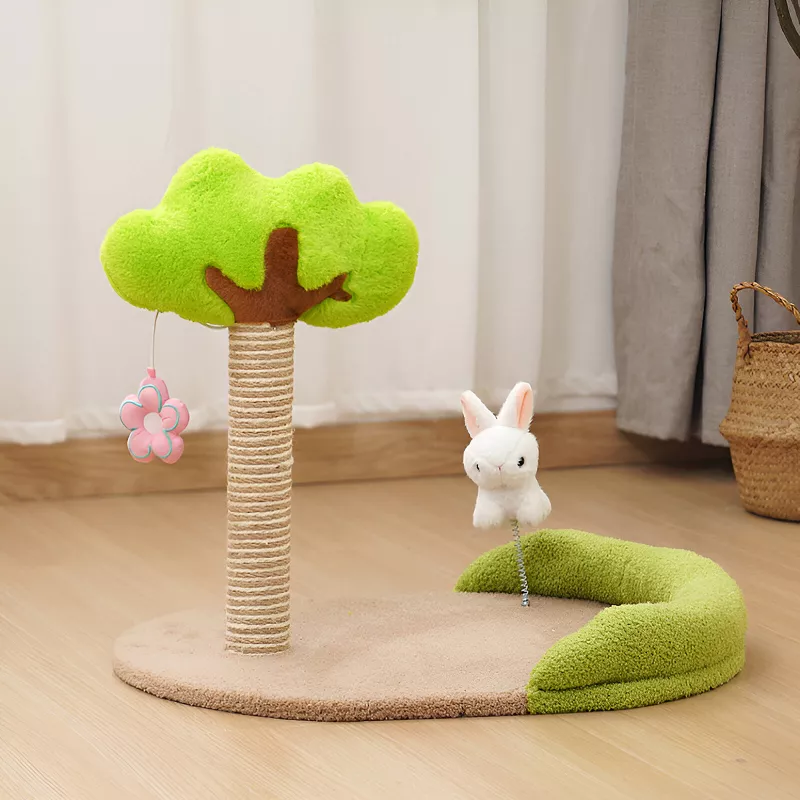 Cat Scratcher Tree House A dedicated activity and rest zone outside food-prep areas. US $225.51 |
