

Best Donut Cat Beds for Winter: The Complete Curl-Up Guide
The donut bed is the shape cats keep choosing, and winter is when the choice pays off most. A plush round bed with a tall, soft rim does three things a flat cushion cannot: it gives the curled cat a headrest it can lean into, it blocks drafts from every side, and it pools the cat's body heat in a snug circle instead of letting it spill across an open surface. Cats sleep curled most of the year and curl even tighter in the cold months, so a bed built for the curl is built for winter. In this guide we'll cover why cats love the donut shape, what separates a good donut bed from a bad one, the three winter designs that work best, and how to place and care for one so it stays fluffy, fresh, and inviting all season.
This guide extends the donut work we've done across the store: the shape instinct in our why cats like donut beds article, the full design breakdown in the donut pet bed guide, and the warmth choices in our warm cat beds guide. It also pairs with the self-warming cat beds guide for no-electric warmth and the winter cleaning routine for keeping a plush bed fresh.
Why Cats Choose the Donut Shape
The curl is a cat's resting position for good reasons: it conserves heat, protects the belly, and keeps the head and vital organs tucked. A donut bed answers that posture directly. The raised rim gives the curled cat something to press its back and head against, which is the physical comfort behind the security feeling we describe in our raised-edges anxiety article. The circular wall also blocks drafts and traps the warm air the cat generates, so the center of a donut bed stays measurably warmer than the same volume of open floor. That is why a cat that has used a donut bed all summer still seeks it out in winter, while an ignored flat cushion stays empty.
There's a hygiene note too. Because the rim is the high point, the fur and dander it collects wipe off easily, and the deep center holds the cat's warmth without holding moisture — as long as the fill and cover are built right, which is exactly what the buying criteria below check.
What to Look For in a Donut Cat Bed
The best donut beds combine the right shape with the right build quality:
- A tall, soft rim. The wall should be high enough to rest a head against but compressible enough to sleep on — a hard, tall wall goes unused.
- A deep, insulating center. A thick base keeps the curled cat off the cold floor, the main drain covered in our cold floors guide.
- Plush but breathable fabric. Faux fur feels warm instantly and invites the kneading behavior cats show in the round fur bed digging article, but the weave should still let humidity escape.
- A snug footprint. An 18 to 20 inch diameter suits most cats; larger breeds may need 22 to 24 inches, but resist the urge to oversize — an empty half-circle behaves like a drafty room.
- Fill that rebounds. High-loft fiber fill recovers after washing; flat, matted fill loses the rim's headrest value within a season.
- A removable, washable cover. Winter naps mean more dander, and the wash rhythm in our cleaning guide only works if the cover comes off easily.
- A non-slip base. The bed should stay put on hardwood and tile when the cat spins and settles.
- Low, easy entry. Seniors and kittens should be able to walk or step in without a jump, the same priority we set in the senior cats guide.
- Color and texture that hide wear. Mid-tone plush shows less between washes than snow-white fabric.
If the bed is destined for a nervous cat, the same rules from our anxious cat guide apply: place it with a wall behind it, away from the busiest traffic line, so the enclosed feel works for the cat instead of against it.
The Best Donut Cat Bed Styles for Winter
Deep-center donut beds for the tight curler
The classic design, and the one most cats adopt first: a circular wall around a deep, plush center. In winter, the depth matters more than the diameter — the cat should sink in enough that the wall rises above its body line, which is what turns the circle into a heat pocket. This is the bed for the cat that spins twice and collapses into a ball, and for the senior that sleeps the long winter hours through. Place it out of the draft line and the design does the rest; the cat's own heat stays inside the rim instead of escaping across an open surface.

The curl-up classic — shop the Winter Warm Pet Bed
Extra-large donut beds for shared naps
In multi-cat homes, winter changes the social math: two cats that split the furniture all year may share a bed once the house turns cold, and a donut is the shape that makes sharing comfortable — a shared rim gives each cat a headrest and a wall, and the circle lets them curl back-to-back without contact they didn't choose. A 24 to 27 inch donut serves a pair of average cats; anything smaller forces a wedge that one of them will abandon. The multi-cat dynamic echoes what we cover in the sleeping-together guide for dogs: shared warmth works only when each animal has its own edge of the space.

One big warm circle — see the details
Low-entry donut beds for seniors and kittens
Age changes the curl. A senior cat with stiff hips still wants the rim's security but cannot climb a tall wall, and a kitten wants the same warmth in a size it can fill. The right choice is a donut with a lower front wall or a walk-in opening, a dense insulating base, and plush that compresses easily — support without the climb. For seniors, the joint-support side lives in our senior cats article; the entry-height principle is the same one we apply in every winter bed we recommend: the warm spot should ask nothing of the cat that uses it.

Warmth without the climb — shop the collection
Placement: Where a Donut Bed Belongs
A donut bed earns its keep in the spot the cat already treats as its own: the quiet corner of the family room, the foot of the bed, the chair by the radiator. Put it out of the draft path, on a rug or mat if the floor is tile or hardwood, and with a wall behind it so the cat can watch the room from inside the circle — the territorial comfort covered in our anxious cat guide. A corner near a window that catches afternoon sun lets the plush hold the day's warmth into the evening. Let the cat choose between its spots: the bed it returns to on its own is the one to keep, and the room-by-room logic in our winter setup guide applies to cats just as well.
Our Top Pick for Cats
Our top recommendation is the plush round bed with tall soft walls, a thick insulating base, and a washable faux fur cover — the design that keeps winning our winter guides because it answers every winter question at once: a rim the curled cat can lean into, a dense base that lifts it off the cold floor, a cover that removes and washes fast, and a footprint that fits everything from a kitten to a large cat. Pair it with a second cover in rotation, the winter-cleaning trick that keeps any bed fresh, and the coldest months stop being a threat to the bed entirely.

Shop the Winter Warm Pet Bed — the top pick for cats this winter
Quick Buying Checklist
Before you order, run any donut cat bed through this list:
- Tall, soft rim the cat can lean and sleep against
- Deep, insulating center that lifts the cat off cold floors
- Plush but breathable fabric that never traps condensation
- Snug 18 to 20 inch footprint (24 to 27 inches for a pair)
- High-loft fill that rebounds after washing
- Removable, machine-washable cover
- Non-slip base for hardwood and tile
- Low or walk-in entry for seniors and kittens
- Mid-tone color that shows less between washes
- A size matched to the cat's age and body
Caring for a Donut Bed Through Winter
The donut is easy to maintain if you protect its shape. Vacuum the plush weekly, wash the cover on the one to two week cycle in our winter cleaning guide, and dry it completely before it goes back on — damp plush matts and loses its loft. Keep a spare cover in rotation so the bed never sits empty during a wash. Fluff the rim by hand after each wash to restore the headrest, and replace the bed when the fill stops recovering: a flat rim is the first sign, and the replacement guide walks the full decision. The washing itself is gentle — cold or gentle cycle, mild detergent, no fabric softener — the same rules that protect any plush winter bed.
Related Articles
- Why Do Cats Like Donut Beds? The Complete Answer
- Best Warm Cat Beds for Winter: Self-Warming, Cave & Donut Guide
- Best Self-Warming Cat Beds for Winter: The Complete No-Electric Guide
- Best Cat Beds for Cold Floors: Warmth for Tile & Hardwood Winters
- Cat Bed with Raised Edges for Anxiety: The Complete Guide
Frequently Asked Questions
Why do cats prefer donut beds over flat beds?
The rim is the reason. A curled cat instinctively presses its head and back against something, and a donut's wall provides exactly that support while blocking drafts on every side. The circle also pools the cat's body heat in a small space instead of letting it spread across an open surface, so the same cat stays warmer in a donut bed than on a flat cushion. It is comfort and warmth physics arriving in the same shape.
What size donut bed does a cat need?
Most cats are happiest in an 18 to 20 inch diameter bed — snug enough that their curled body fills it. Larger breeds like Maine Coons may need 22 to 24 inches, and two cats sharing one bed should have 24 to 27 inches so each gets an edge of the rim. Resist oversizing: the warmth of a donut bed comes from the cat filling the circle, and an oversized bed behaves like a drafty room.
Are donut beds warm enough for winter without heating?
Yes, when the build is right. The raised rim blocks drafts, the deep center insulates the cat from the floor, and the enclosed circle traps body heat — the same passive warmth principle we cover in the self-warming guide. A cat that curls tightly in a well-built donut bed generates and keeps its own heat, which is why these beds work in cold rooms and through power cuts. For the coldest spots, pair the bed with a rug underneath and a placement out of the draft line.
How do I wash a donut cat bed without ruining the fluff?
Remove the cover and wash it on a cold or gentle cycle with mild detergent, skip fabric softener, and dry it completely — then fluff the rim by hand to restore its shape. The fill should stay out of hot dryers, and high heat is what flattens plush permanently. Keep a spare cover in rotation so the bed never sits empty, and treat the plush gently: a donut bed that is washed cold and dried fully keeps its loft for seasons.
The Shape Cats Keep Choosing
Winter asks cats to sleep more and move less, and the donut bed answers both. It cradles the curl, blocks the drafts, and turns body heat into a warm pocket — no cord, no battery, nothing to switch on. Match the design to the cat — a deep center for the tight curler, an extra-large circle for the pair that shares, a low entry for the senior — put it where the cat already naps, and the shape it chose in summer becomes the warm spot it lives in all winter.
More From the Winter Warm Pet Bed Collection
The bed below comes from our Winter Warm Pet Bed collection — plush, heat-reflective, and machine-washable, sized for every pet from the smallest cat to the largest dog.
 |
Shop the full Winter Warm Pet Bed collection
Picks From Our Friends at RuleNo
Three winter picks from the RuleNo store that pair perfectly with a cozy, curl-up cat season:
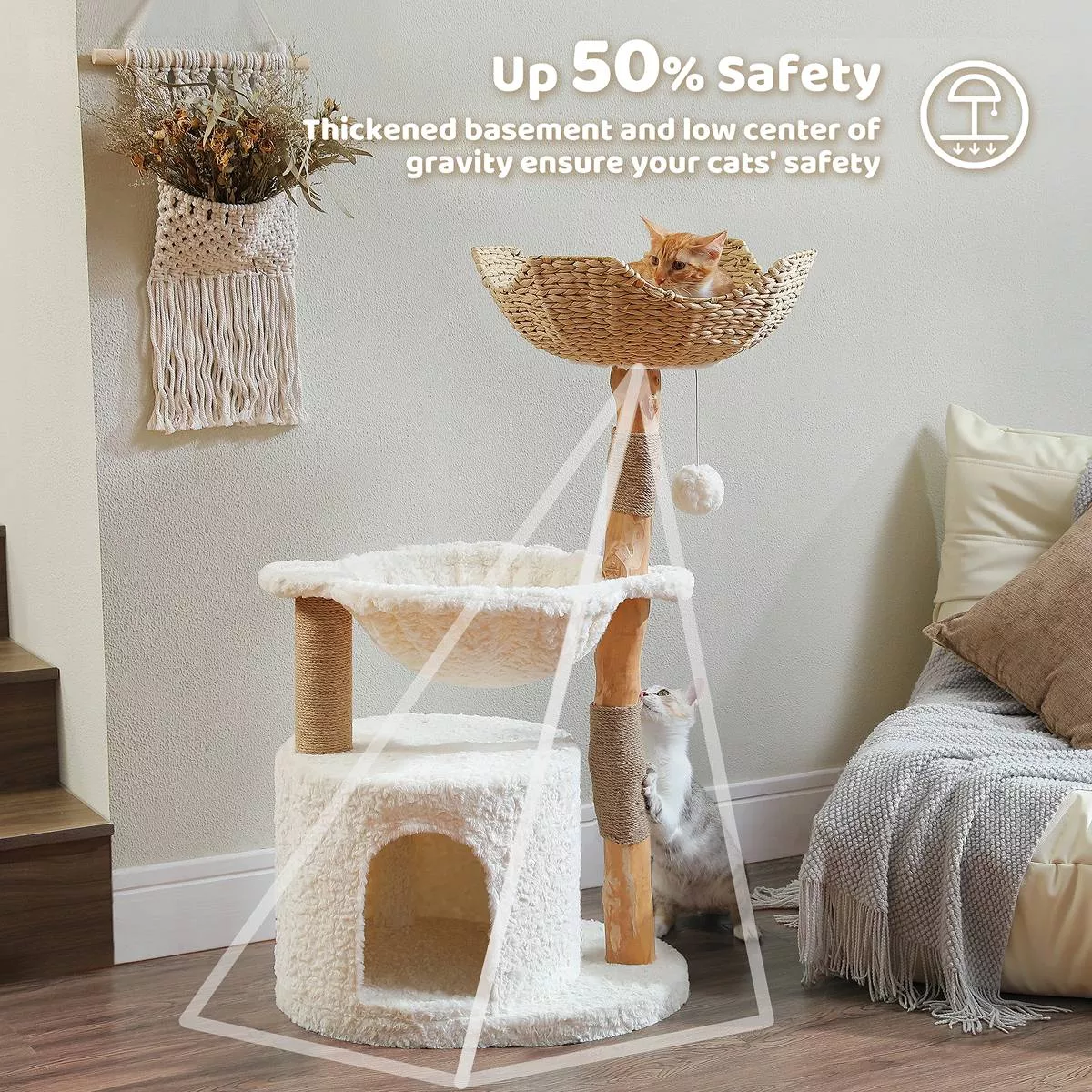 Modern Cat Tree for Large Cats with Cozy Condo, Hammock & Scratching Post A cozy condo up top gives curlers a warm, private alternative perch. US $115.32 US $202.80 |
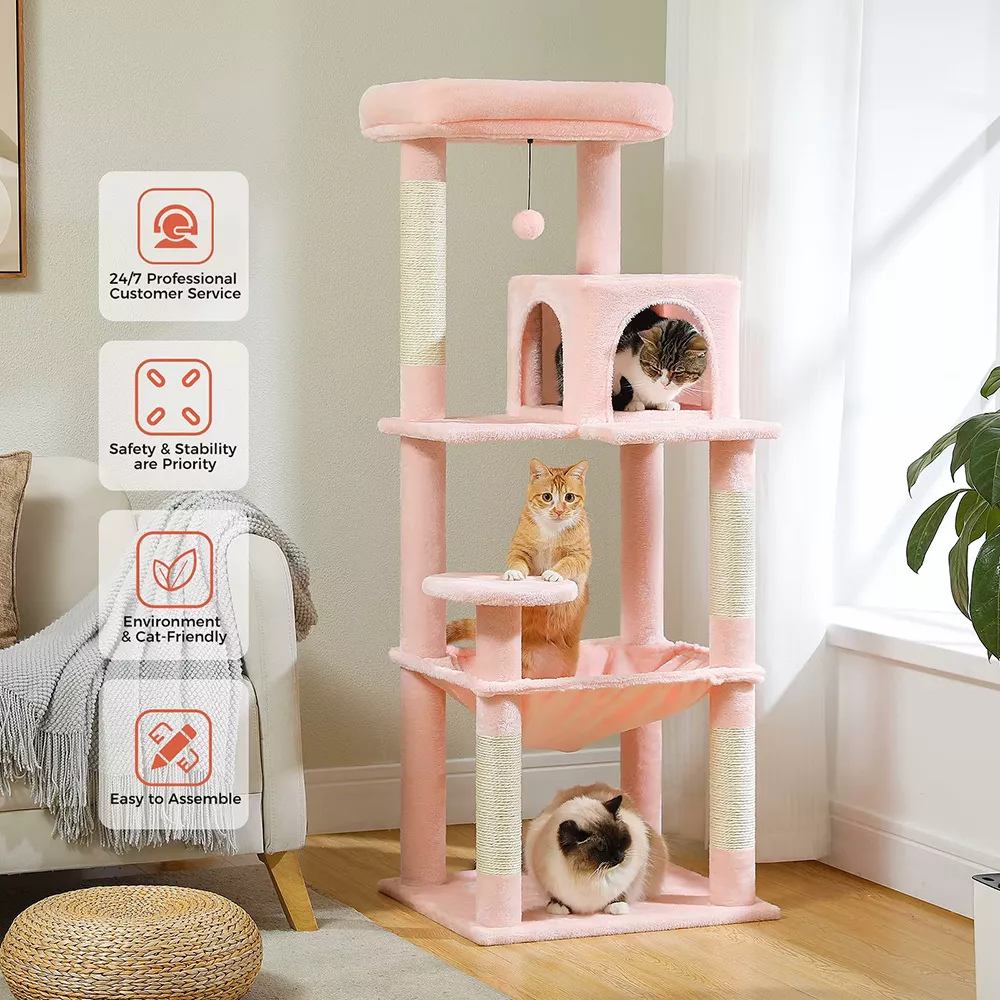 Multi-Level Cat Tree Tower with Large Hammock, Cozy Condo & Scratching Posts, Pink A large hammock and condo combo for the multi-cat household's winter naps. US $78.51 US $166.46 |
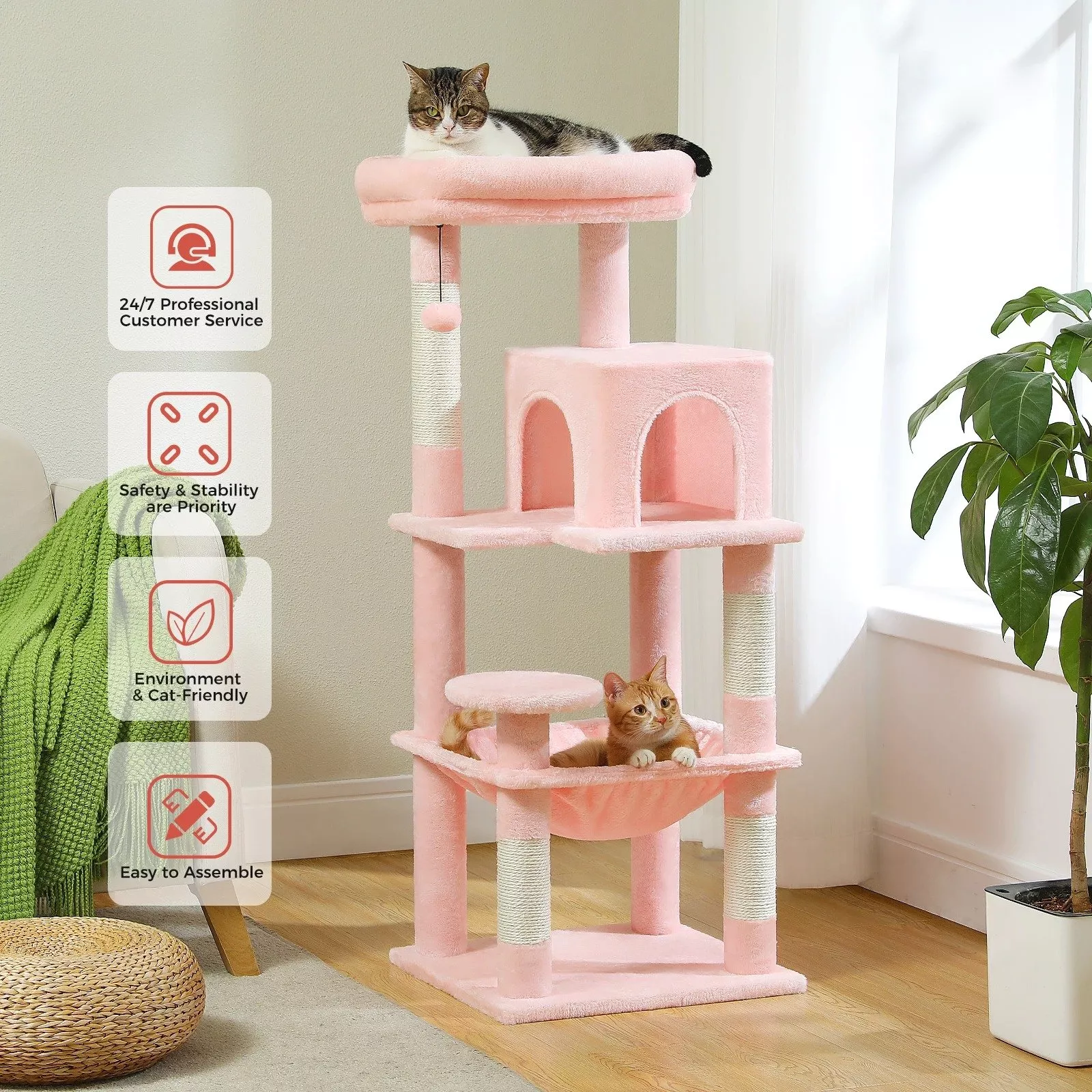 5-Level Cat Tree for Large Cats with Metal Frame Hammock and Top Perch A tall, sturdy tower with a hammock that keeps naps off the cold floor. US $55.97 US $158.60 |
