

Best Cat Beds for Cats in Bedrooms in Winter: Warm, Quiet Bedside Comfort
A winter bedroom can be one of the calmest places for a cat to sleep. It carries familiar scent, follows a predictable nighttime routine, and often stays quieter than the rest of the home. The right cat bed can keep the cat close without crowding the human bed, blocking a nighttime walkway, or sitting directly in a cold window draft.
The best bedroom cat beds have a thick insulated base, soft washable lining, raised edges or a breathable enclosure, non-slip footing, and a location that remains comfortable through the night. Donut beds, cave beds, and low-entry bolsters can all work when matched to the cat’s posture and mobility.
This guide covers bedside placement, blankets, allergies, nighttime activity, cold floors, windows, heaters, senior access, kittens, cleaning, and no-electric warmth. For a plush winter option, explore the Winter Warm Pet Bed.

Quick answer: Where should a cat bed go in a bedroom?
Place it beside the bed or against an interior wall, outside the path between the bed, door, bathroom, and light switch. Keep it away from cold glass, heating vents, dangling cords, and furniture drawers.
If the cat wants elevation, use a wide stable bench rather than a narrow nightstand. Floor-level beds are generally easier for kittens and seniors.
Why cats choose the bedroom
Cats may seek familiar scent, body warmth, quiet, darkness, and companionship. A dedicated bed gives them these benefits while creating a consistent place that can reduce movement across pillows or feet.
Some cats still prefer the human bed. Introduce the new bed gradually with familiar bedding and reward voluntary use.
Best bedroom bed styles
Donut beds
A deep donut bed suits cats that curl tightly. Raised sides hold warmth and provide a chin rest. Choose a usable center large enough for turning and partial stretching.
Cave beds
A broad-opening cave reduces light and visual activity. It can help cats that prefer privacy, but the entrance must remain clear and the structure should not collapse.

Low-entry bolster beds
A bolster bed suits cats that change between curling and stretching. A low front helps seniors enter while raised sides provide support.
Orthopedic beds
Supportive foam or resilient fill may help older cats with stiff joints. The cover should remain warm, dry, washable, and easy to replace.
Keep the nighttime walkway clear
Map the route from the human bed to the door before choosing a location. Avoid placing the cat bed where sleepy feet may step into it or where the bed edge becomes a trip hazard.
Use non-slip backing and keep rug edges flat. A small night-light may help people and senior pets navigate safely.
Cold bedroom floors
Hardwood, laminate, tile, and floors above garages can become cold overnight. Use a stable insulating rug pad or thick base. If your hand feels the floor through the compressed bed, add insulation.
Read our cold-floor cat bed guide.
Window drafts and condensation
Do not press the bed against cold glass. Leave space from the window and check for moving air at bed height. Keep the bed away from condensation and damp curtains.
See our cold-window guide.
Blanket safety
Use lightweight breathable blankets without loose fringe or large holes. The cat should enter and leave voluntarily. Do not tuck the cat tightly or use weighted blankets.
Our blanket-burrowing guide covers safe setup in detail.
Self-warming versus heated beds
Self-warming beds preserve some body heat without cords and are practical beside a human bed. They do not heat a cold room, so safe room temperature still matters.
Powered pet beds require dry placement, protected wiring, and an unheated alternative. Keep cords outside walking paths and away from bedding folds.
Allergies and bedroom hygiene
A washable cover helps manage fur, dander, dust, and skin oil. Vacuum the bed and surrounding floor regularly. Wash according to the label and dry every layer completely.
People with allergies should discuss bedroom pet exposure with a healthcare professional. A dedicated washable cat bed may support cleaning routines but does not eliminate allergens.
Nighttime activity
A cat that wakes people may need more daytime enrichment, a play session before bed, and a consistent feeding routine. The bed alone will not change every sleep pattern.
Do not punish nighttime movement. Sudden vocalizing or restlessness, especially in a senior cat, deserves veterinary attention.
Senior cats in bedrooms
Senior cats need low entry, even support, and a level route. Put the bed close enough for monitoring but outside the human footpath.

Steps or ramps may help a cat that still sleeps on the human bed, but they must be stable and placed outside the walkway. See our senior-cat winter guide.
Kittens in bedrooms
Kittens may chew cords, crawl beneath furniture, or become trapped in adjustable bed mechanisms. Block unsafe gaps, secure cables, and supervise closely. Use a low-entry bed with a clear exit.
Multi-cat bedrooms
Provide separate sleeping choices so one cat does not control the only warm spot. Place beds in different areas with independent exits.
Cleaning schedule
Vacuum fur frequently, rotate spare covers, and inspect beneath the bed for moisture and dust. Replace compressed fill or damaged backing.
Our winter cleaning routine can help.
Quick buying checklist
- Thick insulated base
- Soft washable cover
- Non-slip underside
- Raised rim or broad-opening cave
- Low entry when needed
- Clear nighttime walkway
- No cord or drawer interference
- Dry placement away from glass
- Breathable blanket option
- Usable interior matched to the cat
Frequently Asked Questions
Should a cat bed be beside the human bed?
It can be, if the position stays outside the nighttime walking route and away from drawers, cords, and cold glass.
How do I encourage my cat to use its own bed?
Place it near the cat’s current sleeping spot, add familiar scent, reward voluntary use, and keep the location stable.
Are cave beds good for bedrooms?
Yes. They can reduce light and create privacy when the entrance is broad, breathable, and easy to exit.
Can my cat sleep under a blanket?
Offer a light breathable blanket with a clear exit. Avoid heavy or weighted blankets and monitor vulnerable cats.
Are self-warming beds safe overnight?
They provide passive warmth without electricity and can be suitable when the room itself remains safely heated.
What bed is best for a senior cat?
Choose low entry, supportive filling, non-slip footing, and warm washable fabric.
Better sleep for cats and people
The best bedroom cat bed is warm, quiet, washable, and positioned where neither the cat nor the sleeping person will be disturbed. A consistent bedside zone can offer companionship without sacrificing safety.
Related Articles
- Best Cat Beds for Cats That Sleep Under Blankets
- Best Cat Beds for Senior Cats That Get Cold
- Best Cat Beds for Cold Floors
- Best Cat Beds Near Cold Windows
- Best Washable Cat Beds for Winter
More From the Winter Warm Pet Bed Collection
 |
Shop the Winter Warm Pet Bed collection
Picks From Our Friends at RuleNo
Three different RuleNo picks selected for this article. Prices checked September 19, 2026 and may change.
 Luxury Multi-Level Flower Cat Tree A decorative bedroom climbing and rest station with a wicker bed. US $336.51 |
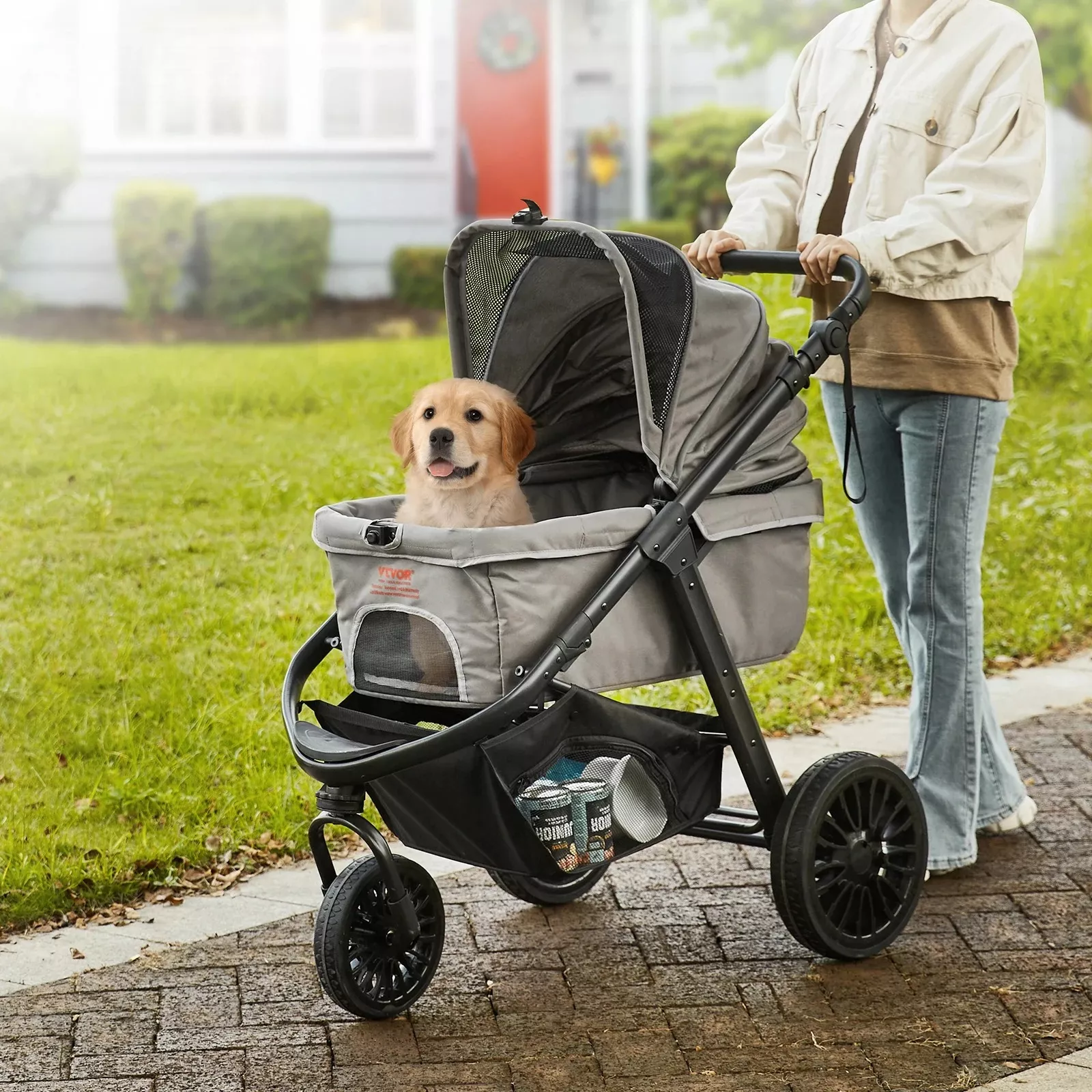 Foldable Pet Stroller A portable enclosed option for small and medium pets. US $241.82 |
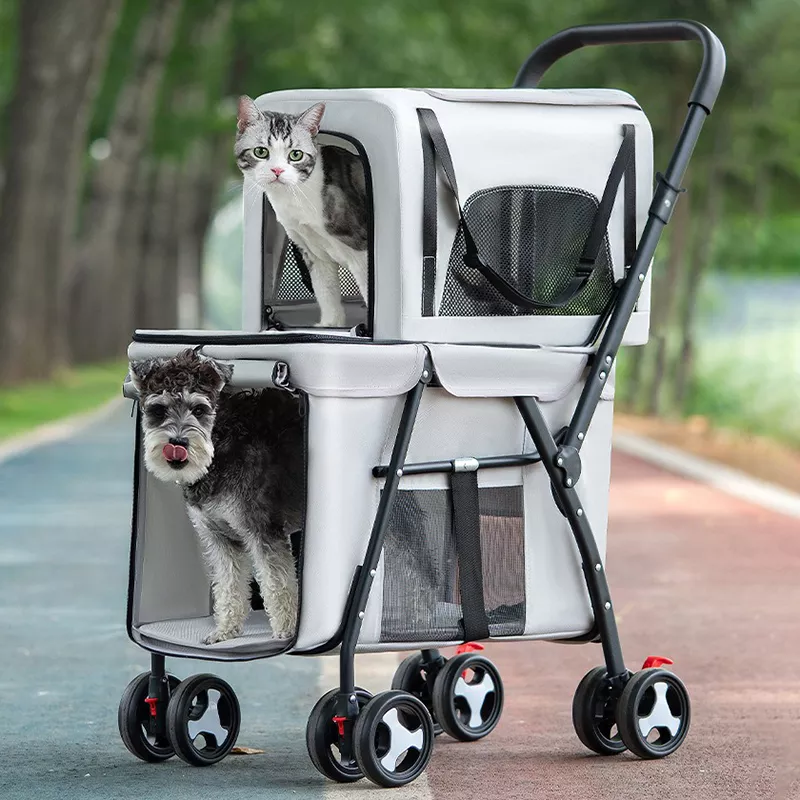 Double-Layer Foldable Pet Stroller A portable carrier system for multi-pet travel. US $429.17 |
