

Best Cat Beds for Cats That Sleep Under Blankets in Winter: Safe Burrowing & Cozy Warmth
Some cats do not merely sleep on a blanket. They push beneath it, circle until the fabric forms a pocket, and disappear into a warm little tunnel. This burrowing behavior is usually normal and can become more noticeable in winter, when cold floors, drafts, and longer nights make enclosed warmth especially appealing.
The best cat beds for cats that sleep under blankets combine a snug sleeping shape with breathable materials, a clear exit, an insulating base, and enough structure to prevent the covering from collapsing tightly around the face. A donut bed, semi-enclosed cave, or low-entry bolster bed can support the same instinct more safely than a heavy pile of loose bedding.
This guide explains why cats burrow, which winter beds work best, how to choose safe blankets, when to use self-warming materials, and how to build a warm setup for kittens, seniors, anxious cats, and multi-cat homes. For a soft no-electric option, explore the Winter Warm Pet Bed.

Quick answer: What bed is best for a cat that sleeps under blankets?
For most healthy indoor cats, the best choice is a deep donut bed, broad-opening cave bed, or supportive bolster bed with a light breathable blanket. The base should insulate the cat from the floor, while the walls or hood create security without sealing the cat inside. The sleeping area must remain dry and large enough for the cat to turn around.
A self-warming layer can help retain body heat without a cord. Electrically heated beds require more supervision, protected wiring, dry placement, and space for the cat to move away.
Why cats sleep under blankets
Burrowing can combine warmth, security, scent, darkness, and instinct. A blanket traps a layer of air around the body, blocks some moving drafts, and reduces visual stimulation. The cat may also associate the owner’s bedding with safety and familiar scent.
Some cats are natural burrowers year-round. Others begin hiding under blankets when temperatures fall, household routines change, guests arrive, or they feel anxious. The behavior itself is not automatically a problem, but sudden hiding combined with appetite loss, pain, weakness, breathing changes, or unusual withdrawal deserves veterinary attention.
How winter changes burrowing behavior
Cold air settles near the floor, where many pet beds sit. Tile, hardwood, concrete, and window ledges also conduct heat away from the body. A blanket can feel like a quick solution, but warmth depends on what is underneath it. A thin mat over a cold surface may remain uncomfortable even when the cat is covered.
Winter sunlight can create a warm afternoon spot that becomes cold after sunset. Drafts from doors and windows can also pass directly across a low bed. Check the location at the coldest time of day, not only when the sun is shining.
Best bed styles for blanket-burrowing cats
Donut beds
A deep donut bed supports the curled posture many burrowers prefer. The raised rim creates a boundary, holds a lightweight blanket in place, and gives the cat something to lean against. Choose filling that rebounds instead of flattening onto the floor.
Cave and hooded beds
A cave bed provides enclosure without requiring a loose blanket over the entire body. Choose a broad, stable opening and breathable lining. The roof should hold its shape, and the entrance should face away from drafts.

Bolster beds
A bolster bed works well for cats that alternate between burrowing, curling, and stretching. Place a light blanket across part of the bed rather than covering the entire opening. The raised back can face the draft while the low front remains open.
Self-warming beds
Self-warming beds use insulation and sometimes a reflective inner layer to return part of the cat’s own body heat. They do not generate heat. This makes them a practical no-electric choice for healthy indoor cats when the room is already reasonably comfortable.
Low-entry orthopedic beds
Senior cats and cats with arthritis may want the security of a blanket but struggle to climb into a deep nest. A low-entry supportive bed gives them a level approach, even pressure distribution, and space for a lightweight cover.
How to choose a safe blanket
Choose a lightweight, breathable, washable blanket without loose fringe, large holes, exposed threads, or heavy embellishments. The cat should be able to push it aside easily. Fleece, soft cotton blends, and smooth microfiber are common practical options.
Avoid weighted blankets, thick human comforters that collapse heavily, plastic-backed fabrics, heated throws not designed for pets, and materials that snag claws. Inspect the blanket regularly for chewing damage and wash it according to the label.
How much blanket is too much?
The cat needs a clear route out. Drape the blanket loosely over one side of the bed or create a shallow fold the cat can enter. Do not tuck the cat tightly into the bed, close every opening, or pile multiple heavy layers on top.
If the cat becomes restless, pants, repeatedly leaves the bed, or seeks a cool floor, reduce the warmth. Cats must be able to regulate their own comfort.
Self-warming versus heated beds
A self-warming bed preserves some body heat and has no electrical parts. A heated bed actively produces warmth. For many indoor burrowers, a well-insulated self-warming bed plus a breathable blanket is the simpler starting point.
Use only pet-specific heated products according to their instructions. Keep cords protected, never place electrical bedding near condensation or water, and always provide an unheated area. Human heating pads and improvised heaters can create burns or overheating risks.
Where to place the bed
Start with the cat’s current favorite location. Improve that spot by moving the bed away from direct drafts, adding insulation underneath, and keeping the approach clear. Good options include a quiet bedroom corner, beside a sofa, or on the room side of a sunny window.
Avoid exterior doors, fireplaces, portable heaters, damp basements, narrow ledges, and strong heating vents. A bed should feel protected without trapping the cat behind furniture.
How to insulate a bed from a cold floor
Place a stable non-slip rug pad, fitted cushion, or pet-safe insulating layer beneath the bed. If your hand can easily feel cold tile through the compressed center, the base is too thin. Add a safe barrier or choose deeper filling.
Keep every layer dry. Damp fabric loses insulating value and can develop odor or mold. Inspect the underside whenever the bed sits near a window, exterior wall, or basement floor. For more detail, see our guide to cat beds for cold floors.
Kittens that burrow under blankets
Kittens need warmth, but they also need frequent monitoring and an easy exit. Use a low-entry bed in a warm indoor room with a lightweight cover. Avoid deep blanket piles, active heat without supervision, and structures that are hard to leave.
A kitten that is weak, not feeding, crying persistently, or unable to stay warm needs veterinary guidance rather than additional blankets alone.
Senior cats and blanket sleeping
Older cats may burrow because warmth soothes stiff joints. Choose a low-entry supportive bed with non-slip footing and a blanket that does not bunch around the legs. Keep food, water, and litter accessible on the same level.

Senior cats may not move away from heat as quickly as younger cats. Check the bed regularly and provide a cooler alternative. Our senior-cat winter bed guide covers warmth and mobility in more detail.
Anxious cats and enclosed sleep
A blanket can reduce visual stimulation and create a familiar scent pocket. For an anxious cat, place the bed in a predictable low-traffic area and let the cat enter voluntarily. Do not pull the blanket away abruptly or reach into the hideout unless necessary.
Provide more than one retreat in a multi-room home. If hiding becomes constant or appears with appetite or litter-box changes, consult a veterinarian. Read our winter anxiety guide for additional placement and routine ideas.
Multi-cat households
Provide multiple warm beds so one cat cannot control the only desirable shelter. Place the beds in separate areas with clear exits. A dominant cat should not be able to block another cat inside a cave or under a blanket.
Some bonded cats choose to share, but each still needs an independent option. Shared body heat does not replace safe insulation and a dry sleeping surface.
Cleaning a blanket-and-bed setup
Blankets used by burrowing cats collect fur, skin oil, dust, and litter quickly. Shake or vacuum debris frequently, wash according to the label, and dry every layer completely. Keep a spare blanket and cover so the cat does not lose its preferred bed on wash day.
Check seams, zippers, and the bed’s underside. Replace compressed inserts, torn fabric, and material that retains odor after proper washing. Our winter pet-bed cleaning routine can help set a practical schedule.
Quick buying checklist
- Thick insulating base
- Snug but usable sleeping area
- Broad, easy-to-find exit
- Raised rim or breathable hood
- Low entry for kittens and seniors
- Non-slip underside
- Smooth washable fabric
- Light breathable blanket
- No loose fringe or exposed threads
- Dry placement away from drafts
Frequently Asked Questions
Is it safe for a cat to sleep under a blanket?
Usually, if the blanket is light and breathable, the cat enters voluntarily, and a clear exit remains available. Avoid heavy or weighted blankets and monitor kittens, seniors, and cats with health problems closely.
Why does my cat burrow under blankets in winter?
The blanket provides warmth, darkness, familiar scent, and a sense of enclosure. Increased winter burrowing can be normal, but sudden hiding with illness or behavior changes deserves veterinary attention.
Can cats breathe under blankets?
A lightweight breathable blanket with an open edge usually allows airflow, but no cat should be tightly wrapped or trapped. The safest setup leaves part of the bed uncovered.
Are cave beds better than blankets?
Cave beds provide more consistent structure and an obvious entrance, while blankets offer flexible cover. Many cats enjoy a broad-opening cave with a small lightweight blanket inside.
Do self-warming beds work under blankets?
They can retain body heat more effectively when paired with a light cover, but they do not create heat. The room and floor still need to be reasonably warm and dry.
Should I cover my cat at night?
Let the cat choose. Offer a loose blanket or partially covered bed rather than placing and tucking the blanket over the cat. Choice is central to safe temperature regulation.
Warm burrowing without trapping the cat
The best winter setup for a blanket-loving cat combines a supportive insulated bed, a breathable cover, a clear exit, and a protected location. Donut beds, cave beds, and low-entry bolsters can all work when matched to the cat’s posture and mobility.
Related Articles
- Best Self-Warming Cat Beds for Winter
- Best Cat Caves for Winter
- Best Donut Cat Beds for Winter
- How to Calm an Anxious Cat in Winter
- Best Washable Cat Beds for Winter
More From the Winter Warm Pet Bed Collection
 |
Shop the Winter Warm Pet Bed collection
Picks From Our Friends at RuleNo
Three RuleNo picks for cats that love warm enclosed sleep. Prices may change after publication.
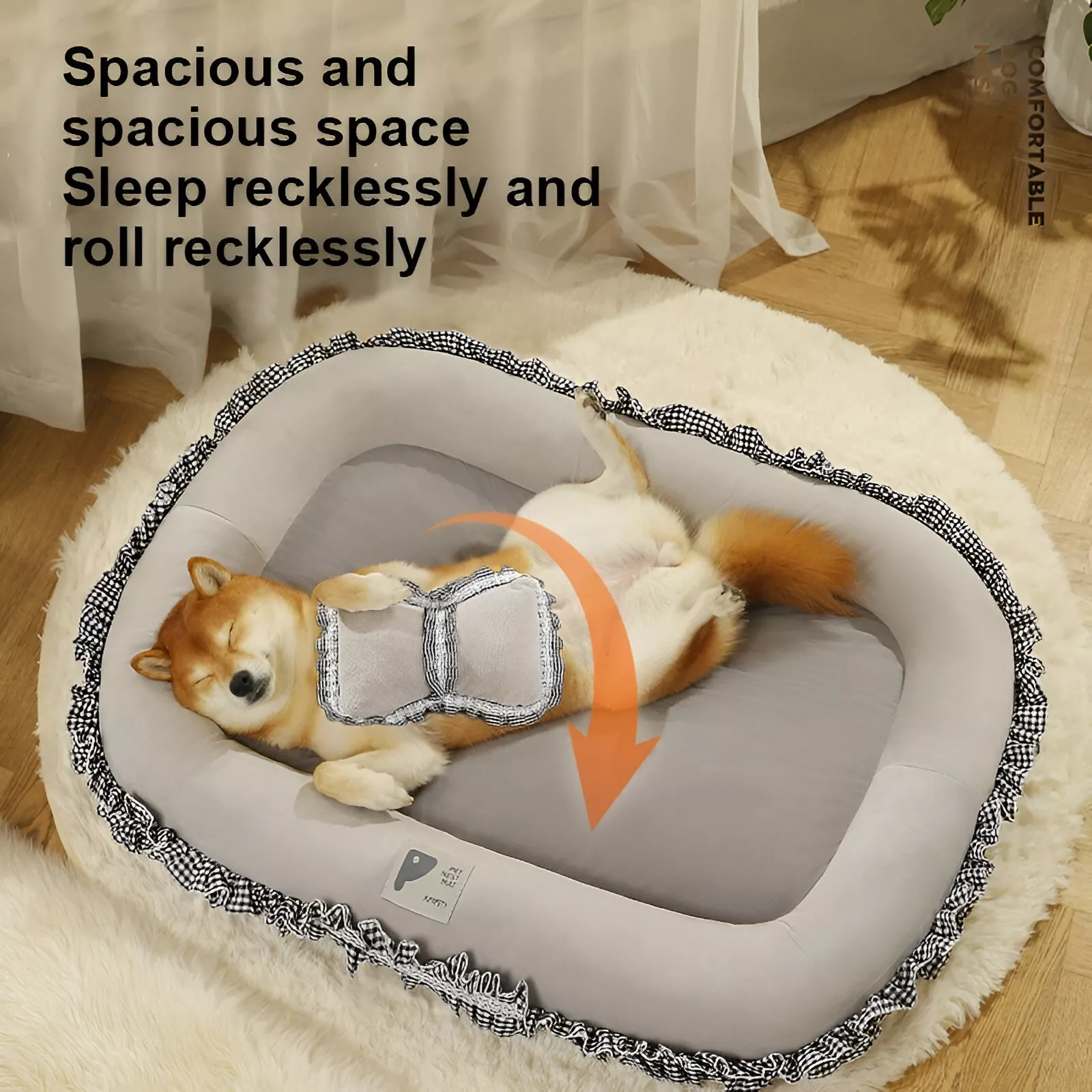 Cozy Warm Dog & Cat Bed Soft breathable cushioning for curled winter sleep. US $24.51 |
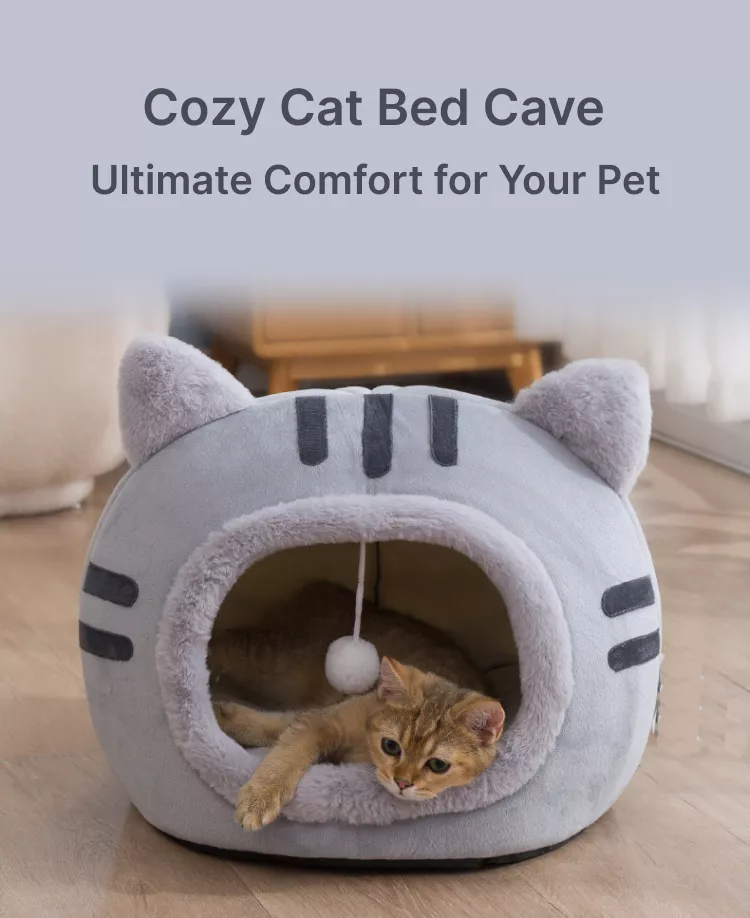 Cozy Cat Bed Cave A private cave-style retreat for natural burrowers. US $38.51 |
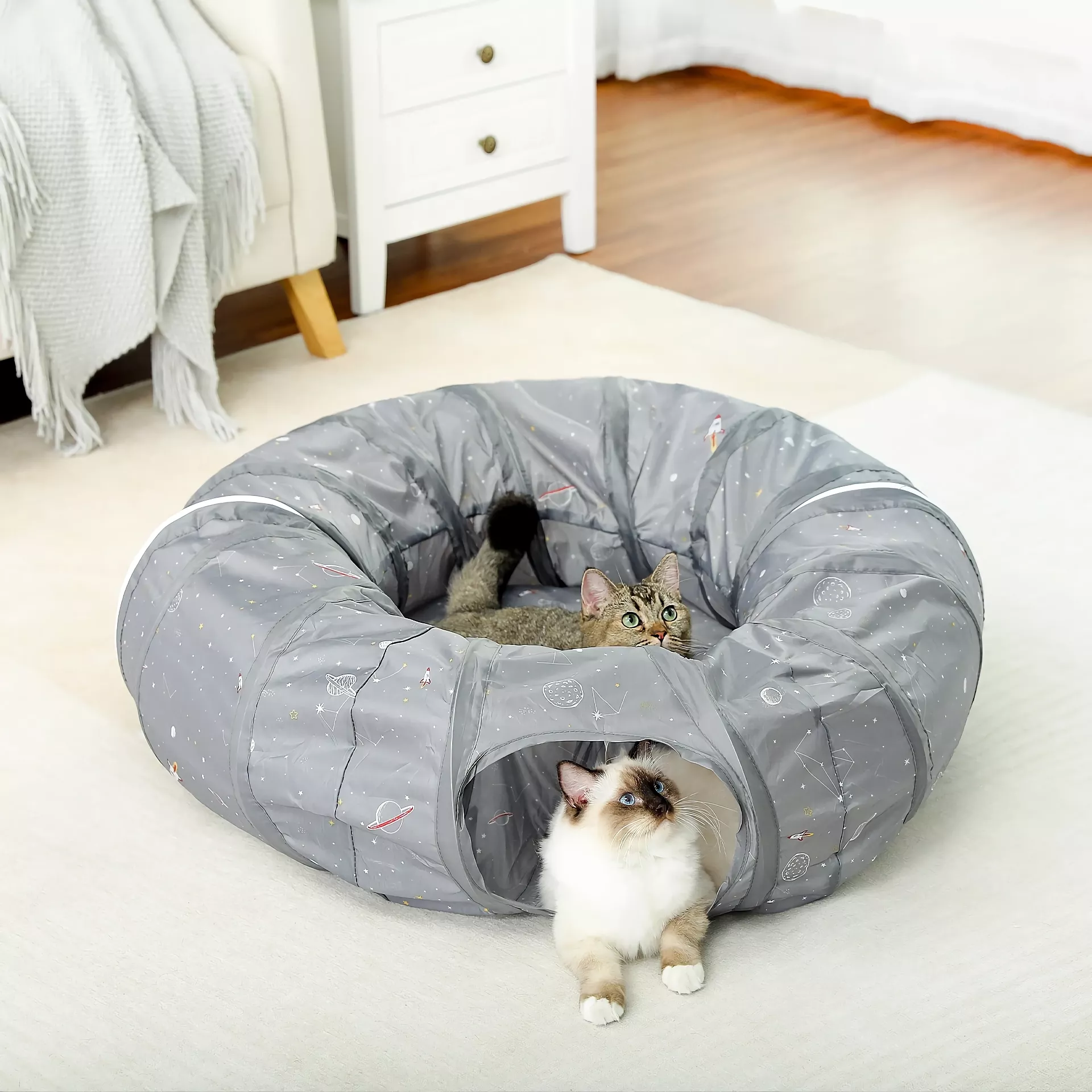 Collapsible Cat Tunnel with Mat An enclosed play-and-rest option for tunnel-loving cats. US $43.82 |
