

Best Cat Beds for Cats in Home Offices in Winter: Warmth Beside Your Desk
A home office often becomes a cat’s favorite winter room because it combines warmth, quiet, and proximity to a working owner. The challenge is creating a sleeping spot that does not sit beneath a rolling chair, tangle with charging cables, block a heater, or rest directly on a cold floor near a window.
The best cat beds for home offices have a compact footprint, thick insulating base, non-slip underside, washable cover, and raised edges that hold warmth. Donut beds, broad-opening caves, and low-entry bolsters can create a predictable desk-side nap zone without disrupting the workspace.
This guide covers chair safety, cable management, cold floors, window drafts, heaters, video calls, multi-cat offices, senior access, cleaning, and no-electric warmth. For a plush desk-side option, explore the Winter Warm Pet Bed.

Quick answer: Where should a cat bed go in a home office?
Place it beside an interior wall or at the non-chair side of the desk, outside the rolling-chair radius, walkway, heater clearance, and cable zone. Add an insulating non-slip layer underneath and preserve a clear exit.
If the cat wants a window view, place the bed beside the window rather than against cold glass. Check for drafts at bed height.
Why cats sleep near a working owner
Cats may seek warmth from the occupied room, familiar voice and scent, predictable routine, and a quiet place to rest. A dedicated bed can reduce keyboard visits and unsafe naps beneath the chair.
Place the bed near enough for companionship but far enough to avoid sudden movement, dropped objects, and rolling wheels.
Rolling-chair safety
Mark the chair’s full movement area before placing the bed. Wheels can catch paws, tails, blankets, or bed edges. Do not rely on remembering that the cat is nearby.
A bed beside the desk, against a wall, or beneath a fixed open side table can work. Never place it directly behind the chair or beneath a sit-stand desk mechanism.
Cords and charging cables
Bundle and secure cords using pet-safe cable management. Keep power strips off the sleeping surface and prevent the bed from covering ventilation openings on electronics.
Replace damaged cables and contact a veterinarian after suspected electrical injury. A self-warming bed avoids adding another cord to a crowded office.
Best bed styles for offices
Compact donut beds
A donut bed creates a warm boundary in a small footprint. It fits beside a desk or cabinet and gives the cat a predictable place to curl.
Broad-opening cave beds
A cave bed reduces visual stimulation and can help during calls. Choose a broad stable entrance and place it where the cat can leave without entering the chair path.

Low-entry bolster beds
A bolster bed suits cats that stretch and curl. A low front helps kittens and seniors enter while the raised back can face a cold wall or window.
Flat desk-side mats
A mat fits tight spaces but needs extra insulation on cold floors. It may work as a secondary daytime bed rather than the only winter option.
Cold floors beneath desks
Hardwood, tile, laminate, and concrete can pull heat away from a compressed bed. Use a stable non-slip rug pad or dense base. If your hand can feel the floor through the center, the bed is too thin.
Keep rug edges flat so chair wheels and feet do not catch them. See our cold-floor cat bed guide.
Window drafts in home offices
Desks often sit near windows for natural light. Cold glass and leaking frames can cool the exact area where the cat sleeps. Leave space from the pane and check for moving air at floor level.
Our cold-window guide covers placement in more detail.
Space heaters and radiator safety
Keep all bedding outside the manufacturer’s heater clearance. Do not let blankets, raised bed walls, or toys touch the appliance or block airflow.
Portable heaters and office cords create extra risk. Passive warmth from an insulated bed is simpler for many healthy indoor cats. Read our radiator and heat-vent safety guide.
Computer heat is not a bed warmer
Do not allow the cat to sleep on computer towers, laptops, printers, or ventilation openings. Electronics can overheat, shift, or expose the cat to cords and moving components.
Offer a warmer, softer bed beside the workstation so the cat has a better alternative.
Calls, noise, and routine
Some cats sleep through meetings; others become restless when voices and alerts change. Put the bed in a quiet side area rather than between the desk and door.
A predictable work schedule can help the cat settle. Brief play before work and a consistent bed location may reduce attention-seeking.
Senior cats in home offices
Senior cats need low entry, even support, and a level route. Keep the bed outside the chair path and avoid making the cat jump onto a filing cabinet or narrow shelf.

Older cats may seek extra warmth for stiff joints. See our senior-cat winter guide.
Kittens and office equipment
Kittens may chew cords, climb chairs, and hide behind equipment. Block unsafe gaps, secure cables, and supervise closely. Keep their main bed in a warm accessible area with a clear exit.
Multi-cat offices
Provide more than one sleeping option so cats do not compete for the spot nearest the owner. Separate beds across the room and preserve independent exits.
Cleaning a desk-side bed
Office beds collect dust, paper fibers, fur, and snack crumbs. Vacuum regularly, wash removable covers according to the label, and dry every layer completely.
Keep liquids away from cords and bedding. Our winter cleaning routine can help.
Quick buying checklist
- Compact footprint
- Thick insulated base
- Non-slip underside
- Raised edge or broad-opening cave
- Low entry when needed
- Removable washable cover
- No placement under rolling chairs
- Clear of cords and heaters
- Stable predictable location
- Clear exit and walkway
Frequently Asked Questions
Can I put a cat bed under my desk?
Only if it remains outside the chair, foot, and cable zones. The side of the desk is often safer than the center.
How do I keep my cat off the keyboard?
Offer a warm bed beside the desk, reward its use, and keep the location consistent. Do not punish the cat for seeking proximity.
Are cave beds good for home offices?
Yes. A broad-opening cave can reduce visual stimulation and create a quiet rest area during calls.
How do I protect cords from my cat?
Use secure pet-safe cable management, remove damaged cords, and block access to power strips and equipment gaps.
Are self-warming beds useful in an office?
They offer passive cord-free warmth and avoid adding another electrical cable to the workspace.
Where should a senior cat sleep while I work?
Use a low-entry supportive bed beside an interior wall, outside the rolling-chair radius and near a clear walkway.
Keep the cat close without creating a hazard
The best home-office cat bed is warm, compact, stable, and positioned beyond chairs, cords, heaters, and cold glass. A defined desk-side sleeping zone gives the cat companionship while preserving a safe workspace.
Related Articles
- Best Cat Beds for Tiny Homes and Studios
- Best Cat Beds for Cold Floors
- Best Cat Beds Near Cold Windows
- Best Self-Warming Cat Beds for Winter
- Best Cat Beds Near Radiators and Heat Vents
More From the Winter Warm Pet Bed Collection
 |
Shop the Winter Warm Pet Bed collection
Picks From Our Friends at RuleNo
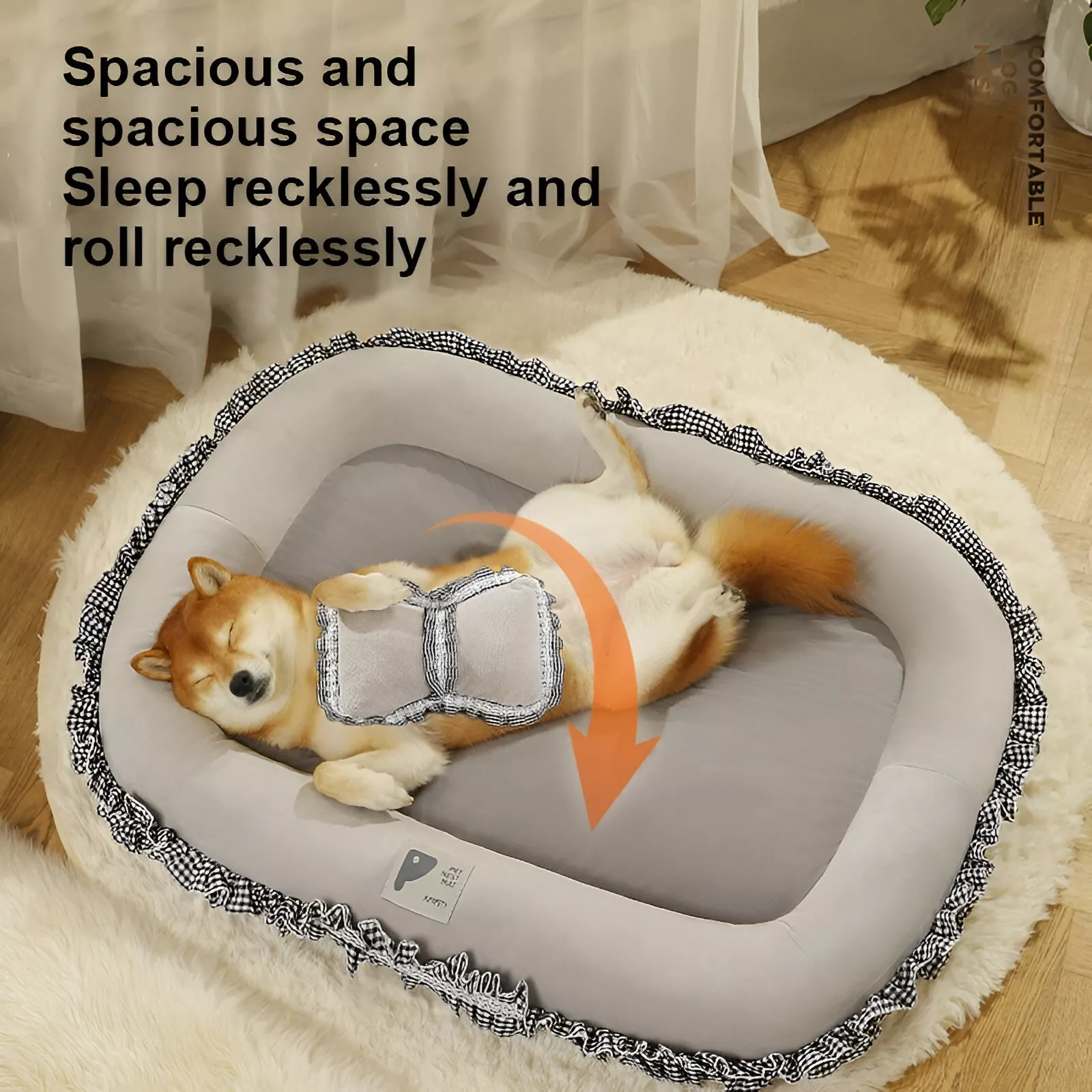 Cozy Warm Dog & Cat Bed Soft compact comfort beside a desk. US $24.51 |
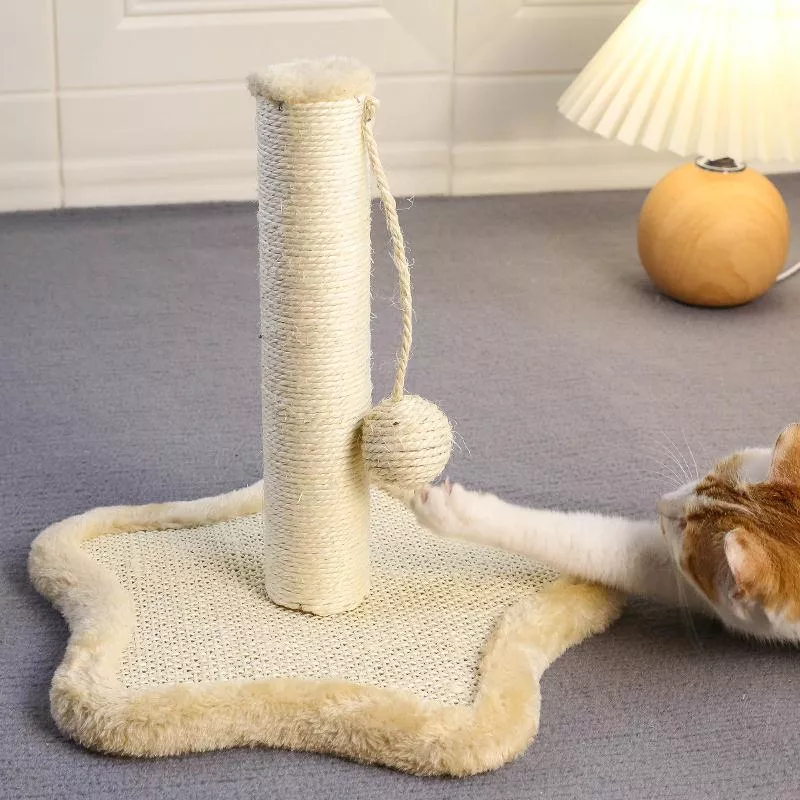 Compact Cat Scratching Post A small activity break for office cats. US $25.67 |
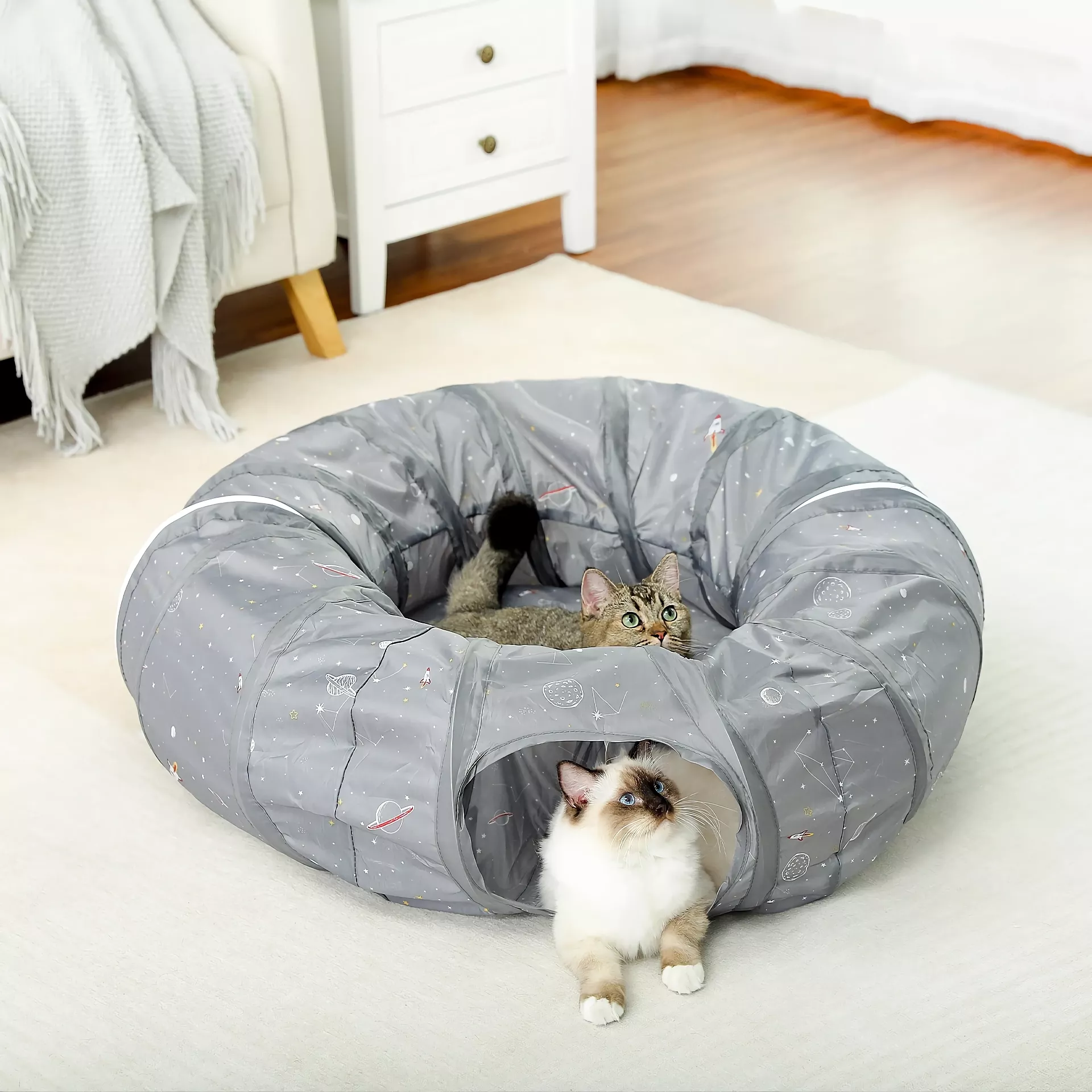 Collapsible Cat Tunnel with Mat Foldable enrichment for a flexible workspace. US $43.82 |
