

Best Cat Beds Near Radiators and Heat Vents in Winter: Safe Warmth Without Hot Spots
Cats naturally seek warm places in winter, and radiators, baseboard heaters, and floor vents can become irresistible. The problem is that direct contact with a hot surface, blocked airflow, dry heated air, and unstable bed placement can turn a cozy nap into a safety risk. A better setup gives the cat steady warmth without placing the bed on, against, or directly over a heater.
The best cat beds near radiators and heat vents have a thick insulating base, breathable washable fabric, stable non-slip footing, and a shape that holds body heat without depending on the appliance. Donut, bolster, and self-warming beds work especially well when positioned at a safe distance with an open escape route.
This guide explains safe placement around common home heating systems, signs a cat may be too hot, no-electric alternatives, dry-air care, senior and kitten needs, cleaning, and how to keep vents unobstructed. For a plush passive-warmth option, explore the Winter Warm Pet Bed.

Quick answer: How close can a cat bed be to a radiator?
There is no universal distance because radiator temperature, heater design, airflow, and manufacturer clearances vary. Follow the heating appliance instructions first. The cat bed must not touch the unit, block airflow, cover controls, trap heat, or sit where fabric can fall onto the heater.
A practical setup places the bed outside the required clearance zone, then checks the sleeping surface after the system has been running. The bed should feel comfortably warm, never hot. The cat must be able to leave freely.
Why cats seek radiators and heat vents
Cats conserve energy by choosing warm resting spots. In winter, the area near a radiator may offer warmer air, protection from a cold floor, and a predictable daily routine. Senior cats, kittens, thin cats, hairless cats, and cats with arthritis may seek these areas more intensely.
Heat-seeking is often normal, but a sudden inability to get comfortable, persistent shivering, weakness, appetite changes, or extreme lethargy deserves veterinary guidance. A bed can improve comfort but cannot treat illness.
Risks of placing a bed too close to a heater
Burns and overheating
Metal surfaces, steam radiators, electric heaters, and some baseboard systems can become hot enough to injure skin or overheat bedding. Cats may remain asleep longer than expected, especially seniors with reduced mobility or sensation.
Blocked airflow
A bed placed directly over a supply register can restrict heating performance and create an uneven hot spot. Loose blankets may shift into the vent. Return-air grilles also need to remain clear so the system can circulate properly.
Fire and fabric hazards
Never let plush fabric, curtains, blankets, or foam touch an electric heater or other hot appliance. Keep the manufacturer’s clearance zone completely open.
Dry air and skin comfort
Forced-air heating can dry skin and nasal passages. Cats with sensitive skin or respiratory problems may need closer monitoring. Keep fresh water available and discuss persistent dryness, coughing, or irritation with a veterinarian.
Best bed types for heated rooms
Self-warming donut beds
A self-warming donut bed uses insulation and body heat rather than direct appliance heat. Raised edges reduce drafts and create a protected center. This makes it useful a safe distance from a radiator, where the room is warm but the cat is not exposed to the hot surface.
Bolster beds
Bolster beds provide a flatter center with raised support on several sides. Face the open side toward the room and keep the tallest edge from touching the radiator. This layout works for cats that alternate between curling and stretching.
Low-entry orthopedic beds
Senior and arthritic cats may need a low entrance and even support. A thick orthopedic base also reduces contact with cold floors, which can lessen the cat’s urge to sleep directly against the heater.
Breathable cave beds
A broad-opening cave bed can hold warmth in a drafty room, but it should not sit in the radiator’s strongest heat path. The enclosure already retains warm air, so extra appliance heat can build quickly.
Radiators: safe placement basics
Keep the bed outside the clearance specified for the radiator or heater. Do not wedge it between the radiator and wall, place it beneath exposed valves, or let blankets hang over the unit. Steam and hot-water systems can leak, and electric models require strict fabric clearance.
A stable spot beside the radiator zone is better than direct contact. Check the floor, nearby wall, and bed underside after the system has run for an extended period. If any part feels hot rather than gently warm, move the bed farther away.
Floor vents and forced-air registers
Do not place the bed directly on a supply register. The bed can block airflow and the moving hot air may dry the cat’s skin or make the sleeping surface too warm. Position the bed beside the airflow path so the room heat reaches it indirectly.

Secure rugs and bedding so they cannot slide across the vent. Vacuum registers regularly because warm airflow can carry dust and fur into the sleeping area.
Baseboard heaters
Baseboard systems depend on clear airflow around the unit. Keep beds, blankets, toys, and furniture outside the manufacturer’s required clearance. Never tuck a pet bed under the heater casing or lean its raised wall against the unit.
If the cat repeatedly returns to the baseboard, create a more appealing warm bed nearby with a thick base, raised edges, and familiar scent.
Portable heaters
Portable heaters require extra caution. They can tip, create intense hot spots, and draw loose fabric toward an intake. Keep pets and beds well outside the stated clearance and never leave the heater operating unattended unless the manufacturer explicitly supports that use.
Do not use the pet bed as a barrier around a portable heater. A secured guard and permanent heating solution are safer than improvisation.
How to tell if the bed is too warm
- The cat repeatedly enters and leaves
- The cat stretches away from the warm side
- The sleeping surface feels hot to your hand
- The cat seeks tile or another cool surface
- Rapid breathing, drooling, weakness, or unusual lethargy
Move the cat to a cooler area and contact a veterinarian if overheating is suspected. Heat-related breathing changes are urgent, especially in kittens, seniors, and cats with medical conditions.
Dry air, hydration, and sensitive skin
Heated indoor air can reduce humidity. Provide clean water in more than one location and wash bowls regularly. If using a humidifier, follow cleaning instructions carefully and place it where mist cannot dampen the bed or electrical equipment.
Hairless cats and cats with sensitive skin may need smooth washable fabric and more frequent cover care. For related guidance, see our sensitive-skin winter bed guide.
How to insulate the bed from a cold floor
A cat may crowd the radiator because the surrounding tile or hardwood feels cold. Use a stable non-slip insulating layer beneath the bed. A fitted rug pad or dense bed base can reduce heat loss without relying on direct appliance heat.
If your hand can feel the floor through the compressed cushion, the base is too thin. Our cold-floor cat bed guide explains insulation and placement in more detail.
Senior cats near heaters
Senior cats may have stiff joints and slower movement. Choose a low-entry supportive bed and keep the route clear. Do not require an older cat to jump onto a radiator shelf or narrow platform.

Check the senior cat frequently because reduced sensation or mobility may make it harder to leave an overly warm spot. Our senior-cat winter guide covers low-entry warmth and joint support.
Kittens and heating systems
Kittens are small, curious, and less able to regulate risk. Block access to hot surfaces, valves, cords, and narrow gaps. Use a warm indoor room with a low-entry bed rather than placing the kitten close to a heating appliance.
Weakness, poor feeding, persistent crying, or inability to stay warm requires veterinary help rather than more direct heat.
Multi-cat households
Provide several warm beds so cats do not compete for the single spot near a radiator. Put beds in separate areas with clear exits. A dominant cat should not be able to block another cat between the bed and heater.
Different cats prefer different temperatures. One may choose the warm zone while another prefers an interior-wall bed farther away.
Cleaning beds in heated areas
Warm airflow can move dust, dander, and fur into the bed. Vacuum the sleeping surface and nearby register regularly. Wash removable covers according to the label and dry every layer completely.
Inspect the underside for heat damage, discoloration, brittleness, or compressed foam. Replace any bed that smells scorched, loses support, or cannot be cleaned properly. See our winter cleaning routine for a practical schedule.
Quick safety checklist
- Follow heater manufacturer clearances
- Keep the bed off the radiator and vent
- Leave supply and return airflow open
- Prevent blankets from touching the unit
- Use a stable non-slip base
- Provide a cooler sleeping option
- Protect cords and valves
- Check the bed after the heater runs
- Monitor kittens, seniors, and ill cats closely
- Keep every layer dry
Frequently Asked Questions
Can I put a cat bed beside a radiator?
Usually, if it remains outside the manufacturer’s clearance zone, does not touch the unit, and never becomes hot. Check the bed and surrounding surfaces while the system is running.
Can a cat sleep on a floor vent?
Do not place a bed directly over a supply or return vent. It blocks airflow and can create an uncomfortable hot spot. Put the bed beside the vent instead.
Are radiator hammocks safe?
Safety depends on the radiator type, attachment system, weight rating, temperature, and manufacturer instructions. Never improvise a shelf or hammock over an incompatible heater.
Why does my cat sleep next to the heater?
The area offers predictable warmth and may reduce discomfort from cold floors or stiff joints. Provide a thick insulated bed nearby so direct contact is unnecessary.
Is a self-warming bed better than radiator heat?
A self-warming bed offers gentler passive warmth without depending on a hot surface. It does not heat a cold room, but it is often a practical indoor alternative.
How do I know if my cat is overheating?
Restlessness, seeking cool floors, rapid breathing, drooling, weakness, or unusual lethargy can be warning signs. Move the cat away from heat and contact a veterinarian.
Safe warmth beats the hottest spot
The best winter bed near a radiator or heat vent gives the cat comfort without direct contact, blocked airflow, or trapped heat. Use a thick donut, bolster, cave, or orthopedic bed outside the appliance clearance zone and provide a cooler alternative.
Related Articles
- Heated vs. Self-Warming Cat Beds
- Best Self-Warming Cat Beds for Winter
- Best Cat Beds for Cold Floors
- Best Cat Beds Near Cold Windows
- Best Washable Cat Beds for Winter
More From the Winter Warm Pet Bed Collection
 |
Shop the Winter Warm Pet Bed collection
Picks From Our Friends at RuleNo
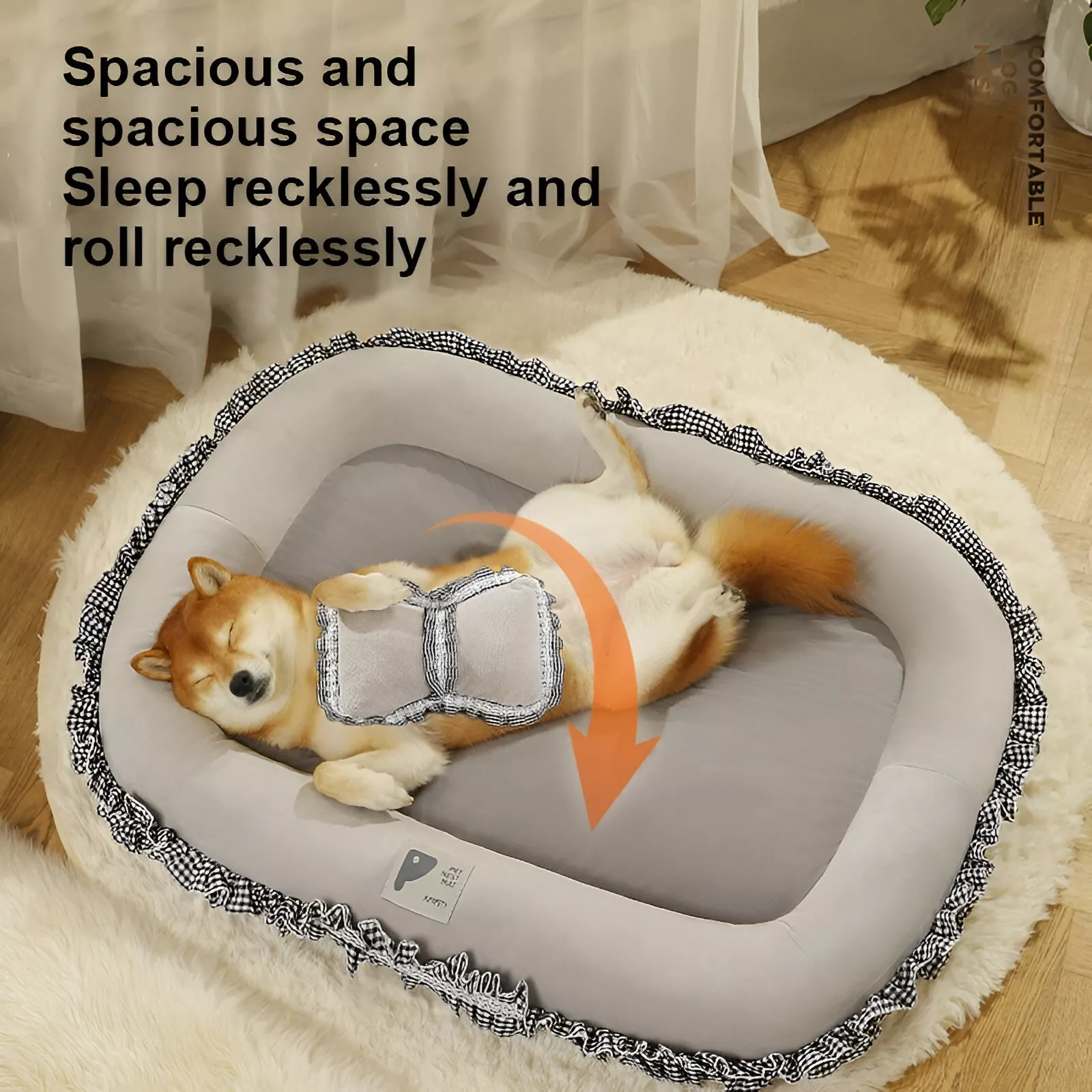 Cozy Warm Dog & Cat Bed Passive cushioned warmth away from hot appliances. US $24.51 |
 Cozy Cat Bed Cave An enclosed alternative to sleeping beside a heater. US $38.51 |
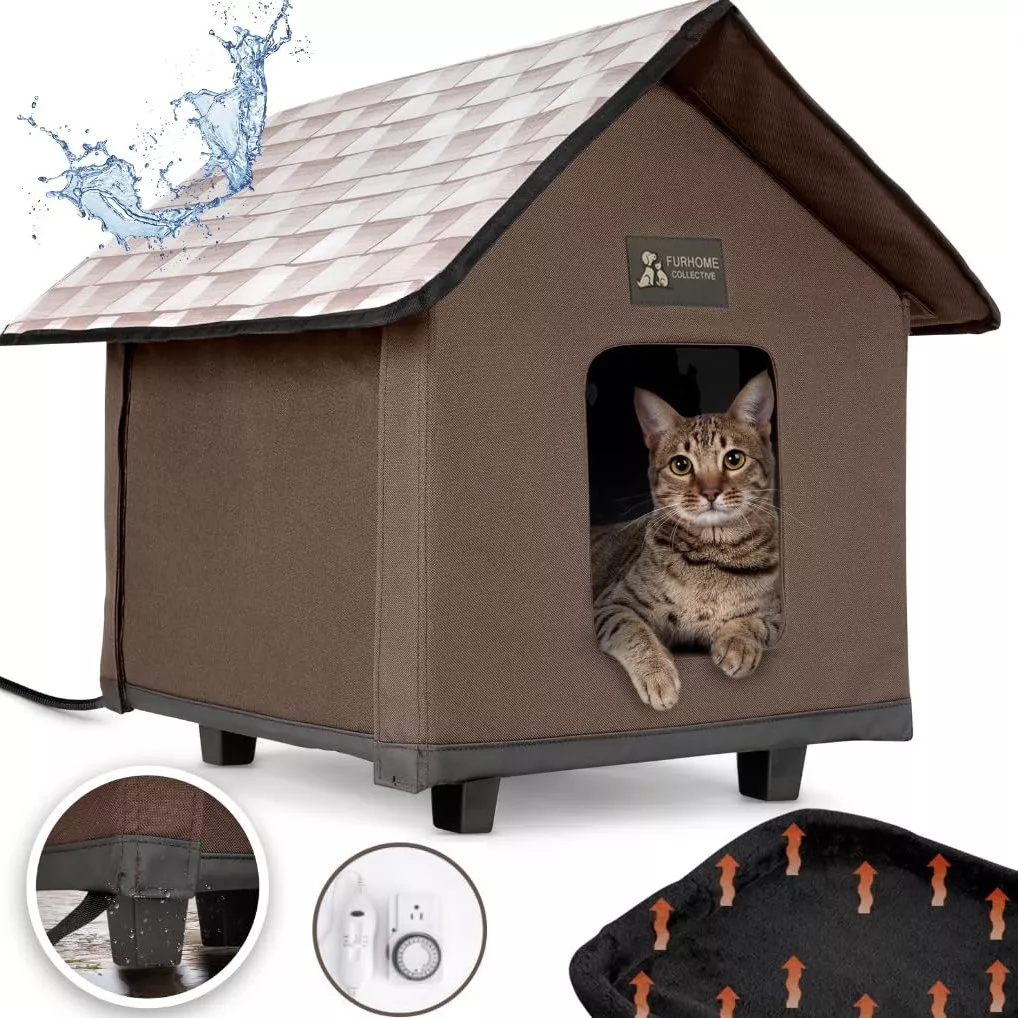 Heated Outdoor Cat House A purpose-built shelter option for managed outdoor use. US $82.97 |
