

Best Cat Beds for Cats in RVs and Campers in Winter: Safe, Space-Saving Warmth
Winter travel in an RV or camper can give a cat familiar companionship and a front-row view of changing scenery, but small mobile interiors create special sleeping challenges. Floors cool quickly, windows collect condensation, doors open directly to outdoor air, and a loose bed can slide when the vehicle moves. The right setup must be warm while parked and secure when traveling.
The best cat beds for RVs and campers combine an insulated base, compact footprint, raised sides, washable fabric, and non-slip stability. Self-warming donut beds, broad-opening cave beds, and low-entry bolsters work well when they are placed away from cold glass, exterior doors, propane appliances, and active walkways.
This guide covers winter RV temperature swings, condensation, cold floors, travel restraint, limited space, overnight safety, kittens, seniors, cleaning, and no-electric warmth. For a plush compact option, explore the Winter Warm Pet Bed.

Quick answer: What is the best winter cat bed for an RV?
For most healthy cats, the best RV bed is a compact self-warming donut, bolster, or breathable cave bed with a thick insulated base and non-slip underside. It should fit the cat’s natural sleeping posture without blocking the aisle, heater clearance, storage access, or emergency exit.
During vehicle movement, the cat should travel in an appropriate secured carrier or restraint setup rather than loose in the bed. The bed becomes the resting place after the RV is safely parked.
Why RVs feel colder than houses
RVs have thinner walls, more exposed floor area, and many windows. Cold can enter through glass, storage bays, wheel wells, slide-outs, and door seals. Heat may also cycle unevenly, creating a warm ceiling and cool floor.
A thermostat reading near the wall does not always represent the temperature at bed level. Check the exact sleeping area early in the morning and after the heating system has cycled off.
Cold floors and under-bed insulation
Vinyl, laminate, and thin carpet over an RV subfloor can become cold quickly. Put a stable non-slip insulating layer beneath the bed. A fitted rug pad or dense cushion can reduce heat loss while keeping the bed from sliding.
Do not stack loose layers that bunch in the aisle. If your hand can feel the cold floor through the compressed bed, use a thicker base. Our cold-floor cat bed guide explains insulation in more detail.
Condensation in campers
Cooking, breathing, wet clothing, and limited ventilation can create condensation on windows and walls. Moisture may drip onto ledges or collect behind furniture. Damp bedding loses insulating value and can develop odor or mold.
Keep the bed away from wet glass, inspect the underside daily, and manage humidity according to the RV manufacturer’s guidance. Ventilation should never expose the cat to a direct freezing draft.
Best bed styles for winter RV travel
Self-warming donut beds
A donut bed suits cats that curl tightly and prefer raised boundaries. The compact round footprint fits many dinette corners, bench areas, and bedroom nooks. Choose resilient fill that does not flatten onto the cold floor.
Broad-opening cave beds
A cave bed creates a warmer pocket of air and blocks drafts from doors and windows. Choose a wide stable opening and place it toward the interior. The roof should hold its shape and the cat must be able to exit easily.

Low-entry bolster beds
Bolster beds suit cats that stretch as well as curl. A low front helps kittens and seniors enter easily. Face the tallest side toward the cold wall or window while preserving ventilation.
Flat travel mats
A washable mat stores easily and can fit inside a carrier, but it needs insulation underneath in winter. It may work best as a secondary bed rather than the only overnight option.
Where to place the bed
Choose a dry corner with a clear approach, stable floor, and protection from exterior doors. Keep the bed away from cooking areas, propane equipment, heating vents, control panels, slide mechanisms, and emergency exits.
A dinette bench may work while parked if it is wide and stable, but do not leave the bed where it can fall during movement. Never place it on a dashboard in direct sun or against cold windshield glass.
Travel safety while the RV is moving
A loose cat can distract the driver, escape when a door opens, or be injured in a sudden stop. Use a secure carrier or veterinarian-recommended travel restraint. Fasten the carrier according to its instructions and keep it away from airbags and loose cargo.
The sleeping bed can be placed inside a sufficiently large compatible carrier only if it does not reduce ventilation or interfere with secure closure. Otherwise, store the bed and set it out after parking.
Heating systems and clearances
Follow the RV manufacturer’s rules for propane furnaces, electric heaters, hydronic systems, and vents. Never put the bed over a floor register, against a heater, or where blankets can block an intake.
Carbon monoxide and propane detectors must be installed, tested, and maintained. A warm bed cannot compensate for unsafe combustion, ventilation, or detector problems.
Self-warming versus heated beds
A self-warming bed preserves some of the cat’s body heat without a cord. This is useful in compact spaces where power outlets and wiring are limited. It does not heat a cold RV, so the interior still needs a safe temperature.
A powered pet bed requires dry placement, protected wiring, suitable electrical capacity, and a clear unheated area. Never run a cord through a doorway or slide mechanism. Human heating pads and improvised heaters are not safe substitutes.
Space-saving setup ideas
- Use a compact donut bed beneath a secured dinette table while parked.
- Place a low-entry bed beside the main sleeping area, outside the walkway.
- Use a broad-opening cave in a dry corner away from exterior walls.
- Store a flat washable mat for daytime use and a deeper bed overnight.
- Choose a bed that fits inside a dedicated storage bin when driving.
Senior cats in RVs
Senior cats need low entry, non-slip footing, and a level route to food, water, and litter. Avoid high benches and narrow shelves. Keep the bed close enough for monitoring but away from nighttime foot traffic.

Older cats may react slowly to temperature changes. Keep an interior thermometer near bed height and provide a cooler alternative. See our senior-cat winter guide.
Kittens in campers
Kittens can squeeze behind appliances, beneath cabinets, and into slide mechanisms. Block unsafe gaps, supervise closely, and use a secure low-entry bed in a warm interior area. Weakness, poor feeding, or persistent crying requires veterinary advice.
Litter, food, and water placement
Small interiors make separation difficult. Keep the bed away from litter dust, spilled water, and cooking surfaces. Use stable bowls and clean spills immediately so dampness does not reach the bedding.
Secure all supplies before driving. A loose bowl or litter box can become a projectile during a sudden stop.
Overnight temperature monitoring
Check the forecast, campground power reliability, fuel supply, and heating system before bedtime. Keep a thermometer near the cat’s sleeping level. Do not leave a cat alone in an RV when temperatures may become unsafe or systems may fail.
Have a backup plan for moving into a heated building or vehicle. Cold-weather travel requires redundancy, not just a thicker blanket.
Cleaning on the road
Choose a removable washable cover and carry a spare. Vacuum fur and litter regularly, inspect beneath the bed for condensation, and dry every layer completely before rebuilding it.
Do not store a damp bed in a sealed compartment. Replace compressed fill, damaged non-slip backing, or fabric that retains musty odor. Our winter cleaning routine provides a practical schedule.
Quick buying checklist
- Compact footprint
- Thick insulated base
- Non-slip underside
- Raised edges or broad-opening enclosure
- Low entry for seniors and kittens
- Removable washable cover
- Breathable no-electric warmth
- Easy storage while driving
- No obstruction of vents or exits
- Dry placement away from cold glass
Frequently Asked Questions
Can a cat sleep in an RV during winter?
Only when the RV remains safely heated, ventilated, dry, and monitored. The cat should never be left where heating or power failure could create dangerous temperatures.
What bed is best for a camper floor?
Choose a thick non-slip bed with an insulating layer beneath it. Donut, bolster, and orthopedic designs can work when they stay dry and stable.
Should the cat ride in its bed?
The safest approach is a secured carrier or appropriate restraint. A loose bed does not protect a cat during a sudden stop.
Are self-warming beds useful in RVs?
Yes, they offer passive cord-free insulation. They do not heat the RV and should be combined with a safe interior temperature.
How do I stop the bed from sliding?
Use a non-slip base or fitted rug pad while parked, and store or secure the bed before driving. Never rely on friction alone during travel.
Can I put a bed beside the RV heater?
Keep all bedding outside the manufacturer’s required clearance and never block a vent, intake, or control panel.
Warm travel starts with a stable sleeping zone
The best winter RV cat bed is compact, insulated, dry, washable, and stable. Combine it with safe heating, condensation control, secure travel restraint, and a backup plan for severe weather.
Related Articles
- Best Travel Dog Beds for Winter
- Best Self-Warming Cat Beds for Winter
- Best Cat Beds for Cold Floors
- Best Cat Beds for Sunrooms and Enclosed Porches
- Best Washable Cat Beds for Winter
More From the Winter Warm Pet Bed Collection
 |
Shop the Winter Warm Pet Bed collection
Picks From Our Friends at RuleNo
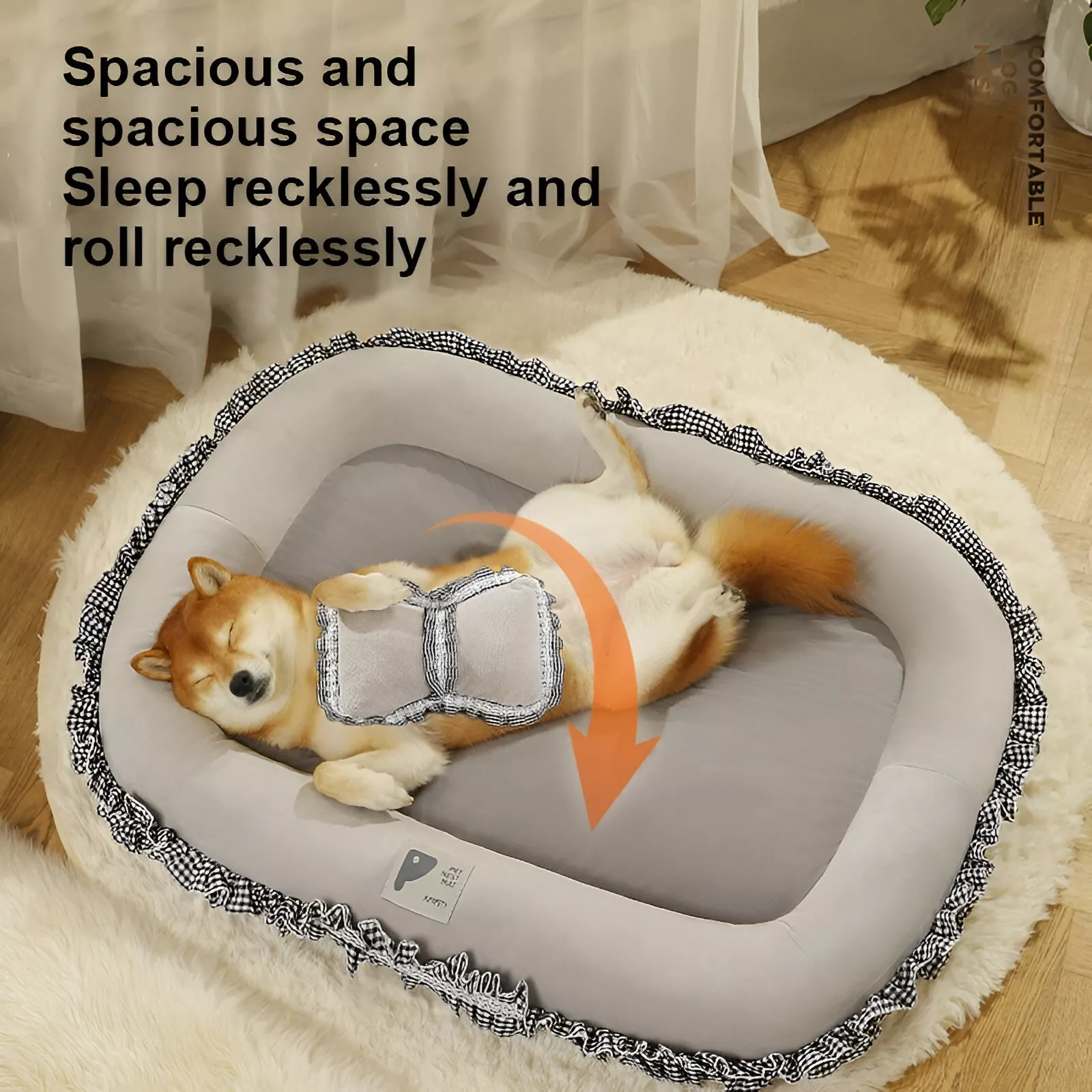 Cozy Warm Dog & Cat Bed Compact passive warmth for parked-camper naps. US $24.51 |
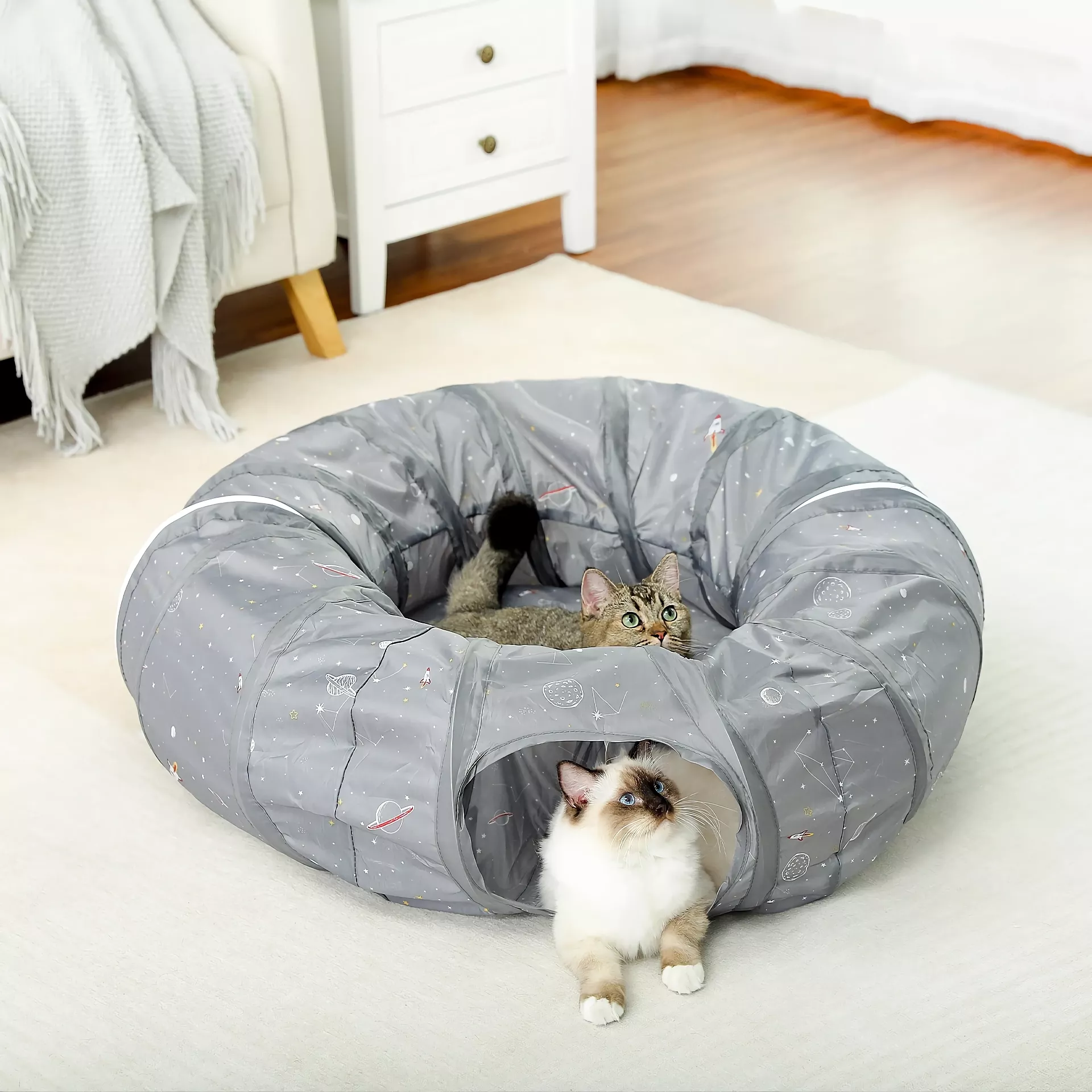 Collapsible Cat Tunnel with Mat A foldable play-and-rest option for compact interiors. US $43.82 |
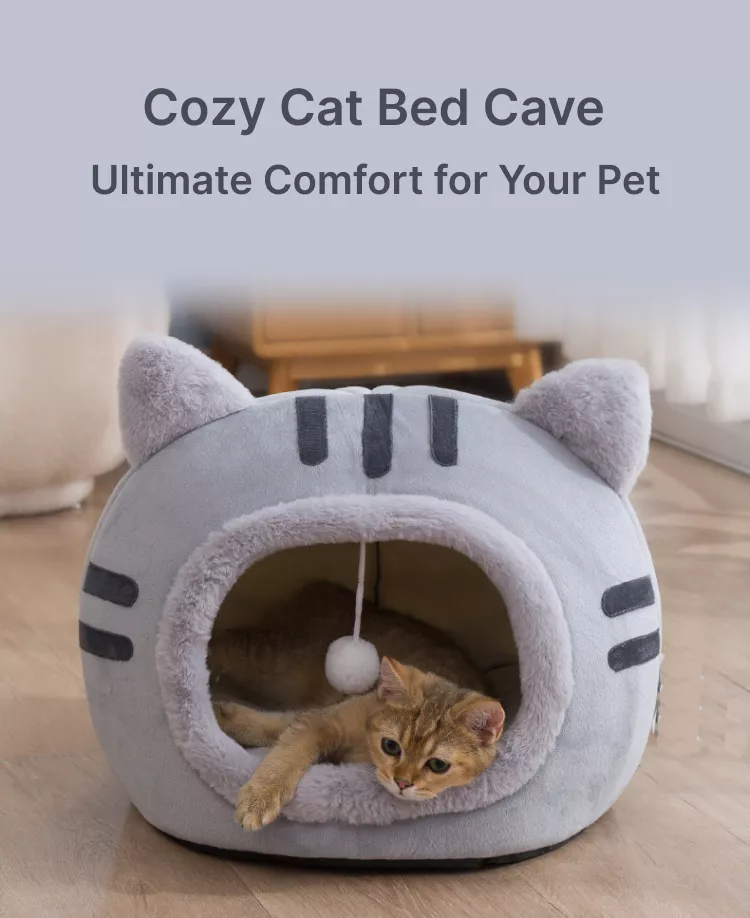 Cozy Cat Bed Cave Draft-blocking comfort for winter campsites. US $38.51 |
