

Best Cat Beds for Cats in Walk-In Closets in Winter: Warm Nooks With Fresh Air
A walk-in closet can feel quiet and sheltered in winter, but it is still a storage space. Hanging clothes, falling boxes, moth products, plastic bags, closing doors, limited airflow, shoes, and laundry can make an appealing cat nook unsafe.
The best walk-in closet cat beds have a thick insulated base, non-slip underside, washable cover, and placement in a spacious ventilated nook with a permanently clear exit. Donut beds, broad-opening caves, and low-entry bolsters can work when the room stays warm, dry, uncluttered, and easy to inspect.
This guide covers ventilation, doors, clothing storage, chemicals, laundry, cold floors, seniors, kittens, and no-electric warmth. Every Winter Warm Pet Bed image below is clickable, so you can view the product here.

Quick answer: Can a cat bed go in a walk-in closet?
Yes, if the closet is spacious, ventilated, heated, and never allowed to close with the cat inside. Keep the bed away from hanging clothes, unstable shelves, shoes, laundry, chemicals, and the door swing.
A small sealed closet is unsuitable. Use a bedroom nook instead.
Best bed styles for closet nooks
Donut beds
A donut offers raised sides and a compact footprint. Choose one with enough interior space for the cat to turn and curl.
Broad-opening cave beds
A cave adds privacy but also increases enclosure. It needs a wide visible entrance and plenty of airflow.

Low-entry bolster beds
Bolsters suit cats that stretch and seniors that need easier entry. Use a stable non-slip rug beneath the bed.
Ventilation matters
Closets can become stuffy or humid. Do not block vents, and keep the entrance open. If the room smells musty or feels damp, relocate the bed and address the moisture source.
Prevent accidental entrapment
A sliding or hinged door can close without anyone noticing. Use a safe arrangement that cannot trap the cat, and check the closet before leaving home or going to sleep.
The cat must always have access to water, litter, and a normal room exit.
Hanging clothes and garment bags
Long clothing can cover the bed entrance or fall from crowded rails. Keep the bed outside the hanging zone.
Store plastic garment bags, dry-cleaning bags, belts, scarves, and loose ties securely.
Shelving and boxes
Anchor shelving where appropriate and place heavy items low. Never put the bed beneath stacked boxes, luggage, or storage bins.
Mothballs and fragrance products
Mothballs and some pest or fragrance products can be dangerous to pets. Keep all chemicals inaccessible and follow labels. Contact a veterinarian or pet poison service after suspected exposure.
Shoes and tracked winter residue
Shoes may carry road salt, ice melt, oil, and dirt. Create a shoe zone far from the bed and clean residue promptly.
Laundry hazards
Do not bury the bed beneath laundry or allow the cat to hide in a basket headed for the washer or dryer. Check appliances before every cycle.
Cold floors and exterior walls
Closets against exterior walls may feel colder than bedrooms. Use a stable insulating rug and leave distance from cold walls or windows.
Read our cold-floor guide.
Self-warming versus powered beds
A self-warming bed provides passive cord-free insulation and is usually simpler in a storage area.
Powered beds require protected wiring, airflow, dry placement, and an unheated alternative.
Senior cats
Senior cats need low entry, supportive fill, stable footing, and a level exit. Avoid making an older cat cross clutter to reach the bedroom.

See our senior-cat winter guide.
Kittens
Kittens may climb clothing, enter drawers, chew ties, and hide in bags. Their primary bed belongs in a kitten-proofed open room.
Cleaning the bed and closet
Vacuum lint and dust, wash removable covers according to the label, and dry every layer completely. Pull the bed out regularly to inspect hidden surfaces.
Use our winter cleaning routine.
Walk-in closet safety checklist
- Spacious ventilated room
- Door cannot trap the cat
- Clear floor and exit
- No storage above the bed
- No hanging fabric over the entrance
- Chemicals stored securely
- Shoes and laundry separated
- Insulated non-slip base
- Frequent inspection
- Open-room backup bed
Frequently Asked Questions
Can a cat sleep in a closed closet?
No. The cat needs airflow, water, litter access, and a reliable exit.
Are cave beds too enclosed for closets?
They may be. Use only a broad-opening cave in a large ventilated walk-in closet.
Can the bed sit beneath hanging clothes?
No. Clothing can cover the entrance, fall, or collect fur and moisture around the bed.
Is a self-warming bed suitable?
Yes, in a dry, ventilated, safely heated nook. It does not replace room heating.
How do I prevent the closet door from closing?
Use a safe door-management solution appropriate to the room and verify the cat’s location before closing anything.
How often should I inspect the nook?
Check it frequently and pull the bed out during regular cleaning.
Warm nook, fresh air, easy exit
A walk-in closet bed can work when storage never competes with the cat’s safety. Prioritize ventilation, a permanently clear exit, stable shelving, and clean insulated flooring.
Related Articles
- Best Cat Beds for Bedrooms
- Best Cat Beds for Guest Rooms
- Best Cat Beds Under Stairs
- Best Cat Beds for Cold Floors
- Best Cat Beds for Senior Cats
More From the Winter Warm Pet Bed Collection
 |
Shop the Winter Warm Pet Bed collection
Picks From Our Friends at RuleNo
Three different RuleNo pet-bed picks selected for this article. Prices checked September 20, 2026 and may change.
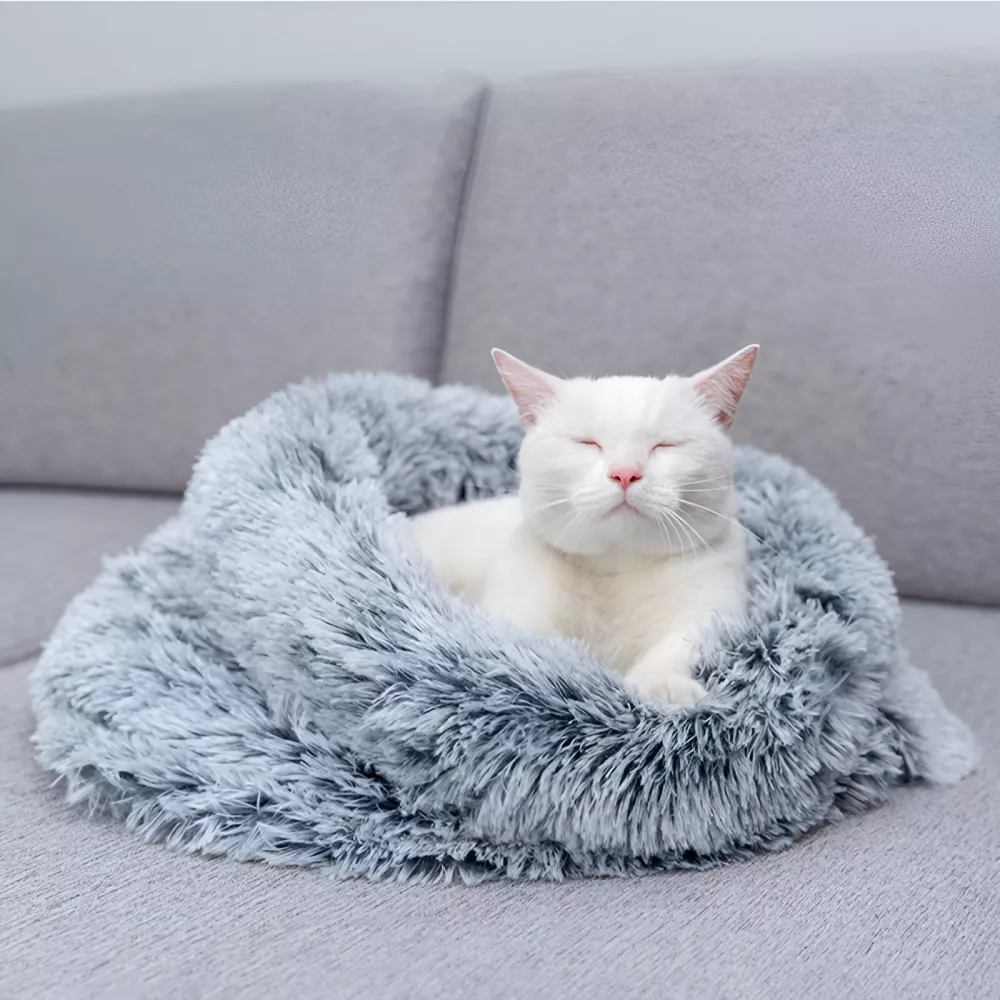 Plush Pet Sleeping Bag A wind-resistant cozy mattress for cats and small dogs. US $24.51 |
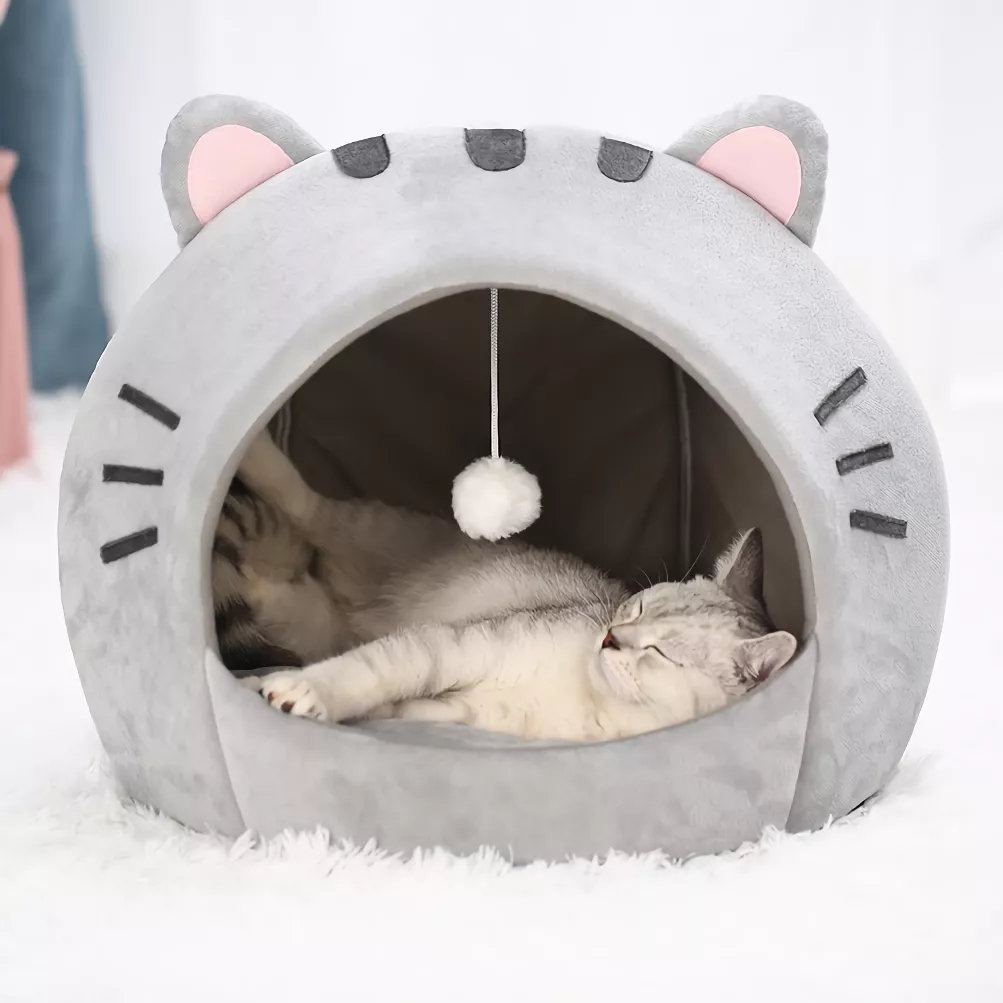 Soft and Warm Cat Bed Cave An enclosed pet house for cats and small dogs. US $16.51 |
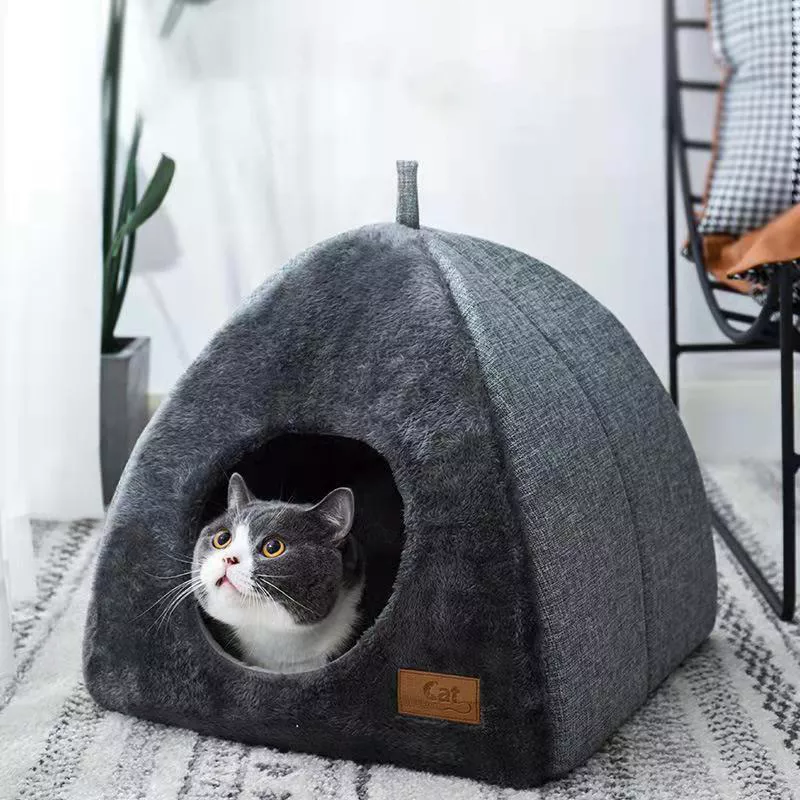 Warm Semi-Enclosed Cat Bed A cozy bed for small and medium pets. US $16.67 |
