

Can Cats Sleep Outside in Winter: The Complete Safety & Warmth Guide
Every winter the same question comes up: can the cat that insists on living half its life outside keep sleeping out there when the temperature drops? The honest answer is that cats can sleep outside in winter — millions of community and barn cats do it every year — but only inside a narrow set of conditions: an insulated shelter off the ground, bedding that holds warmth instead of losing it, wind and moisture kept out, and a body condition and age that can handle it. A healthy adult cat with the right shelter can ride out a cold night; a senior cat, a kitten, or a cat with no shelter at all cannot. In this guide we'll cover exactly when outdoor sleeping is safe, what makes a shelter and bed warm enough, the setups that work best, and when the answer is to bring the sleep indoors.
This guide connects to the rest of our winter cluster: the safety logic in our dog sleep-outside guide, the temperature thresholds in how cold is too cold for cats indoors, and the warning signs in the 10 signs a cat is cold. If your cat sleeps outdoors only occasionally, the bed science in the warm cat beds for winter guide and the cold-floor setup in our cold floors guide cover the indoor side of the same question.
When a Cat Can Sleep Outside in Winter
Cats are better equipped for cold than they look, but the margin is thinner than their fur suggests. A healthy adult cat in good condition with a thick coat can tolerate temperatures near freezing for resting periods if it has a dry, wind-protected shelter, and it will actively seek the warmest microclimate available — a porch corner, a shed, a barn. The danger starts when three things stack: cold, wet, and wind. A cat in a dry shelter at 30 degrees is uncomfortable but safe; a cat in the same temperature with damp fur and a breeze is losing heat faster than it can generate it. Wet fur nearly cancels a coat's insulation, which is why an outdoor sleeping setup is mostly about keeping the cat dry.
The cat itself matters as much as the weather. Kittens, seniors, underweight cats, short-haired breeds, and cats with arthritis all lack either the metabolism, the insulation, or the mobility to handle a cold night, and each is safer indoors from the first frost. Our senior cats guide covers why older cats lose the cold war first, and the warning signs in do cats feel cold apply just as much outdoors: a cat that shivers, hunches, or lifts its paws off the ground is telling you the setup isn't enough.
What Makes an Outdoor Sleeping Spot Warm Enough
A winter-safe outdoor setup comes down to four jobs done at once:
- Insulation. Walls, a floor, and a lid that hold the cat's own heat; rigid foam or thick wood beats a fabric house in the wind.
- A small interior. The air pocket should barely fit the curled cat — that's what lets its body heat warm the space in minutes.
- A raised, dry base. The ground is the coldest surface in the yard; a shelter on a pallet or feet loses far less heat downward.
- A wind-turned entrance. A doorway just bigger than the cat, facing away from prevailing wind, keeps drafts from stripping the warm air out.
Bedding is the fourth job and the easiest to get wrong. Loose straw is the traditional fill because it sheds moisture and lets the cat burrow; a plush, insulated bed works well in covered spots and is easier to keep clean. Avoid folded blankets, which hold damp and draw heat out, and swap any bedding that gets wet — a wet bed is colder than no bed at all.
The Best Winter Setups for Outdoor Cats
Insulated shelters for the all-outdoor cat
For a barn or community cat, the standard is a purpose-built shelter: a wooden or rigid foam box, roughly two feet in each direction, with a small round entrance, an internal divider to cut drafts, and a deep, dry bed inside. The cat warms the small pocket of air itself, the same physics that makes enclosed beds indoors so effective, and the roofline keeps out the snow that would otherwise undo the insulation. Place it off the ground, out of the wind, and in a spot the cat already uses — an occupied shelter is worth more than a perfect one the cat ignores.

Den-grade warmth for outdoor sleepers — shop the Winter Warm Pet Bed
Covered porches and sheds for the in-between cat
Many cats don't sleep outside so much as they refuse to sleep inside all evening — they want the porch until bedtime. For that cat, a covered porch or shed with a proper bed solves the whole negotiation: the roof blocks snow, the walls block wind, and a plush, insulated bed gives the cat the warm nest it's looking for without the cost of a dedicated shelter. The porch bed setup in our garage and kennel guide covers the same logic for dogs, and it translates directly: a raised base or mat under the bed, a wind-facing wall, and bedding that can be dried out daily.

Warmth where the cat already likes to sit — see the details
The indoor alternative for the coldest nights
For most household cats, the best answer to this question is a curfew. Below roughly 20 degrees — and on any night with rain, sleet, or high wind — even a good shelter is the wrong place to sleep, and the warmest, safest bed in the house is the upgrade that matters. A self-warming bed on the cat's favorite sill or corner, the kind we recommend in our heated vs. self-warming comparison, gives the cat the warmth it was hunting outdoors with none of the weather, and most cats that grudgingly sleep inside one cold January simply never ask to go back out.

The warmest room in the house is the safest bed — shop the collection
Placement: Where an Outdoor Sleeping Spot Belongs
An outdoor shelter works where the cat already lives, not where it looks good. Keep it out of the wind, off the frozen ground, and close to the cat's daily route — a shelter the cat has to detour to reach is a shelter it visits once. Face the entrance away from the prevailing winter wind, tilt the doorway down slightly, and leave the interior barely bigger than the curled cat; that's what makes the cat's own body heat do the work. Keep food and water inside the house or on the covered side of the setup, since frozen water is its own emergency, and give the whole spot a check after every storm for wet bedding or snow drifts across the entrance. The same placement instincts that drive the room-by-room choices in our winter bed setup guide — wind, ground, and the cat's existing habits — decide whether an outdoor shelter gets used all winter or never at all.
Our Top Pick for Cats
Whether the cat sleeps on a porch, in a shelter, or on the windowsill after a curfew call, the same bed earns our recommendation: the plush, self-warming bed with tall soft walls, a thick insulating base, and a washable faux fur cover. It turns a shelter's interior into a true nest, it makes a covered porch comfortable for the in-between cat, and it's the upgrade that makes the indoor curfew feel like a favor instead of a punishment. Pair it with a thermal pad on the coldest nights and it flexes with the weather.

Shop the Winter Warm Pet Bed — the top pick for cats this winter
Quick Buying Checklist
Before you set up any winter sleeping spot for a cat, run it through this list:
- Insulated walls and a sloped, overhanging roof
- Shelter raised off the ground on feet or a pallet
- Small entrance, turned away from the prevailing wind
- Interior barely bigger than the curled cat
- Warm, dry bedding — plush bed or clean straw, not old fabric
- Bedding that can be replaced or dried out daily
- Wind and moisture blocked from every direction but the entrance
- A dry indoor towel-off and a warm meal on the coldest days
- A curfew threshold you'll actually enforce in a storm
- A warm indoor bed ready for the nights the shelter isn't enough
Caring for the Setup Through Winter
An outdoor setup lives or dies on its bedding staying dry. Check it daily in the depth of winter, swap damp bedding immediately — damp straw or a wet plush bed is colder than no bed at all — and keep a spare bed in rotation so the swap takes seconds. Wash the indoor bed's cover on its usual schedule with our pet bed cleaning guide, and treat the whole setup to a post-storm inspection: drifted snow, a loose lid, or a shifted shelter can turn a good spot into a bad one overnight. In spring, air everything out, deep-clean the shelter, and store the bedding dry so next winter starts from warm.
Related Articles
- Can Dogs Sleep Outside in Winter: The Complete Safety Guide
- How Cold Is Too Cold for Cats Indoors?
- Best Cat Beds for Senior Cats That Get Cold: Winter Warmth Guide
- Best Cat Caves for Winter: The Complete Warm Hideaway Guide
- How to Keep Your Cat Warm in Winter: Tips & Products
Frequently Asked Questions
Can cats actually survive sleeping outside in winter?
Healthy adult cats with an insulated, dry, wind-protected shelter can sleep outside in winter, and barn and community cats do it every year. The survival margin comes from the setup, not the cat: a small interior the cat warms itself, bedding that stays dry, and a shelter off the frozen ground. Without those, an outdoor night becomes dangerous fast, especially for kittens, seniors, and short-haired cats.
How cold is too cold for a cat to sleep outside?
Treat the mid-20s Fahrenheit as the practical limit for a healthy adult cat in a good shelter, and bring all cats indoors well before that in wet, windy, or stormy weather — damp fur cancels most of a coat's insulation. Kittens, senior cats, and underweight cats should move indoors whenever nights approach freezing, and any cat showing shivering, hunching, or paw-lifting is telling you the shelter is failing.
What's the warmest bedding for an outdoor cat shelter?
Clean straw is the traditional answer because it stays loose, resists damp, and lets the cat burrow; a plush, insulated pet bed works well in covered and semi-protected spots and is easier to keep clean. Avoid blankets and towels, which absorb moisture and then pull heat out of the cat, and swap any bedding the moment it feels damp — dryness matters more than material.
Should I just bring my cat inside at night in winter?
For most household cats, yes — a nighttime curfew is the safest and simplest answer, and the upgrade that makes it work is a warm indoor bed the cat actually likes. A self-warming bed in the cat's favorite corner, introduced before the deep cold arrives, gives the cat the warmth it was hunting outside, and our indoor cold signs guide helps you judge when the house itself isn't warm enough.
Warm Nights, Wherever the Cat Sleeps
Cats can sleep outside in winter, but only when the setup earns it — insulated, off the ground, dry, and sized to the cat — and the honest question behind the question is whether the cat should. Give the outdoor sleeper a proper shelter and a warm bed inside it, give the in-between cat a covered porch nest, and give every cat a warm indoor bed for the nights that turn dangerous. Winter then becomes what it should be for a cat: something to sleep through, wherever it calls home.
More From the Winter Warm Pet Bed Collection
The bed below comes from our Winter Warm Pet Bed collection — plush, heat-reflective, and machine-washable, sized for every pet from the smallest cat to the largest dog.
 |
Shop the full Winter Warm Pet Bed collection
Picks From Our Friends at RuleNo
Three winter picks from the RuleNo store that pair perfectly with a safe, warm cat season:
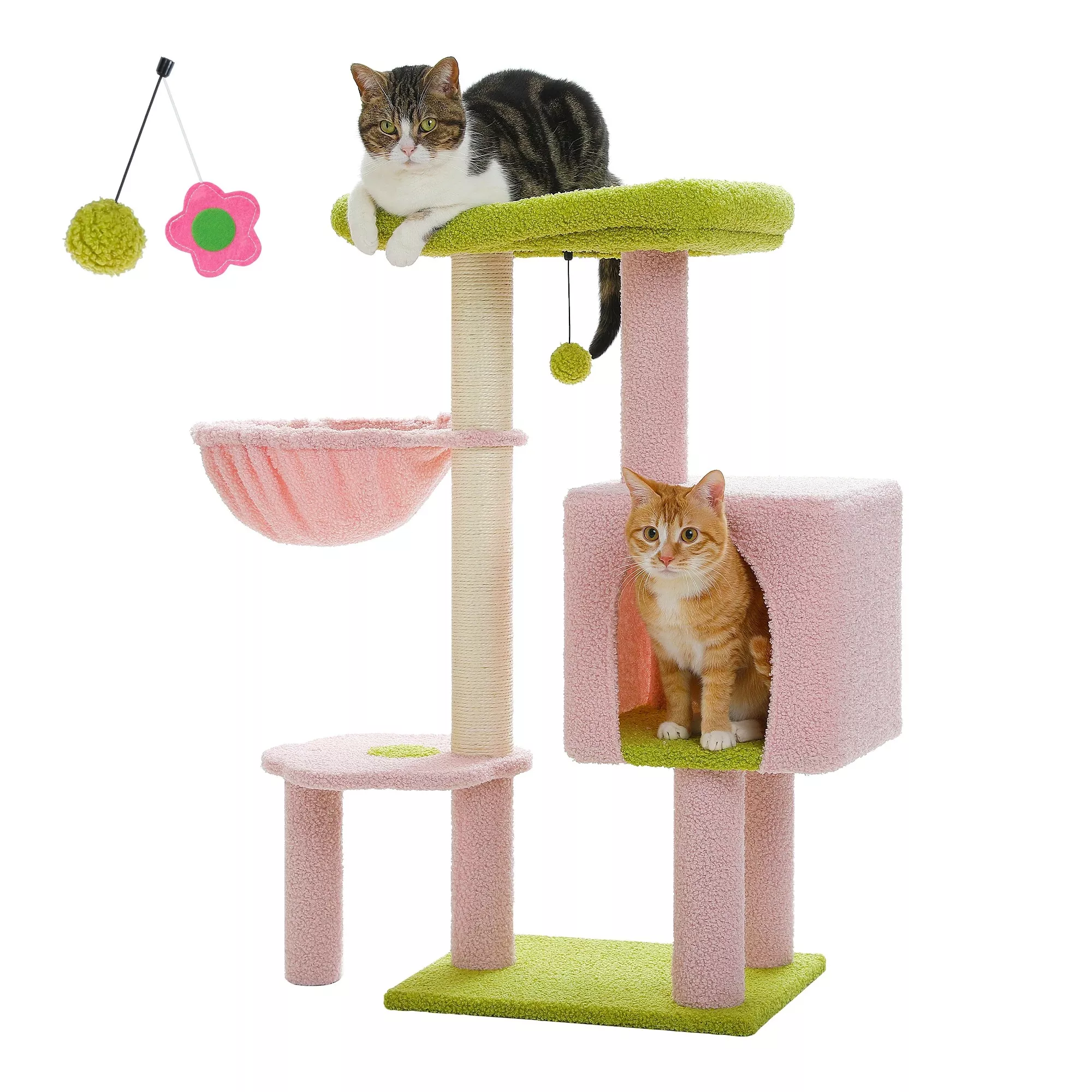 Cactus Cat Tree with Padded Perch, Comfy Hammock, Scratching Post & Dangling Ball A perch-and-hammock tower that keeps an indoor winter full of climbing and lounging. US $40.67 US $103.65 |
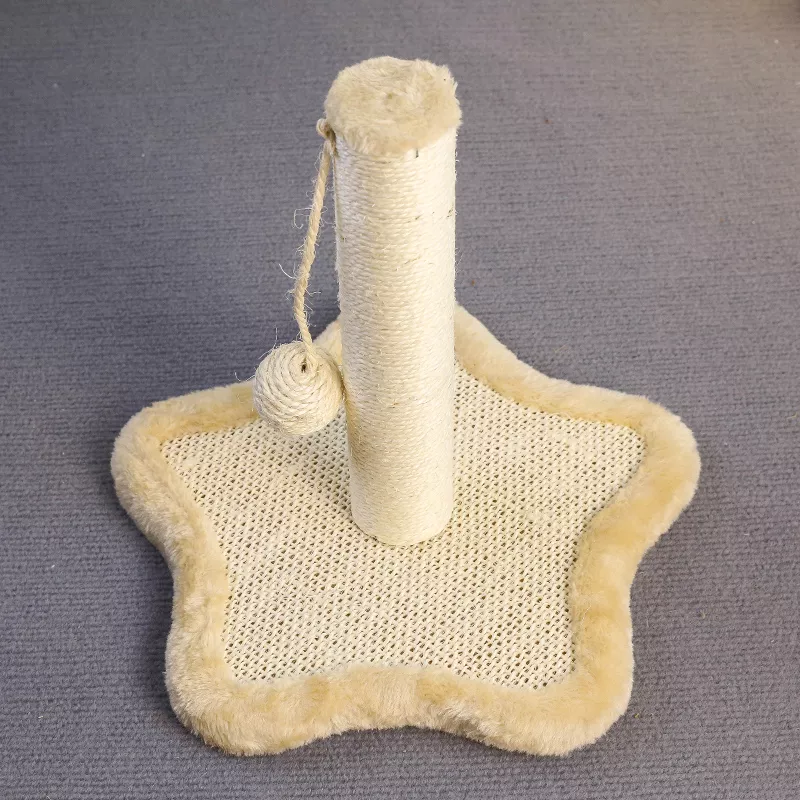 Compact Cat Scratching Post A compact scratcher that keeps an indoor winter routine active between naps. US $25.67 US $47.65 |
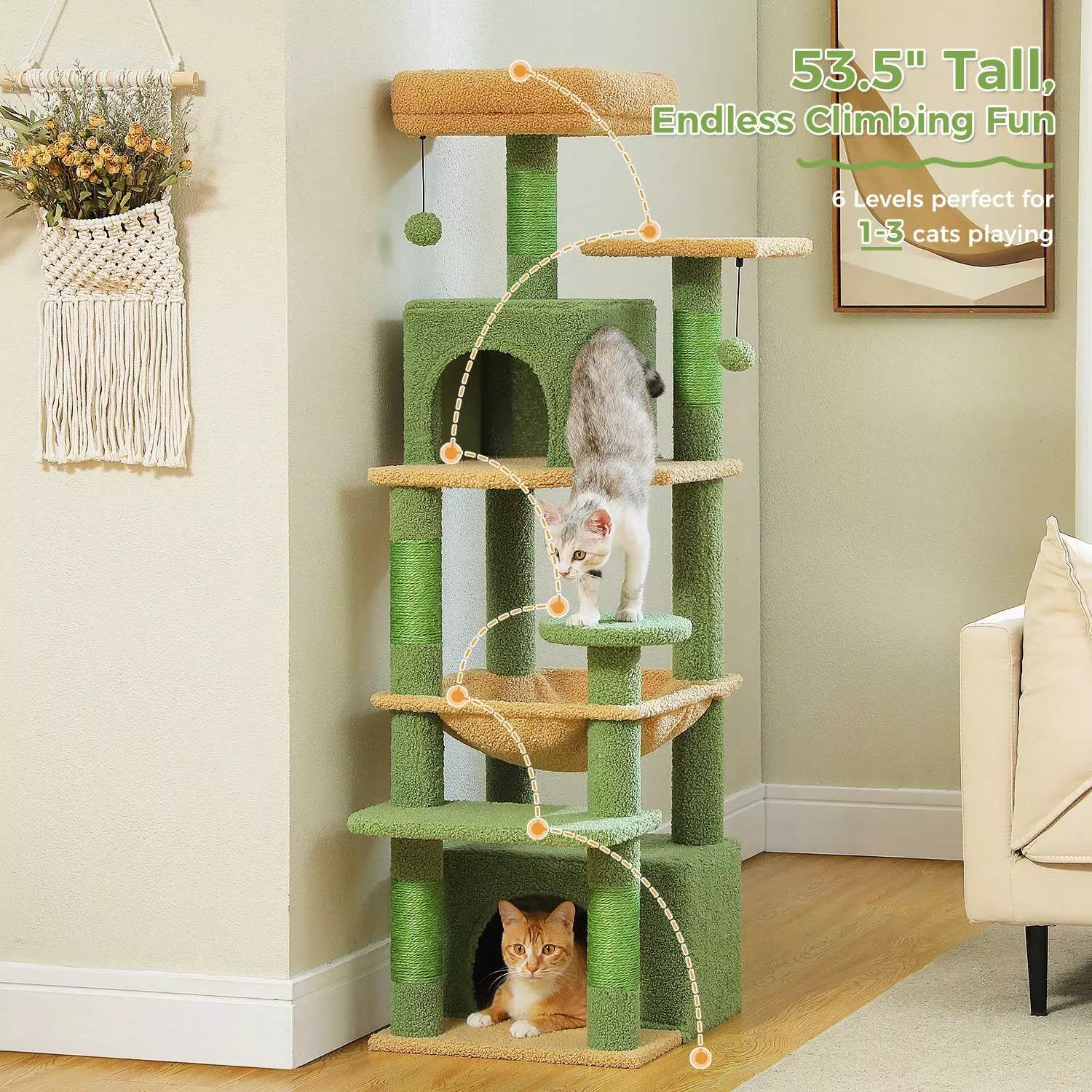 Cat Tree Tower with Sisal Scratching Posts, Hammock & Padded Perches A sisal-and-hammock tower that gives indoor winter days a warm, high vantage point. US $61.01 US $165.32 |
