

Best Cat Beds for Cats in Dining Rooms in Winter: Warmth Away From Foot Traffic
Dining rooms often become gathering spaces in winter. Cats may want to stay near the family, investigate food smells, or nap in sunlight beside a window. Yet moving chairs, serving traffic, candles, dropped food, table linens, and cold floors make bed placement more important than it first appears.
The best dining-room cat beds have a thick insulated base, non-slip underside, washable cover, compact footprint, and a location outside the table-and-chair zone. Donut beds, broad-opening caves, and low-entry bolsters can provide warmth without putting the cat beneath feet.
This guide covers chair clearance, food hygiene, holiday gatherings, candles, cold floors, windows, seniors, kittens, and quiet escape routes. For a plush winter option, explore the Winter Warm Pet Bed.

Quick answer: Where should a cat bed go in a dining room?
Place it beside an interior wall or in a quiet nook beyond the full movement range of chairs. Keep it outside serving routes, away from candles and fireplaces, and far enough from the table that dropped food cannot land in it.
If the room is crowded during meals, give the cat an additional bed in a nearby quiet room.
Map the chair zone first
Pull every chair back as far as a diner normally would. The bed should remain well beyond that boundary. Remember that guests may move chairs farther than usual.
A bed beneath the table or directly behind a chair can lead to stepping, rolling, or trapping injuries.
Best dining-room bed styles
Compact donut beds
A donut bed offers warmth and a defined boundary in a small footprint. Its raised rim supports curled sleeping.
Broad-opening cave beds
A cave can reduce activity and drafts. Face the entrance toward the room so the cat can see people approach and leave easily.

Low-entry bolster beds
Bolsters suit cats that alternate between stretching and curling. Low entry supports seniors and cats with limited mobility.
Cold floors and insulation
Hardwood, tile, and stone can draw heat from a compressed bed. Use a stable non-slip insulating rug pad beneath it. If you can feel the cold floor through the center, choose a deeper base.
Read our cold-floor cat bed guide.
Food hygiene
Keep the bed away from the table, buffet, bar cart, and serving station. Vacuum crumbs and clean spills promptly. Do not feed the cat from the dining table.
Many foods, including onions, garlic, chocolate, alcohol, grapes, raisins, and some sweeteners, can be dangerous to pets. Contact a veterinarian or pet poison service after suspected ingestion.
Pet feeding stations
A cat’s food and water station should usually be separate from its sleeping bed and away from human dining traffic. Choose a stable washable surface and clean bowls regularly.
Automatic feeders can support a routine but still require maintenance, portion checks, and backup planning. They do not replace daily monitoring.
Candles and open flames
Never place the bed near candles, fireplaces, space heaters, or hot serving dishes. A tail or loose blanket can contact flame or heat unexpectedly.
Battery-operated candles can create ambience without an open flame, but small batteries and loose parts must remain inaccessible.
Tablecloths and dangling décor
Long linens can tempt climbing and pull dishes or candles down. Secure or shorten table coverings and keep ribbon, string, floral wire, and breakable ornaments away from cats.
Holiday gatherings
Extra guests, coats, bags, children, and noise can turn a calm dining room into a stressful space. Move the bed to a quiet room before the gathering if its normal exit will be blocked.
Tell guests not to disturb the cat while it rests. Provide water, litter access, and a familiar hiding option.
Windows and exterior doors
Dining rooms often have large windows or patio doors. Leave space from cold glass, test for floor-level drafts, and keep the bed out of the door path.
See our cold-window guide and exterior-door guide.
Self-warming versus powered beds
A self-warming bed preserves some body heat without adding a cord to a busy room. It is often the simpler dining-room choice.
Powered pet beds require dry placement and protected wiring. Keep cords outside every walking and chair route and provide an unheated alternative.
Senior cats
Senior cats need low entry, supportive fill, and a clear route. Their bed should be close enough for companionship but far from moving chairs.

See our senior-cat winter guide.
Kittens
Kittens may climb tablecloths, chew decorations, and dart under chairs. Use a supervised bed outside the dining area and kitten-proof cords and small objects.
Multi-cat homes
Provide more than one warm resting area so cats are not forced to compete beside the table. Each bed needs a separate exit route.
Cleaning the bed
Vacuum crumbs and fur frequently. Wash removable covers according to the label and dry every layer completely. Inspect beneath the bed for spills.
Use our winter cleaning routine.
Dining-room safety checklist
- Outside the full chair zone
- Away from serving paths
- Far from candles and fireplaces
- Insulated non-slip base
- Washable cover
- No dangling cords or linens
- No dropped food access
- Clear route to a quiet room
- Low entry for seniors
- Backup bed available during gatherings
Frequently Asked Questions
Can a cat bed go under the dining table?
No. Chair movement, feet, dropped food, and blocked exits make under-table placement risky.
What bed is best for a dining room?
A compact washable donut, cave, or bolster bed with a thick non-slip insulated base works well in a quiet nook.
How far should the bed be from chairs?
Keep it beyond the maximum pulled-back position of every chair, with extra space for guests.
Are self-warming beds good for dining rooms?
Yes. They provide passive warmth without adding a cord to a busy family space.
Should cat bowls be beside the bed?
Usually not. Separate feeding and sleeping zones help keep bedding cleaner and drier.
What should I do during a party?
Move the cat’s bed to a quiet familiar room with water and litter access before guests arrive.
Keep the cat included, not underfoot
The best dining-room cat bed creates a warm, stable nook outside chair movement, food service, candles, and crowded pathways. A nearby quiet room should always remain available.
Related Articles
- Best Cat Beds for Kitchens
- Best Cat Beds for Cold Floors
- Best Cat Beds Near Exterior Doors
- Best Cat Beds for Senior Cats
- Best Washable Cat Beds for Winter
More From the Winter Warm Pet Bed Collection
 |
Shop the Winter Warm Pet Bed collection
Picks From Our Friends at RuleNo
Three different RuleNo feeding picks selected for this article. Prices checked September 20, 2026 and may change.
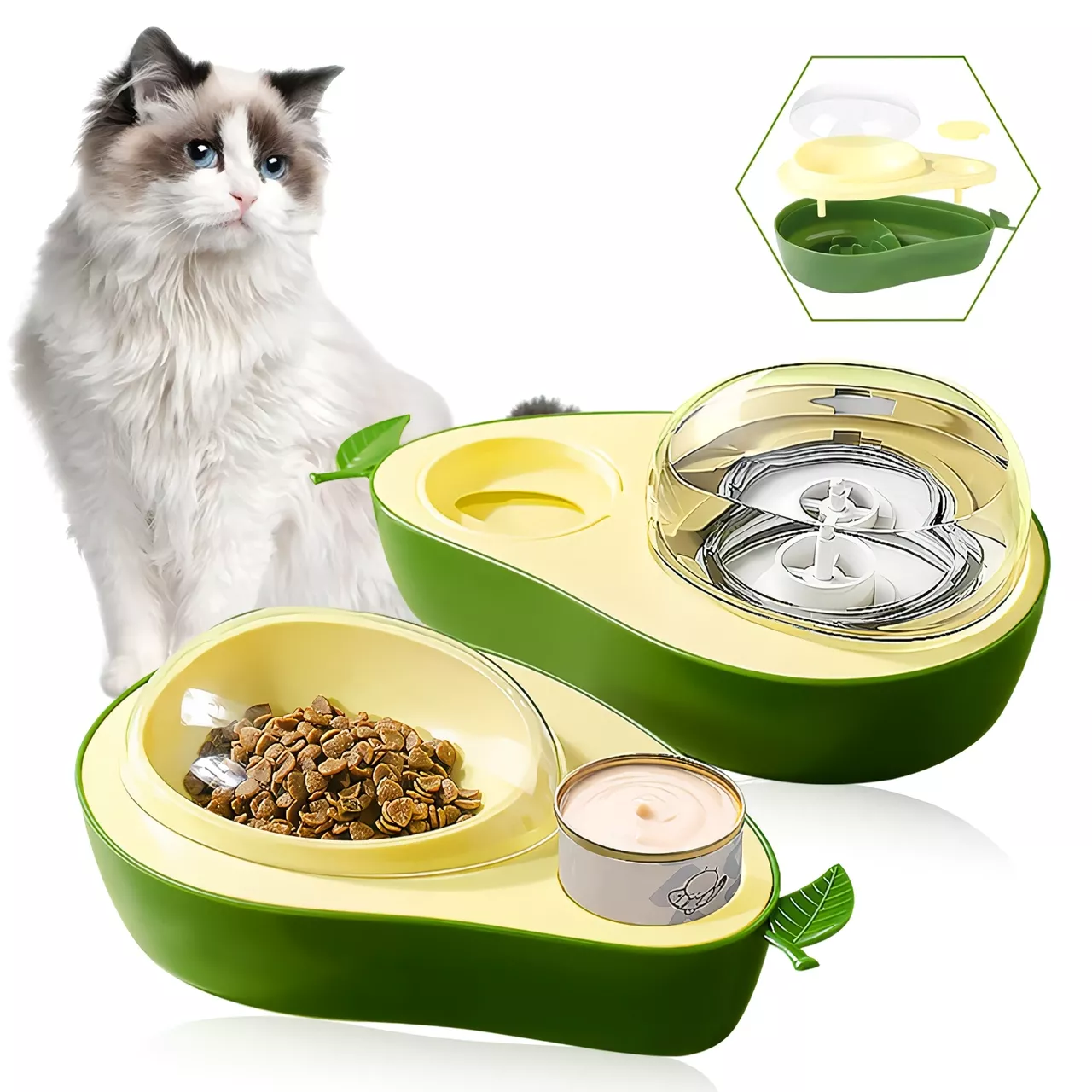 Automatic Raised Pet Feeder A compact raised feeding station with water dispenser and slow-feeder bowl. US $21.82 |
 3L Smart Automatic Pet Feeder A camera-equipped feeder with a stainless steel bowl. US $82.01 |
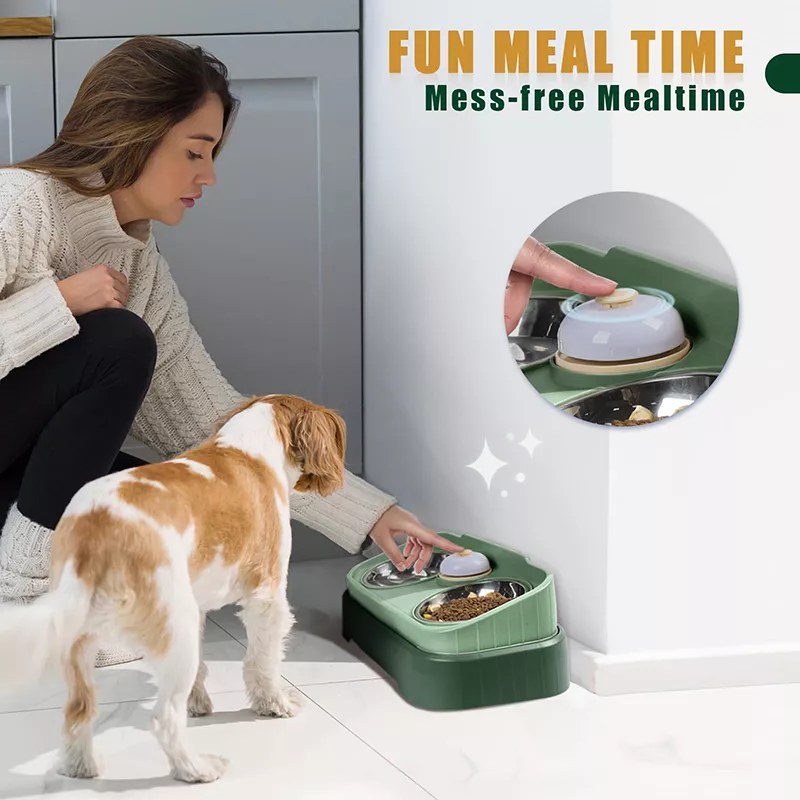 3-in-1 Elevated Pet Bowl Set An adjustable stainless steel bowl set for a dedicated feeding zone. US $53.51 |
