

Best Cat Beds for Cats in Living Rooms in Winter: Cozy Without the Hazards
The living room is often the warmest, busiest place in a winter home. Cats can stay near their people, watch household activity, and nap in familiar surroundings. But fireplaces, recliners, sofa beds, entertainment cords, heaters, cold windows, guests, and holiday decorations create hazards that a good-looking bed cannot solve by itself.
The best living-room cat beds combine a thick insulated base, washable cover, non-slip underside, supportive shape, and placement outside furniture mechanisms and walking routes. Donut beds, broad-opening caves, and low-entry bolsters can all work when matched to the cat’s posture and mobility.
This guide covers safe placement, fireplaces, recliners, cords, windows, gatherings, senior access, cleaning, and no-electric warmth. For a plush winter option, explore the Winter Warm Pet Bed.

Quick answer: Where should a cat bed go in a living room?
Place it beside an interior wall or sofa end, outside the route between doors and seating. Keep it far from fireplaces, heaters, recliners, sofa-bed mechanisms, entertainment cords, and cold glass.
The cat should be able to see the room and leave without passing beneath feet or furniture.
Best living-room bed styles
Donut beds
A donut holds warmth around a curled cat and creates a comfortable chin rest. Check the usable center size rather than relying only on the outer measurement.
Broad-opening cave beds
A cave reduces visual activity and drafts. Choose a stable shape with a wide entrance facing the room.

Low-entry bolster beds
A bolster provides edge support and stretching room. A low front helps seniors and cats with limited mobility.
Fireplace safety
Never place a bed on a hearth or beside an open or glass-fronted fireplace. Sparks, hot glass, tools, logs, and screens can cause burns or fire.
Use a secure barrier, maintain required clearances, and supervise the room. The bed should remain in a cooler safe zone.
Recliners and sofa beds
Cats may crawl beneath recliners or inside sofa mechanisms. Check the cat’s location before moving any seat, footrest, or folding bed.
Keep the cat bed well away from the mechanism so the resting area does not encourage hiding beneath it.
Entertainment centers and cords
Secure television and speaker cords, block access behind equipment, and anchor furniture where appropriate. Keep charging cables and power strips away from bedding.
Do not drape a blanket over equipment or vents to create a hiding place.
Cold windows and patio doors
A sunny window can become cold after sunset. Leave space from the glass, check for drafts at bed height, and move the bed away from condensation.
See our cold-window guide.
Cold floors
Hardwood, tile, and laminate pull heat from compressed bedding. Use a stable non-slip insulating layer. If the center feels cold through the bed, choose deeper fill.
Read our cold-floor guide.
Self-warming versus powered beds
A self-warming bed preserves some body heat without a cord and suits many living rooms. It cannot replace safe room heating.
Powered pet beds require dry placement, protected wiring, and an unheated alternative. Keep cords outside walking and furniture routes.
Holiday decorations
Trees, tinsel, ribbon, string lights, hooks, batteries, breakable ornaments, and seasonal plants may be dangerous. Secure the tree, remove accessible small pieces, and keep electrical cords protected.
Place the bed away from gift piles and decorations so the cat’s route remains clear.
Guests and children
A busy gathering can overwhelm a cat. Ask guests not to touch the cat in its bed and supervise children. Provide a second bed in a quiet room with water and litter access.
Scratching and living-room enrichment
Put an appropriate scratcher near the cat’s preferred route but not inside the sleeping bed. Stable horizontal or vertical options can redirect normal scratching from furniture.
Replace worn pieces that shed staples, strings, or loose cardboard.
Senior cats
Senior cats need low entry, supportive fill, non-slip footing, and a direct route. Avoid forcing an older cat to jump onto a sofa for warmth.

See our senior-cat winter guide.
Kittens
Kittens may enter furniture mechanisms, climb curtains, and chew cords. Block unsafe gaps, secure cables, and supervise closely.
Multi-cat homes
Offer several beds with separate exits and different levels of privacy. One popular fireside zone is not enough if cats compete.
Cleaning the bed
Vacuum fur and crumbs frequently. Wash removable covers according to the label and dry every layer completely. Inspect the underside and surrounding cords.
Use our winter cleaning routine.
Living-room safety checklist
- Away from fireplaces and heaters
- Outside recliner and sofa-bed mechanisms
- Protected cords and power strips
- Clear walking route
- Insulated non-slip base
- Distance from cold glass
- Washable cover
- No dangling decorations
- Low entry for seniors
- Quiet backup bed available
Frequently Asked Questions
Can a cat bed go beside a fireplace?
No. Keep it outside the required clearance and away from hot glass, sparks, tools, and screens.
Is it safe to put a bed beside a recliner?
Only if it is well outside the moving mechanism. Always locate the cat before operating the chair.
What type of bed is best for a living room?
A washable donut, cave, or low-entry bolster with a thick non-slip insulated base works well in a quiet nook.
How do I protect television cords?
Secure cables, block access behind equipment, and keep the bed away from power strips and charging areas.
Are self-warming beds suitable for living rooms?
Yes. They offer passive cord-free warmth when the room itself remains safely heated.
Where should the cat sleep during a party?
Offer a familiar quiet room with a bed, water, litter access, and a closed or controlled entrance.
Cozy together, safely apart
The ideal living-room bed keeps the cat close to family while maintaining distance from heat, moving furniture, cords, guests, and drafts. Comfort works best when the location is boringly safe.
Related Articles
- Best Cat Beds for Dining Rooms
- Best Cat Beds Near Radiators and Heat Vents
- Best Cat Beds Near Cold Windows
- Best Cat Beds for Senior Cats
- Best Self-Warming Cat Beds
More From the Winter Warm Pet Bed Collection
 |
Shop the Winter Warm Pet Bed collection
Picks From Our Friends at RuleNo
Three different RuleNo enrichment picks selected for this article. Prices checked September 20, 2026 and may change.
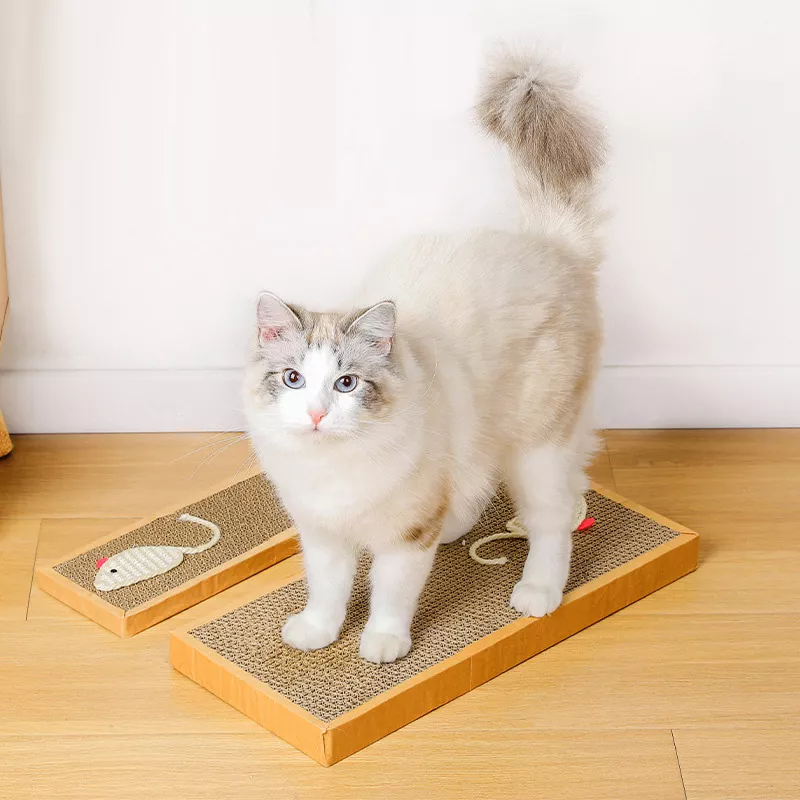 Cat Scratching Mat and Furniture Protector A simple scratching surface for redirecting normal claw care. US $8.51 |
 Flip Unlimited Cat Scratching Board A reversible living-room scratcher for active indoor cats. US $52.97 |
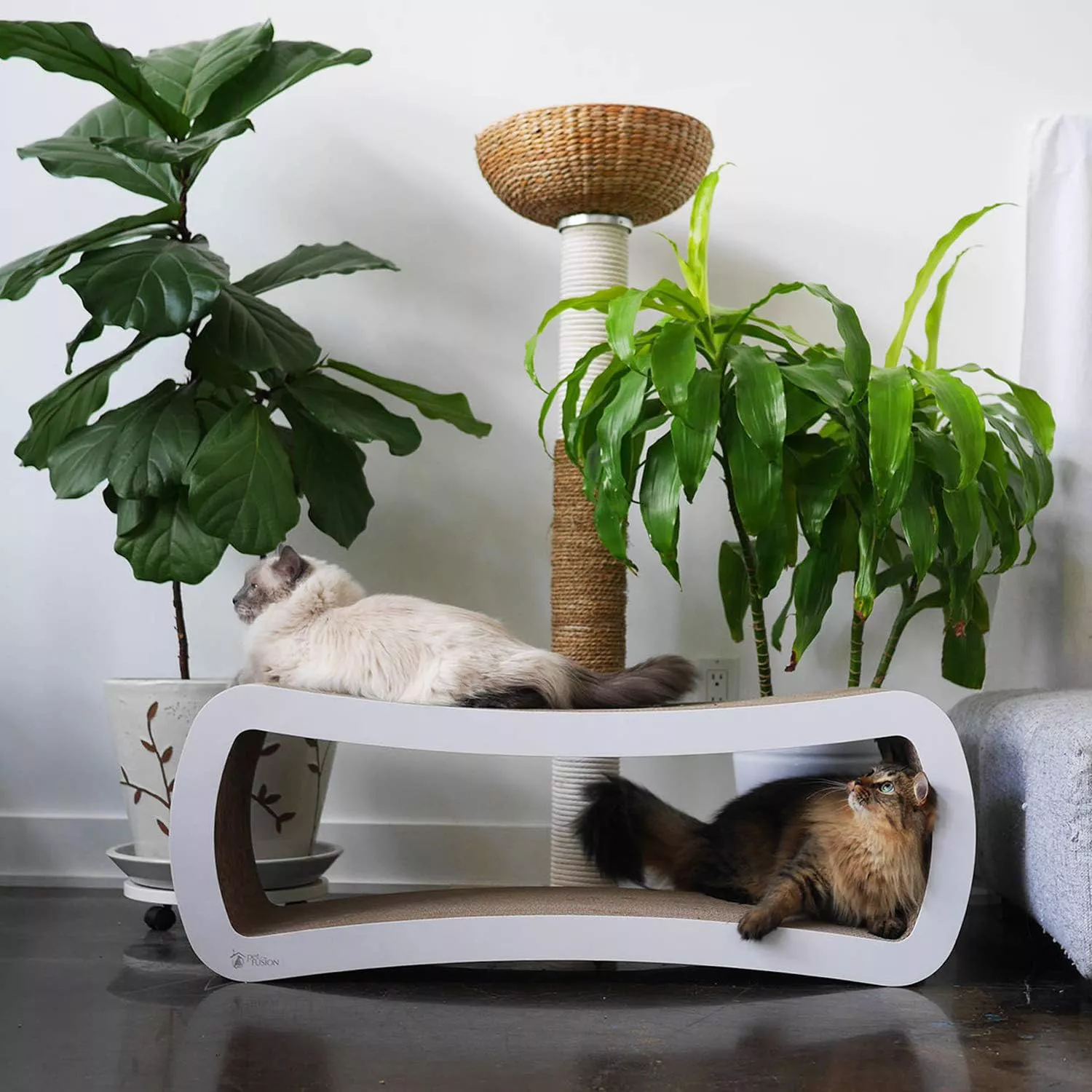 Giant Cat Scratching Lounge A larger scratch-and-lounge station for shared family spaces. US $107.17 |
