

Best Cat Beds for Cats in Playrooms in Winter: Quiet Rest Around Safe Play
A playroom can keep a cat near family activity during winter, but it is rarely quiet by default. Rolling toys, building pieces, craft supplies, storage bins, children, floor cushions, cords, and heaters can turn a warm room into an unpredictable sleeping space.
The best playroom cat beds have a thick insulated base, non-slip underside, washable cover, supportive shape, and placement inside a recessed quiet nook. Donut beds, broad-opening caves, and low-entry bolsters can work when toys are stored, the floor stays clear, and children understand that the bed is a rest zone.
This guide covers small parts, crafts, toy storage, children, cold floors, heaters, seniors, kittens, and quiet retreat access. For a plush winter option, explore the Winter Warm Pet Bed.

Quick answer: Where should a cat bed go in a playroom?
Place it beside an interior wall in a calm alcove, outside the path between the door, toy storage, activity table, and seating. Keep it away from rolling toys, climbing structures, craft supplies, heaters, and storage that could fall.
The cat must have an easy route to a quiet adult-controlled room.
Best playroom bed styles
Donut beds
A donut bed creates a strong visual boundary and supports curled sleeping. Choose a non-slip base so play activity does not push it into the room.
Broad-opening cave beds
A cave can reduce movement and noise, but children may treat it like a toy. Use a stable broad-opening design and establish a hands-off rule.

Low-entry bolster beds
Bolsters suit cats that stretch and seniors that need easy access. The raised sides provide support without hiding the cat completely.
Teach children that the bed is a quiet zone
Children should not climb into the bed, carry the cat, wake it, cover the entrance, or push toys inside. Adults must supervise all interactions.
A resting cat should always be allowed to leave. Watch for flattened ears, tail lashing, hiding, or attempts to escape.
Small toys and building pieces
Small parts can be swallowed, batted beneath furniture, or carried into bedding. Use lidded storage and complete a floor check before the cat enters.
Dispose of damaged toys with loose strings, magnets, batteries, foam, or sharp edges.
Craft supplies
Store glue, paint, clay, markers, beads, yarn, ribbon, needles, and scissors in secure cabinets. String-like materials can cause severe internal injury if swallowed.
Keep the cat out during crafts and cleanup. Follow product labels and contact a veterinarian after suspected exposure.
Rolling and powered toys
Cars, balls, drones, and remote-controlled toys may startle or strike a cat. Use them away from the bed and store them after play.
Do not leave battery compartments or charging cords accessible.
Cat toys in playrooms
Cat-specific teaser toys can support supervised activity, but wand strings and feathers should be stored after use. Automatic laser toys require supervision and must never point at eyes.
End chase play with a physical toy or reward the cat can catch.
Storage bins and shelving
Secure shelves to prevent tipping and use bins that cannot collapse onto the cat. Do not position the bed beneath storage.
Soft toy piles can hide the cat, making it harder for children to see where they step.
Cold floors
Playrooms often have laminate, hardwood, or floors over garages. Use a stable insulating rug beneath the bed.
Read our cold-floor guide.
Windows and drafts
Leave space from cold glass and check for drafts at floor height. Keep the bed away from blind cords and condensation.
See our cold-window guide.
Heaters and floor vents
Keep the bed away from space heaters, radiators, baseboards, and supply vents. Children’s blankets and toys must also stay away from heat sources.
A self-warming bed offers passive cord-free warmth without adding another powered device.
Noise and overstimulation
Even a well-placed bed may be too exposed during energetic play. Provide an additional quiet-room bed so the cat can withdraw.
Do not trap a cat in the playroom to encourage socialization.
Senior cats
Senior cats need low entry, supportive fill, non-slip footing, and protection from collisions. Their primary bed is often better in a calm room.

See our senior-cat winter guide.
Kittens
Kittens may chew toys, climb shelving, and run beneath feet. Use a kitten-proofed primary room and supervise all playroom access.
Cleaning the bed
Vacuum crumbs, craft debris, and fur frequently. Wash removable covers according to the label and dry every layer completely.
Use our winter cleaning routine.
Playroom safety checklist
- Bed inside a quiet alcove
- Clear floor and walking route
- Small parts stored securely
- Craft supplies locked away
- Shelves anchored
- No rolling toys near the bed
- No cords or batteries accessible
- Children supervised
- Clear exit to a quiet room
- Backup bed available
Frequently Asked Questions
Is a playroom too noisy for a cat bed?
It may be during active play. Keep a second bed in a quiet room and let the cat choose.
Are cave beds good for playrooms?
They can provide privacy, but adults must prevent children from treating the bed or resting cat like a toy.
Can children share the cat bed?
No. The bed should remain the cat’s protected rest space.
Can cat toys stay beside the bed?
Only safe independent toys. Store strings, feathers, powered toys, and small parts after supervised use.
What is the best bed for a cold playroom floor?
Choose a thick washable bed on a stable non-slip insulating layer.
Are self-warming beds suitable?
Yes. They provide passive cord-free warmth when the room itself remains safely heated.
Quiet nook, safe toys, clear floor
A playroom cat bed works when rest is protected from play. Keep toys and crafts stored, preserve a clear route, supervise children, and give the cat a quieter alternative.
Related Articles
- Best Cat Beds for Living Rooms
- Best Cat Beds for Cold Floors
- Best Cat Beds for Hallways
- Best Cat Beds for Senior Cats
- Best Self-Warming Cat Beds
More From the Winter Warm Pet Bed Collection
 |
Shop the Winter Warm Pet Bed collection
Picks From Our Friends at RuleNo
Three different RuleNo play picks selected for this article. Prices checked September 20, 2026 and may change.
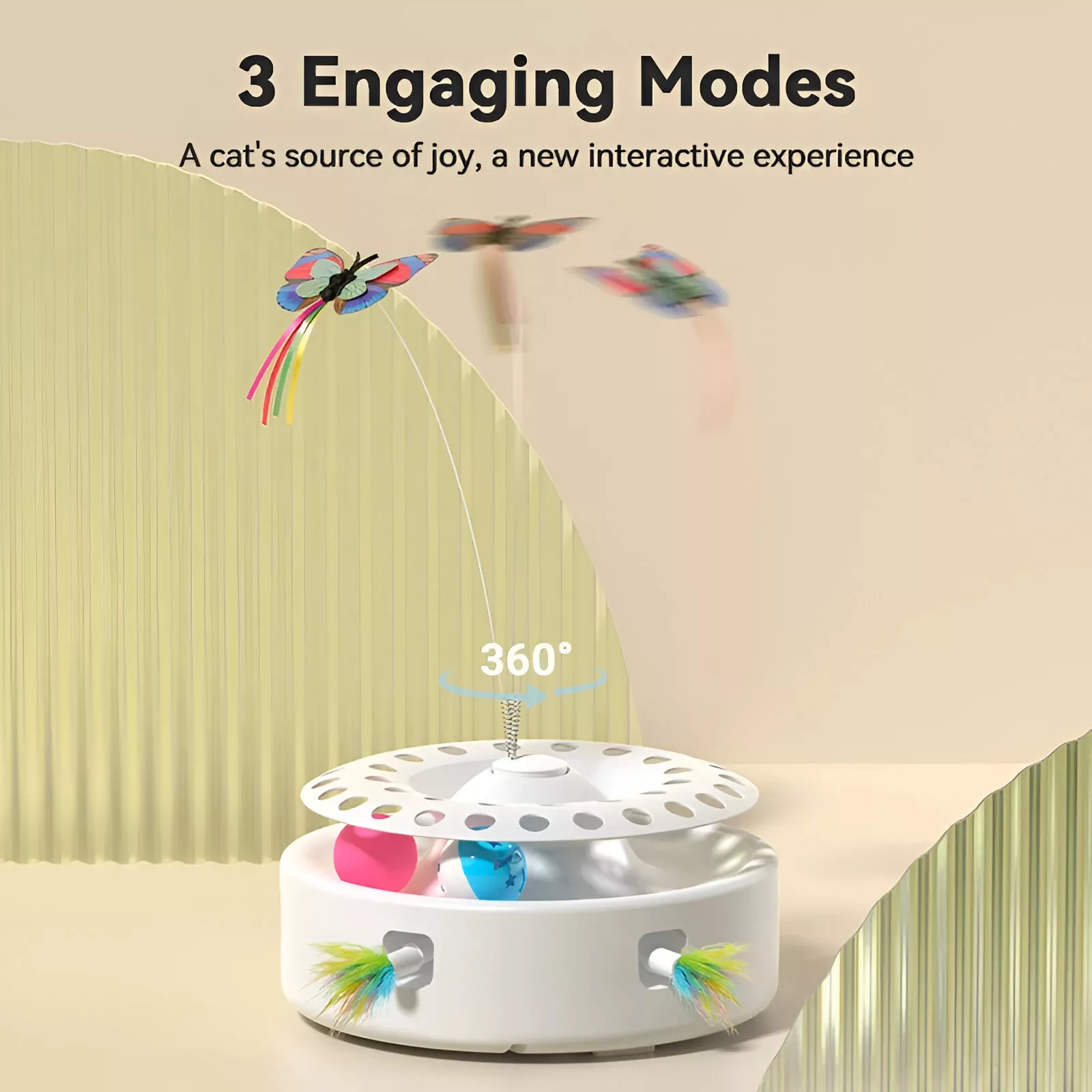 Interactive 3-in-1 Cat Toy Set Butterfly, feather, and ball teasers for supervised play. US $26.82 |
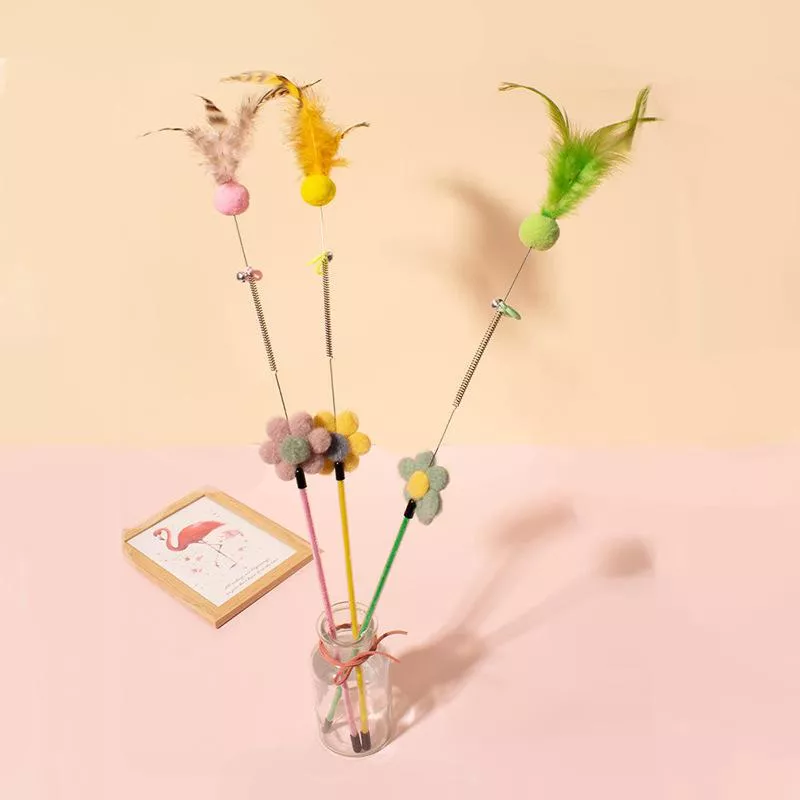 Furry Ball, Feather and Bell Teaser A compact interactive toy for supervised cat play. US $6.51 |
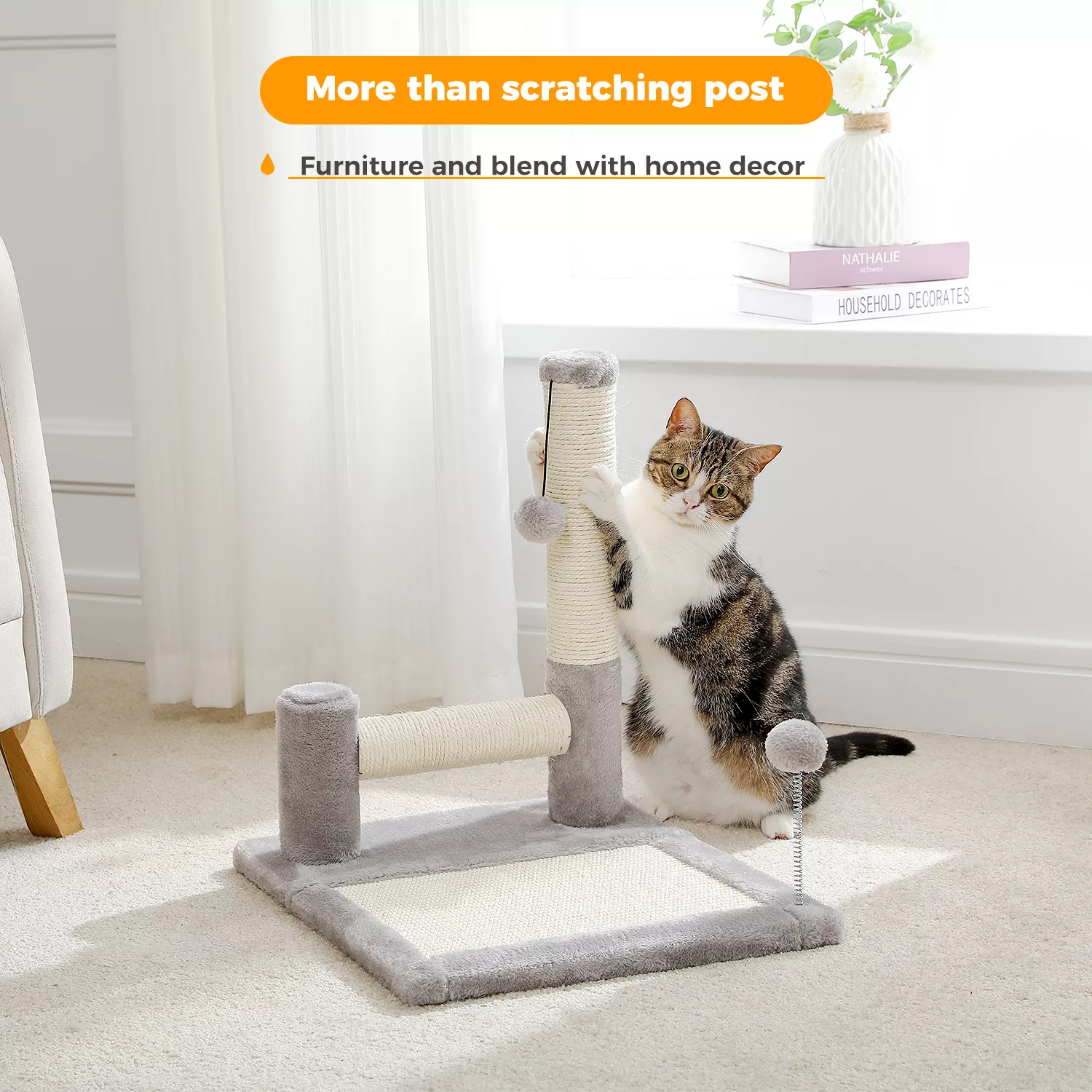 Two-Post Sisal Scratching Pad A scratch station with an integrated interactive play ball. US $32.51 |
