

Best Cat Beds for Cats in Hallways in Winter: Cozy Nooks Without Trip Hazards
Hallways connect warm rooms, stairs, doors, and family activity, so cats often use them as observation posts. In winter, however, an open corridor may collect drafts, cold floor temperatures, and nighttime foot traffic. A bed placed directly in the walkway can become a hazard for both the cat and the people in the home.
The best hallway cat beds are compact, insulated, non-slip, easy to see, and placed entirely inside a recessed alcove or wide landing nook. Donut beds, broad-opening caves, and low-entry bolsters can work when they leave the required passage width and do not block doors, stairs, vents, or emergency routes.
This guide covers narrow corridors, night visibility, stair landings, exterior-door drafts, heating vents, seniors, kittens, and no-electric warmth. For a compact plush option, explore the Winter Warm Pet Bed.

Quick answer: Is a hallway a good place for a cat bed?
Only when a true alcove or wide niche keeps the entire bed outside the walking route. Never place a bed in a narrow corridor, at the top or bottom of stairs, in a doorway, or along an emergency exit path.
If people must step around it, move it to a room instead.
Measure the usable walkway
Measure the corridor with doors and cabinets open. The bed must not reduce safe passage or interfere with mobility devices, laundry baskets, nighttime movement, or emergency access.
A bed can shift during use, so allow extra clearance around its outer edge.
Best hallway bed styles
Compact donut beds
A compact donut provides warmth in a small footprint. Choose a non-slip base so enthusiastic entry does not slide the bed into the corridor.
Broad-opening cave beds
A cave offers privacy in a busy connector space. Its entrance should face the open room, never a wall or stair edge.

Low-entry bolster beds
Bolsters suit seniors and cats that stretch. Use them only in a large alcove because their footprint may be wider.
Night visibility
A cat bed can disappear in a dark hallway, especially if its color matches the floor. Use a low-level night-light that does not shine directly into the bed.
Keep cords secured and out of the route. Reflective trim can improve visibility, but avoid loose decorative parts.
Stair and landing safety
Never place a bed on a stair, at a turn in the staircase, or beside an open railing. A sleepy person or startled cat may fall.
Senior cats need their bed, food, water, and litter access on a level they can reach safely.
Exterior-door drafts
Entry hallways can become cold when doors open. Keep the bed away from the door swing and direct draft path. Check conditions at floor height.
See our exterior-door guide.
Cold floors
Tile, stone, laminate, and hardwood conduct heat away from compressed bedding. Use a stable non-slip insulating layer beneath the bed.
Read our cold-floor cat bed guide.
Heating vents and radiators
Do not block return grilles or supply vents. Keep the bed away from hot radiators and baseboard heaters, and follow equipment clearances.
Our radiator and vent guide explains safer placement.
Doors, closets, and cabinets
Check every door swing before placing the bed. Closet and bathroom doors may strike or trap a resting cat.
Do not use a nook that stores cleaning products, shoes treated with ice melt, or hanging items that can fall.
Self-warming versus powered beds
A self-warming bed preserves body heat without adding a cord to a passageway. It is generally the practical choice for a safe hallway nook.
Powered beds create cord-routing challenges and should be moved to a room where wiring can be protected.
Senior cats
Senior cats may choose hallways to monitor household activity without walking far. Provide low entry, supportive fill, and a clear level approach.

See our senior-cat winter guide.
Kittens
Kittens may dart from the bed beneath moving feet or through an exterior door. Their primary rest area belongs in a secure room rather than an active hallway.
Children and guests
Tell family and visitors that the nook is the cat’s quiet zone. During parties, relocate the bed before the hall becomes crowded with coats and bags.
Hallway play safety
Do not leave rolling balls, laser devices, or wand toys in a walking route. Use interactive toys in a larger supervised room, then store them safely.
Never aim a laser at eyes. End play with a physical toy or reward the cat can catch.
Cleaning the bed
Hallway beds collect dust, grit, and ice-melt residue. Vacuum frequently, wash removable covers according to the label, and dry every layer completely.
Use our winter cleaning routine.
Hallway safety checklist
- Entire bed inside a recessed alcove
- Full walking width preserved
- Away from stairs and doors
- Visible in low light
- Non-slip insulated base
- No blocked vents
- No cords across the route
- No shoes or ice melt nearby
- Clear entrance and exit
- Quiet-room backup bed available
Frequently Asked Questions
Can I put a cat bed in a narrow hallway?
No. If the bed occupies the walking path or forces people to step around it, choose another room.
Is a stair landing safe for a cat bed?
Only a large enclosed landing alcove may work. Never place a bed beside steps or an open railing.
What kind of bed works in a hallway nook?
A compact non-slip donut or broad-opening cave with a thick insulated base usually fits best.
Should I use a night-light?
Low-level lighting can improve visibility for people and senior pets. Secure its cord and avoid shining it into the bed.
Are heated beds good for hallways?
Cords can create trip hazards. A self-warming bed in a safely heated home is generally simpler.
Can toys stay beside the hallway bed?
Do not leave rolling, dangling, or powered toys in a walkway. Store them after supervised play.
Choose a nook, not a corridor
A hallway cat bed succeeds only when the entire setup disappears into a safe recess while the passage remains clear. Prioritize visibility, insulation, non-slip footing, and an unobstructed route for everyone.
Related Articles
- Best Cat Beds Near Exterior Doors
- Best Cat Beds for Cold Floors
- Best Cat Beds for Living Rooms
- Best Cat Beds for Senior Cats
- Best Self-Warming Cat Beds
More From the Winter Warm Pet Bed Collection
 |
Shop the Winter Warm Pet Bed collection
Picks From Our Friends at RuleNo
Three different RuleNo play picks selected for this article. Prices checked September 20, 2026 and may change.
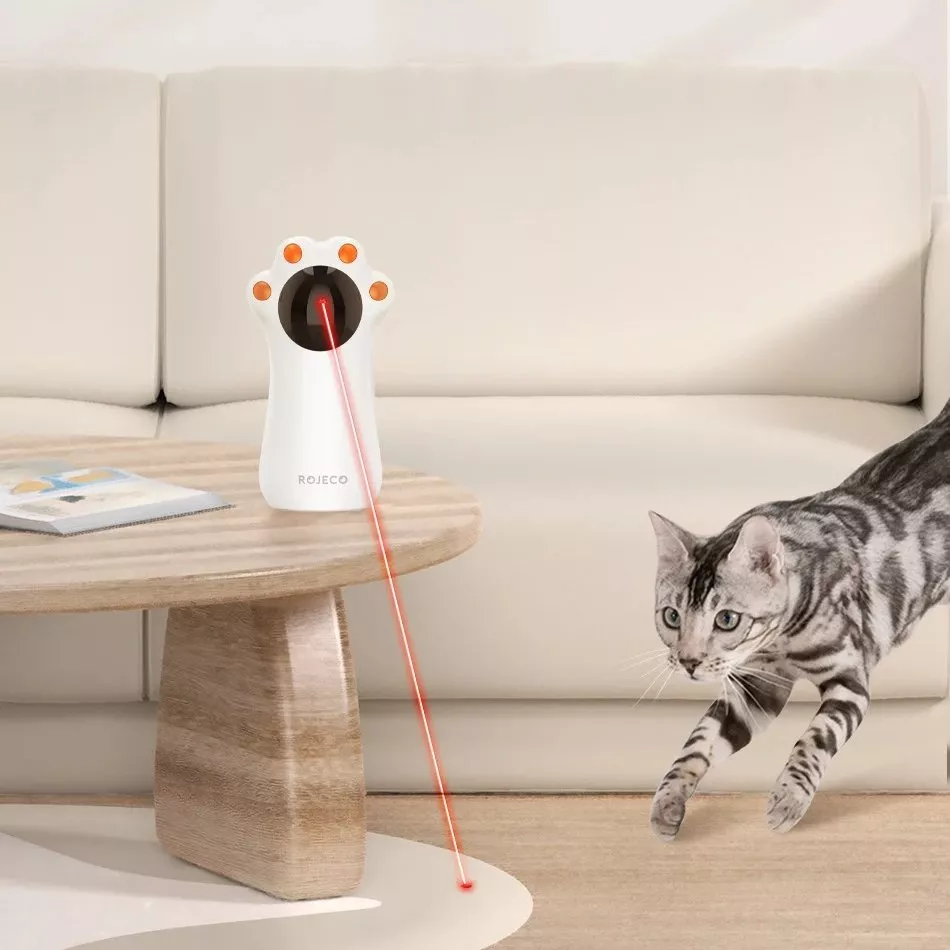 Automatic Cat Laser Toy An interactive light toy for supervised play in an open room. US $9.51 |
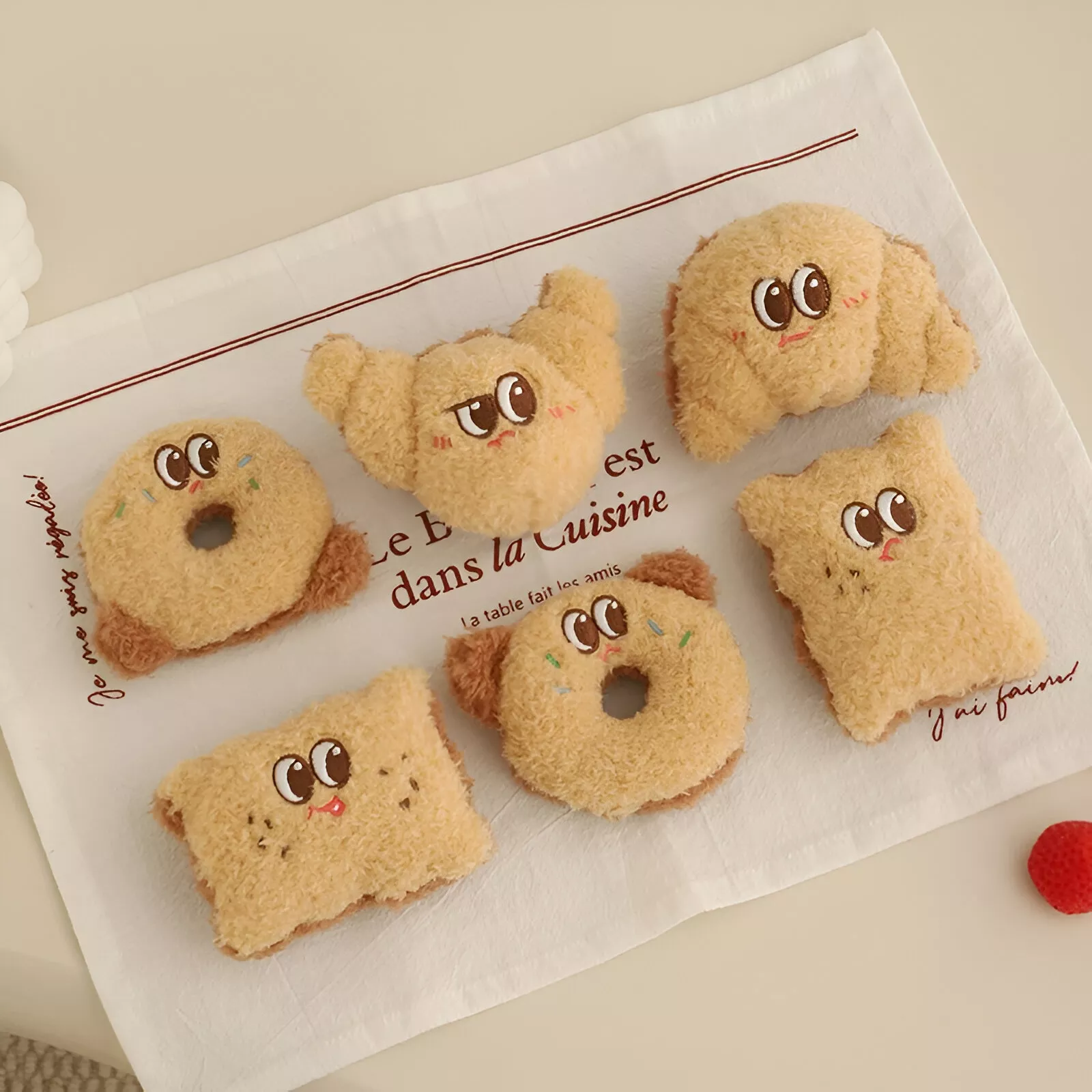 Catnip Teaser Wand and Pastry Toy Set A small interactive set for play away from the hallway route. US $9.67 |
 Interactive Sisal Cat Scratching Ball A compact scratching and sound toy for supervised enrichment. US $5.01 |
