

Best Cat Beds for Cats in Cold Basements and Garages: Safe Warmth & Dry Shelter
Basements and garages can look like convenient winter spaces for cats. They may be quiet, protected from snow, and close to storage or utility areas. But they can also have cold concrete floors, damp air, drafts, chemical hazards, vehicle fumes, and temperatures that change sharply overnight. A cat bed is useful in these rooms, but the bed must be part of a safe shelter plan rather than the only source of protection.
The best cat beds for cats in cold basements and garages lift the body away from cold flooring, resist dampness, stay stable, and give the cat an easy route out. This guide explains how basement and garage conditions differ, how to build a dry winter sleeping area, when a room is unsuitable, how to choose no-electric warmth, and how to monitor the setup through the season.

Are cold basements and garages safe for cats?
That depends on the room, not the bed. A finished basement that is dry, heated, ventilated, and free from chemicals can be a comfortable part of a home. An unfinished basement with standing water, exposed insulation, mold, or a freezing floor needs improvement before it becomes a regular cat room.
A garage requires even more caution. Cars, exhaust, antifreeze, pesticides, paint, solvents, tools, sharp objects, open doors, and moving equipment can create hazards. A cat should never be left in a garage where a vehicle may start, fumes may collect, or toxic products are accessible. If a garage is used as a shelter, it must be fully secured, dry, ventilated, and separated from vehicles and chemicals.
Outdoor community cats need a purpose-built outdoor shelter, not an exposed bed placed beside a garage. The shelter must block wind and rain, stay elevated, and use bedding that remains dry. For an owned indoor cat, the safest winter choice is usually an interior room with a stable temperature and a clear route to food, water, and litter.
A veterinarian can help you judge risk for kittens, senior cats, thin-coated cats, underweight cats, and cats with arthritis or illness. These cats may lose heat more quickly and may not move away from a cold or unsafe area effectively.
How basements lose heat
Concrete floors are the biggest issue in many basements. Concrete can feel cold even when the air is tolerable, and a thin cushion does little to stop heat moving away from a cat’s body. Exterior foundation walls can also create cold zones, especially near windows or corners.
Humidity matters too. A damp basement makes fabrics feel colder and slows drying after washing. Check the room for condensation, musty odors, leaks, and damp rugs. A bed that stays slightly wet is not a warm bed. Fix the moisture problem first, then add the sleeping setup.
Basement stairs can be another concern. A stiff or senior cat may manage the room but struggle with the route to it. Place food, water, litter, and sleeping areas on the same safe level when possible. A warm bed that is difficult to reach will not be useful.
How garages create extra winter risks
Garage doors open often, creating sudden cold air and escape opportunities. A bed near the door may become a wind tunnel during loading, unloading, or vehicle use. Choose an interior wall only after confirming the wall is dry and free from chemical storage.
Never place a cat bed near a vehicle exhaust path, fuel, antifreeze, paint, pesticide, fertilizer, or cleaning products. Many garage chemicals are dangerous even in small amounts. Store them in sealed, locked cabinets and clean spills immediately. Keep cords, tools, nails, blades, and loose plastic out of reach.
Do not use a garage heater unless it is approved for the space and safely installed. Improvised heaters, exposed flames, and extension cords can create fire or fume hazards. A self-warming bed is safer than an uncontrolled heat source, but it cannot make a garage safe by itself.
What the bed needs in a cold basement or garage
Elevation from concrete
The bed needs a real barrier between the cat and the floor. Use a dense insulated base, a thick mat, or a low stable platform beneath the bed. The platform must not wobble, tip, or create a high jump for the cat. A secure low riser can work for a healthy adult cat, but floor-level low entry is often better for kittens and seniors.
Dry, washable construction
Choose a removable cover that can be washed and dried fully. Avoid placing absorbent fabrics directly against a damp wall or floor. Inspect the underside frequently. If the bed smells musty, feels cool and damp, or shows mildew, remove it from use.
Wind protection without sealing the cat in
A raised rim or semi-enclosed design can block airflow. Position the bed so the highest wall faces the draft while the entrance faces the room. The cat must be able to exit quickly, and the opening must stay clear of blankets, boxes, and stored items.
Non-slip footing
Concrete, painted floors, and garage coatings can be slippery. A non-slip base keeps the bed in place and reduces the chance of a cat slipping while standing. Secure any rug beneath the bed so its edges do not curl.
Resilient support
A bed that collapses onto concrete does not provide enough insulation. Choose fill that returns to shape and inspect it after several weeks. If the cat’s hips or shoulders reach the bottom, replace the insert or bed.

Self-warming or heated: which is safer?
Self-warming beds are often the simplest choice for a cold basement. They use insulating or reflective materials to return some body heat without a cord or powered element. They still require a dry room and regular inspection, but they remove many electrical concerns.
A heated bed may be appropriate in a finished, monitored room, but never use an indoor heated bed in a damp garage or near water, chemicals, vehicles, or chewing hazards. Use only a product with protected wiring and temperature control. Leave an unheated alternative so the cat can move away.
Do not cover a heating element with thick blankets unless the manufacturer allows it. Do not use a human heating pad as a substitute for a pet product. Never run a cord through a doorway where it can be pinched or chewed.
For most indoor cats, a dry, insulated, self-warming bed combined with room improvements is a sensible starting point. Our self-warming cat bed guide explains no-electric options, while our heated cat bed guide covers powered warmth.
Best shapes for basement and garage sleeping areas
Round and donut beds
A donut bed can create a compact windbreak for a cat that curls. Put the tallest part toward the cold wall and the entry toward the warmer room. The front edge must remain low enough for the cat to cross easily.
Semi-enclosed beds
A semi-enclosed bed is useful when the cat wants shelter but needs visibility. Choose a broad opening, breathable lining, and a cover that can be removed. Keep the entrance away from the garage door or basement stairwell draft.
Low-entry orthopedic beds
Senior and arthritic cats may need a low-entry bed with even support. A deep cave can be warm but difficult to use. Our arthritis cat bed guide covers support and easy entry.
Flat mats
A flat mat works beneath a desk or inside a secure basement room when the cat stretches or dislikes walls. It needs extra floor insulation because it does not block airflow by itself.
How to create a dry basement cat corner
Start with a moisture check. Keep the bed away from foundation walls, plumbing leaks, sump pits, laundry splashes, and condensation. Use a washable rug or low platform, but do not cover a wet floor and hope it dries underneath.
Choose an interior wall where possible. Add a draft barrier on the cold side, but leave the entrance open. Keep the corner visible enough that you can check the cat, bed, and floor without disturbing the animal.
Place water in a stable bowl away from the bed. Spilled water is more serious in a cold room because fabric dries slowly. Keep the litter box nearby enough for access but far enough away to protect the sleeping surface from litter dust and odor.
Use a room thermometer and, if humidity is a concern, a hygrometer. Check the room at night and early morning, when temperatures may be lowest. If the room becomes too cold or damp, move the cat to a safer interior area.
How to create a safe garage shelter
The safest garage setup is separated from vehicles and storage by a secure barrier. The cat should not be able to reach a car, crawl under machinery, access chemicals, or escape through the garage door. Check the space every time before allowing the cat inside.
Use an elevated, insulated shelter only if it remains dry and stable. Keep bedding away from the garage door’s direct airflow. Do not use loose straw, blankets, or cushions that become wet and cold. Outdoor shelters may require different bedding materials than indoor beds, and the bedding must be checked often.
Never allow a cat to remain in a garage while a vehicle is warming up. Carbon monoxide and other exhaust gases are dangerous. Do not rely on the garage door being open as ventilation during winter. The safest choice is an indoor room separate from vehicle use.
Placement around other pets
A basement or garage can become a contested space if multiple cats or dogs use it. Give each cat an escape route and, when possible, a separate bed. A confident pet should not be able to block the entrance to the only warm shelter.
Keep dogs from knocking over low platforms or chewing cords. Do not place the cat bed beside a noisy appliance if the cat is easily startled. A quiet, predictable room is more valuable than a warmer but chaotic corner.
Supporting kittens, seniors, and cats with arthritis
Kittens need easy entry and frequent checks. A deep cave may be difficult to exit, and a garage may contain too many hazards. Keep kittens in a warm, supervised indoor room rather than using a cold utility area as a nursery.
Senior cats need a level route to bed, food, water, and litter. Use low entry, stable footing, and a surface that supports the body evenly. Avoid expecting a senior cat to climb onto a high platform for warmth.
Cats with arthritis may need especially careful floor insulation and a bed with a broad low opening. Cold concrete can make movement harder. For detailed support advice, see our orthopedic cat bed guide.
Cleaning and moisture control
Check the bed every day in a basement or garage. Feel the cover, inspect the underside, and smell for dampness. Wash removable covers according to the care label and dry them completely in a warm, ventilated area before rebuilding the bed.
Do not put a damp bed back on concrete. Do not store a dry bed beside paint, fuel, pesticides, or strong cleaners. Keep the bed in a sealed but ventilated storage container when not in use, and inspect it before returning it to the cat.
Vacuum dust and litter around the sleeping area. Clean spills immediately. If the room has mold, persistent musty odor, or standing water, move the cat and solve the environmental problem before replacing the bed.
Our winter cleaning routine can help build a cover rotation that keeps the sleeping surface dry.
Quick buying checklist
- Dry, insulated base that separates the cat from concrete
- Low, stable entry and a clear exit
- Raised rim or semi-enclosure that blocks direct airflow
- Non-slip base or secured mat beneath the bed
- Washable cover and resilient fill
- Breathable materials that do not hold dampness
- Placement away from chemicals, vehicles, and exhaust
- Room for separate beds in multi-pet spaces
Frequently Asked Questions
Can a cat sleep in a cold basement?
Only if the basement is dry, safe, ventilated, and warm enough for the cat’s age and health. Keep the bed away from cold concrete and exterior walls, monitor the overnight temperature, and provide easy access to essential resources.
Can a cat sleep in a garage in winter?
A garage is risky because of vehicles, fumes, chemicals, escape routes, and temperature swings. If it is used at all, it must be fully secured, dry, ventilated, separated from vehicles, and monitored. An indoor room is safer for most owned cats.
What should I put under a cat bed on concrete?
Use a stable insulating mat, secured rug, or low platform that cannot wobble. The goal is to create a barrier between the bed and concrete while keeping the entrance level and safe.
Is a heated bed safe in a garage?
Do not use a heated bed in a damp, unsecured, or vehicle-use garage. Moisture, chewing, cords, fumes, and fire hazards make the setting inappropriate. Choose a safe indoor room whenever possible.
How do I keep basement bedding dry?
Keep the bed away from foundation walls and leaks, monitor humidity, wash removable covers regularly, and dry every piece completely. If the bed becomes musty or damp, remove it from use.
Are caves warmer than open beds?
A cave can reduce drafts, but warmth depends on insulation, moisture, entry size, and room conditions. A breathable semi-enclosed bed with a broad opening may be safer and more useful than a sealed cave.
Related Articles
- Best Cat Beds for Cats in Drafty Homes in Winter
- Best Cat Beds for Cold Floors: Warmth for Tile & Hardwood Winters
- Best Cat Caves for Winter: The Complete Warm Hideaway Guide
- Best Self-Warming Cat Beds for Winter: The Complete No-Electric Guide
- Best Cat Beds for Cats with Arthritis in Winter
Dry, Safe Shelter Comes First
A cold basement or garage is not made safe by adding a fluffy bed. Start with moisture control, ventilation, chemical and vehicle safety, floor insulation, and a stable route to essential resources. Then choose a bed that blocks direct drafts while allowing the cat to leave comfortably.
For many cats, the best answer is a warm indoor room rather than an outbuilding. When a basement or garage truly is appropriate, monitor it like any other winter environment. Keep bedding dry, check the temperature, and let the cat choose between warm and cooler areas.
More From the Winter Warm Pet Bed Collection
 |
Shop the full Winter Warm Pet Bed collection
Picks From Our Friends at RuleNo
Three current RuleNo picks that complement a safe, organized winter shelter. Prices were checked live on September 17, 2026 and may change after publication.
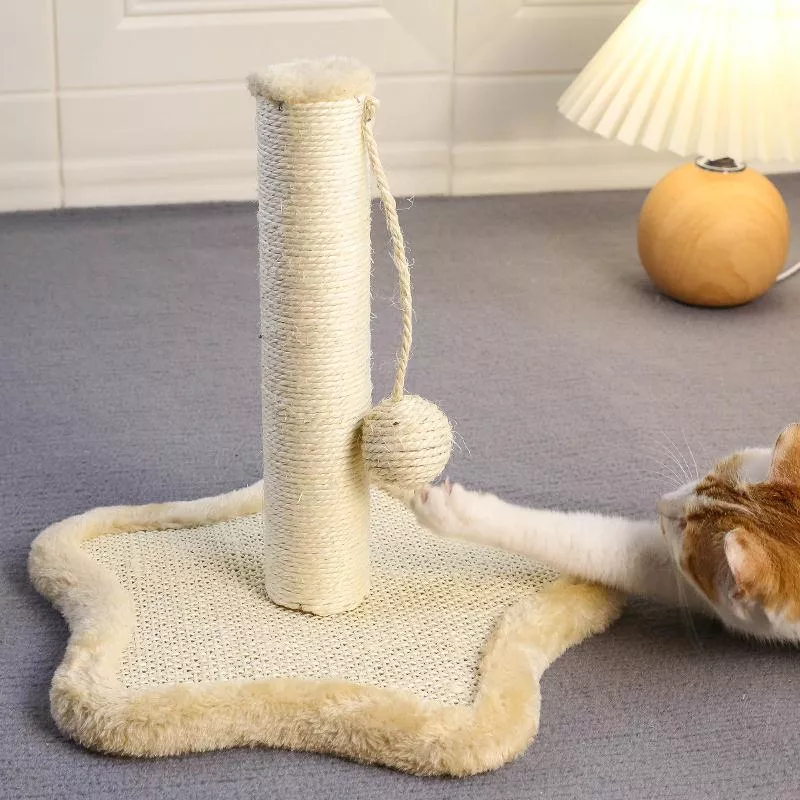 Compact Cat Scratching Post A small-footprint activity piece for a secure indoor shelter area. US $25.67 US $47.65 |
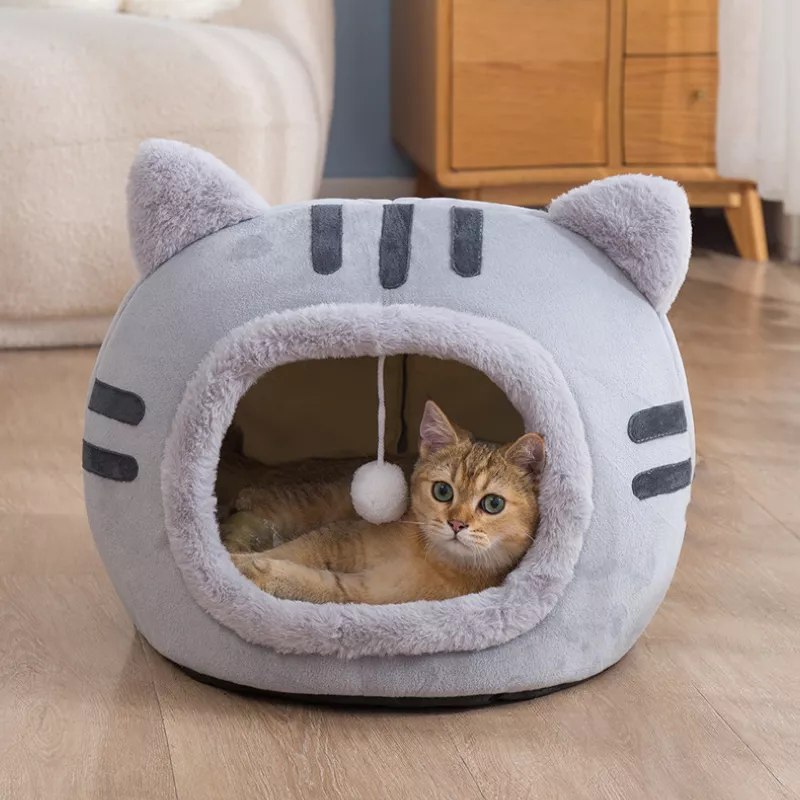 Cozy Cat Bed Cave A draft-protected retreat with an opening that remains easy to monitor. US $19.67 US $41.65 |
 Interactive Cat Tumbler Toy A compact enrichment option that keeps activity away from bedding. US $27.82 US $55.33 |

Looking for more premium pet comfort products?
RuleNo | Official Site – Exclusive Deals & Top Quality Products 🛒